Pull up the Premier League table and look at eighteenth position. That is not a clerical error on the screen. Manchester United are sitting in the relegation places as club football pauses for the two-week November international break.
This is the club's worst-ever start to a league season. Decades of dominance have collapsed into a weekly scramble for basic dignity. If you had told Old Trafford regulars three years ago that this was the promised land of modern competence, they would have laughed you out of the pub.
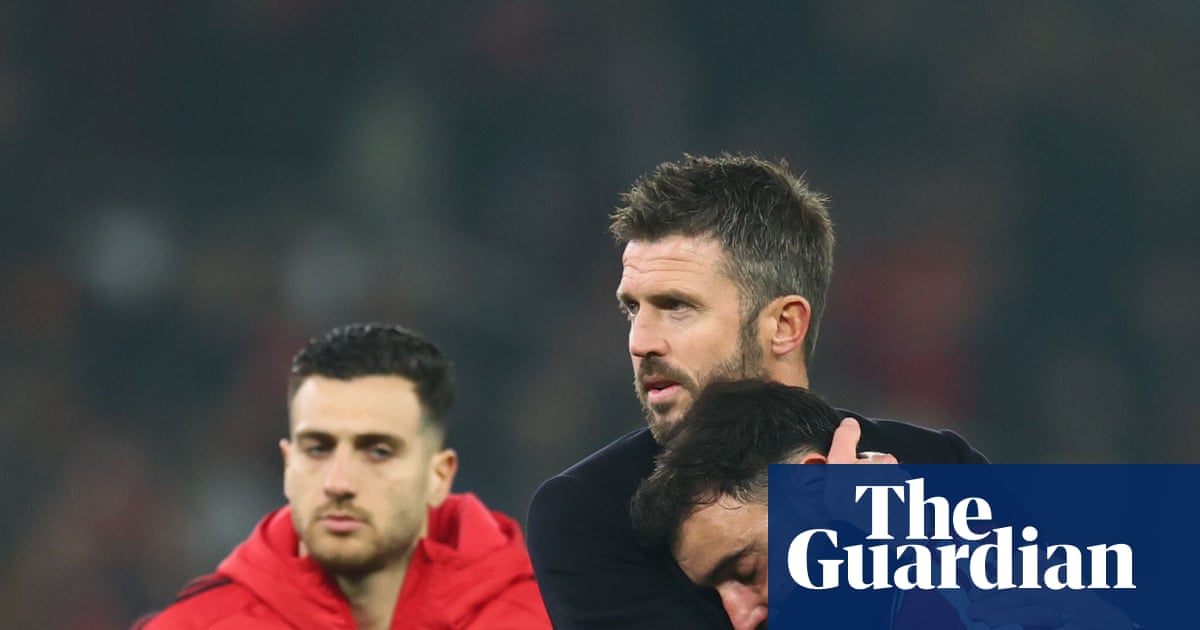
Nobody is laughing now. Sunday afternoon against Aston Villa felt less like an elite football match and more like a high-speed car crash without brakes. Carrick's side somehow limped away with a wild 4-4 draw, saved purely by Patrick Dorgu meeting a cross in the 96th minute.
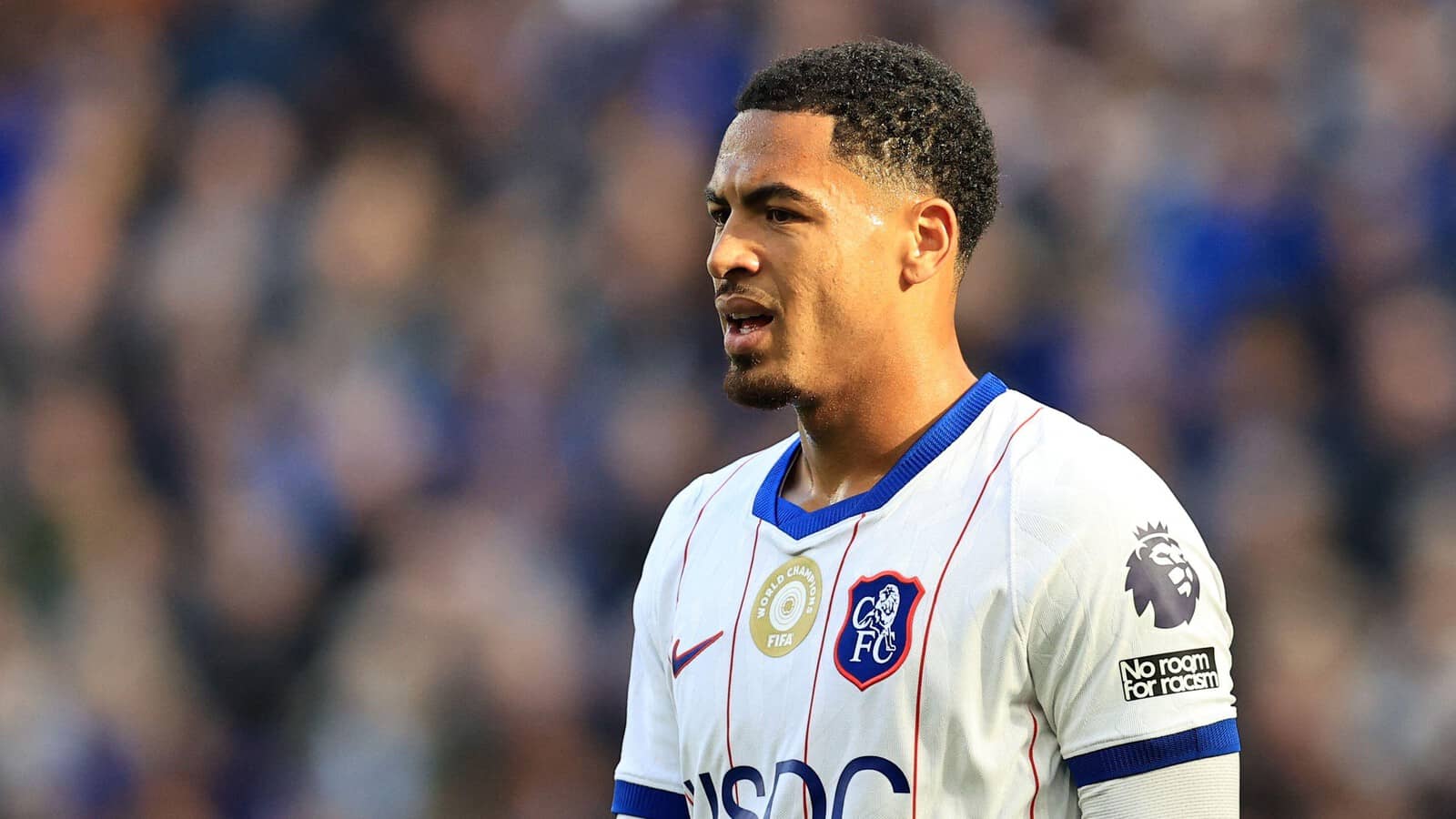
The Dane's late header sparked wild scenes in the Stretford End, but relief should not be confused with progress. United did not discover tactical discipline; they simply bought Carrick a forty-eight-hour stay of execution before the boardroom convened.
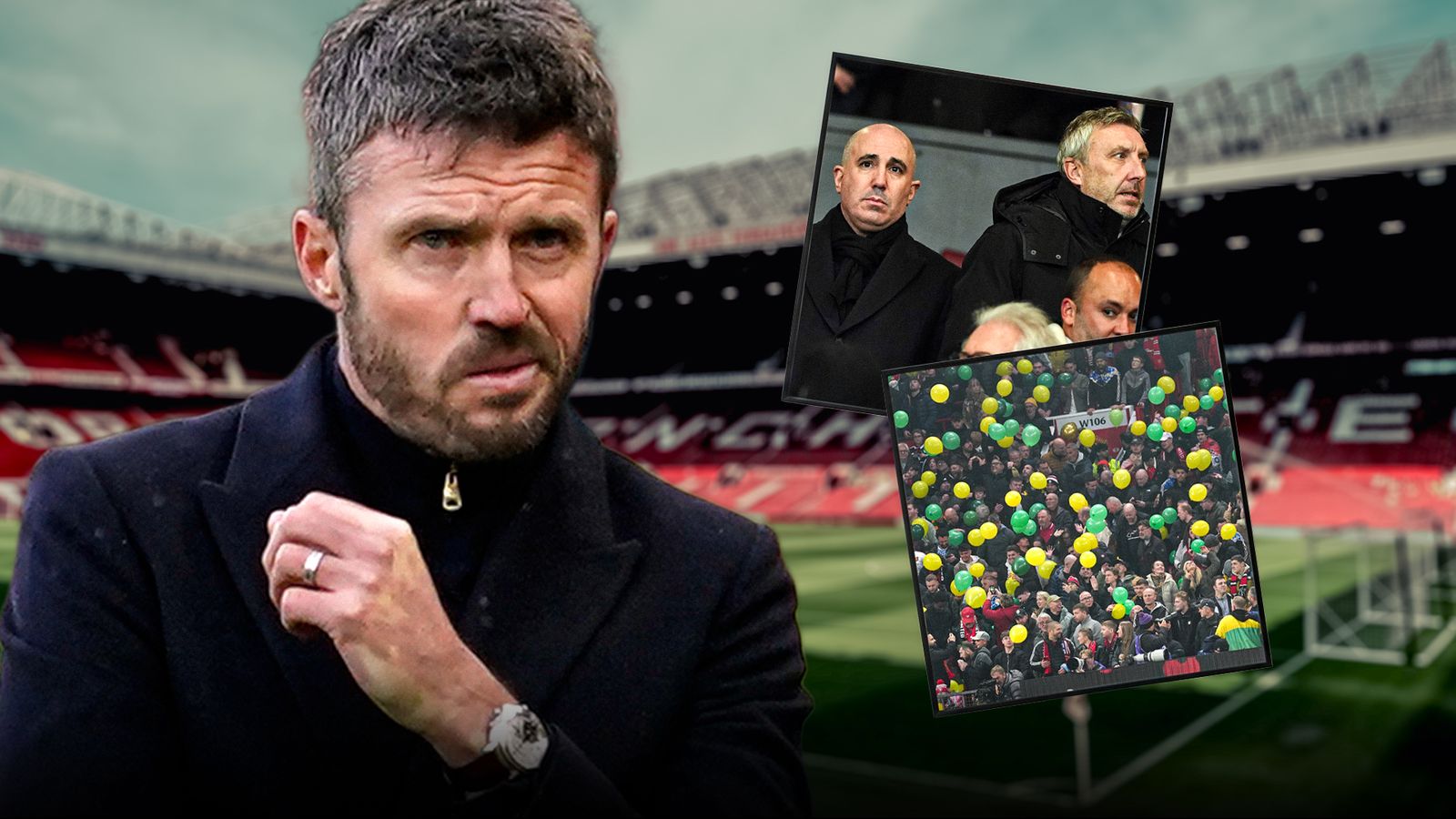
Old Trafford is boiling over, and the executive suite has retreated into crisis mode. As The Mirror reported, Carrick remains under immense pressure while supporters express their fury outside the turnstiles.
The Aaron Danks Lifeline and the Illusion of Quick Fixes
When a top-tier club sinks into the relegation zone, you expect decisive leadership. You expect directors to either deliver an uncompromising vote of confidence or make the hard call and dismiss the manager.
Instead, Jason Wilcox and the hierarchy are proposing a bizarre half-measure. According to reports from TEAMtalk, United want to recruit Bayern Munich assistant coach Aaron Danks to bolster Carrick's backroom staff if the 45-year-old manager keeps his job.
Think about the message that sends to the dressing room. You are telling the squad that Carrick is good enough to face the media, but incapable of designing a defensive shape by himself. It reduces a Premier League manager to a figurehead while scrambling for an external tactician to run weekday drills.
The hierarchy's counterargument is straightforward enough. Danks is 43 years old, highly regarded across Europe, and already familiar with Carrick after their time working together at Middlesbrough. In theory, pairing Carrick's stature with Danks' tactical detail solves the squad's functional deficiencies without paying a massive managerial severance package.
That theory ignores reality. Danks is currently a key cog inside Vincent Kompany's operation at Bayern Munich, competing for major silverware in Germany. Why would any respected coach leave the summit of European football to join a chaotic club sitting 18th in England?
Danks built his reputation through solid work alongside Kompany at Anderlecht before assisting Dean Smith and Steven Gerrard at Aston Villa. He knows English football inside out. Yet pitching him on an emergency rescue mission at Carrington sounds like asking a mechanic to tune an engine while the car rolls off a cliff.
Even if Wilcox pulls off the hire, backroom reshuffles rarely rescue failing managers. When players know an assistant was imported because the head coach was floundering, authority evaporates. Carrick would be walking out to the grass every morning knowing his bosses viewed his original staff as inadequate.
This is classic avoidance behavior from a club terrified of its own shadow. Rather than confronting their flawed managerial appointment, the executives want to rearrange the cones and pretend they found an answer.
Three Years of Sir Jim Ratcliffe and the Humility Problem
Michael Carrick's tactical confusion is only the surface problem. The deeper rot resides on the executive floor, where Sir Jim Ratcliffe's grand experiment is turning into an unmitigated disaster.
The 74-year-old billionaire is now approaching three years since acquiring his minority stake at Old Trafford. When the petrochemical tycoon first arrived, he promised ruthless efficiency, elite standards, and an end to corporate drift. Supporters celebrated in the streets, convinced that competent British stewardship would instantly wash away decades of American complacency.
Three years later, the promised transformation is nowhere to be found. The results have gotten worse, the football has turned chaotic, and supporter protests against Ratcliffe's ownership are growing louder every weekend.
The root cause of this stagnation was laid bare this week in an extraordinary assessment delivered to ESPN by an unnamed former Premier League executive. The insider explained exactly why Ratcliffe's leadership has hit an impenetrable wall.
"I don't think Jim listens to many people. In my experience, it takes about five years for owners to learn their lessons and take some responsibility. That's when humility starts to land. Up until year three or four, they are still putting the blame on what they inherited."
That quote should be framed and hung inside every executive office at Old Trafford. It cuts through the PR spin and diagnoses the exact condition paralyzing the club. Ratcliffe spent decades building an industrial empire by trusting his instincts and ignoring critics, but Premier League football does not obey corporate board rules.
For three years, the narrative from INEOS has been relentless finger-pointing. Every disappointing defeat was blamed on the previous management, bloated inherited wages, or poor institutional habits. That excuse carried weight in 2024, but it is completely bankrupt in late 2026.
This is Ratcliffe's football club now. Jason Wilcox is his director of football, Michael Carrick is his head coach, and this fractured squad represents his sporting vision. Blaming previous regimes while sitting eighteenth in the table is an admission of complete intellectual exhaustion.
As detailed in Mirror Football's reporting, the honeymoon period ended long ago. United fans are not protesting out of impatience; they are protesting because the new regime looks just as out of touch as the old one.
Carrick's Tactical Dead End
None of the boardroom dysfunction excuses Michael Carrick's failure on the pitch. While Ratcliffe must answer for the broader structure, Carrick is responsible for ninety minutes of football every weekend. On that metric, his tenure has been indefensible.
The 4-4 draw against Aston Villa was an absolute indictment of his setup. To ship four goals at home in a match you desperately need to win reveals an astonishing lack of defensive organization. Opponents carve through Carrick's midfield with trivial ease, exposing a backline that looks terrified under the simplest pressure.
United supporters appreciate Carrick's legendary playing career and his calm demeanor. But goodwill does not stop counterattacks or organize set pieces. His side displays no identifiable pressing structure, no coherent patterns of progression, and no emotional grit when momentum shifts against them.
Patrick Dorgu's header in stoppage time was an individual bailout, not a tactical triumph. A team relying on desperate 96th-minute headers against Villa at home is not building a sustainable project. They are buying lottery tickets and hoping the wind blows their way.
The upcoming Carrington discussions led by Wilcox must confront that brutal truth. Keeping Carrick in place simply to avoid the embarrassment of another sacking is pure cowardice. If the head coach cannot keep Manchester United out of the bottom three after months of preparation, more training drills will not save him.
The Two-Year Sentence Facing Old Trafford
If that former Premier League executive's timeline is accurate, United fans are only halfway through their ordeal. The transition from billionaire arrogance to genuine institutional humility takes five full years. That leaves two more seasons of unadulterated turbulence.
That means two more years of stubborn executives deflecting blame onto inherited problems. It means two more years of bizarre backroom hires designed to patch over deeper sporting flaws. Most alarming of all, it means two more seasons of watching historic competitors pull further out of reach.
The two-week international break gives Jason Wilcox and Sir Jim Ratcliffe an opportunity to make a serious decision. They can either confront their errors with genuine honesty, or they can continue trying to fix structural failure with cosmetic adjustments like chasing Aaron Danks.
According to details reported by The Mirror, the internal debate will dominate Carrington all week. Yet hiring an assistant coach from Germany will not solve an executive team that refuses to listen.
Manchester United are in a state of emergency because the people running the show believed they were too clever to fail. Until Sir Jim Ratcliffe accepts that wealth does not grant football wisdom, Old Trafford will remain trapped in this self-inflicted spiral. Carrick might survive the week, but the clock is ticking on everyone involved.