The Firefighter, the Muddy Boots, and the Nine-Match Slump
Radio phone-ins on Tuesday night were a study in human misery. Supporters called in after a European victory to complain about tactical shape, passing accuracy, and body language. It felt like watching a homeowner berate a firefighter for dragging muddy boots across the hall rug while pulling them from an inferno.
United had just crawled through nine games without a win across all competitions. For two months, this team looked less like an elite football operation and more like a broken washing machine full of spanners tumbling down an escalator. Yet somehow, taking three points off Roma produced an avalanche of bitter grievances.
Standards matter, but timing matters more. When a squad has forgotten how to celebrate a win, demanding total tactical perfection from a second-half scramble is perverse. You take the hose, put out the fire, and worry about cleaning the wallpaper on Wednesday morning.
To be completely fair to the skeptics, the opening forty-five minutes were genuine torture. United were cowardly in possession, sluggish in transition, and completely bereft of confidence. Falling behind 2-0 before the break was an act of mercy, because Roma could have easily scored four without breaking a sweat.
The midfield vanished into thin air every time the visitors shifted gears. Players pointed fingers, hung their heads, and waited for someone else to make a challenge. It was the same hollow display that turned the opening months of this campaign into an absolute chore.
If the match had ended at the interval, the post-mortem would have been swift and merciless. Carrick would have faced questions about his competence before he even reached the tunnel. Instead, forty-five chaotic minutes flipped the narrative on its head and plunged the club into a different brand of chaos.
Rooney’s Halftime Rage and the Directors' Box Horror
The television cameras inside the studio told the story before a ball was kicked in the second half. Amazon Prime had assembled a Carrington alumni panel of Wayne Rooney, Nicky Butt, and Ashley Young to dissect the wreckage. At the break, the mood among the three former champions hovered between furious disgust and sheer embarrassment.
They tore into their old club for a complete lack of backbone. Rooney looked ready to put his boots back on just to kick someone in midfield. The sheer cowardice of the first half had offended everyone who remembered what Old Trafford used to demand on European nights.
Then the second half began, and United produced forty-five minutes of pure adrenaline. Tackles started landing, the tempo spiked, and the home crowd woke up to drag the players over the line. By the time the final whistle sounded, Rooney was singing an entirely different song.
“The second half was amazing, they were front-footed and they deserved to win the game in the end. The first half was terrible, but we saw the passion and fight we wanted in the second half. The crowd got right behind the team and you felt like they could go on to win the game.”
Rooney was spot on about the emotional shift inside the stadium. The crowd did not care about expected goals or positional discipline. They saw players running through pain barriers and responded with the kind of wall of sound that has unsettled visiting sides for decades.
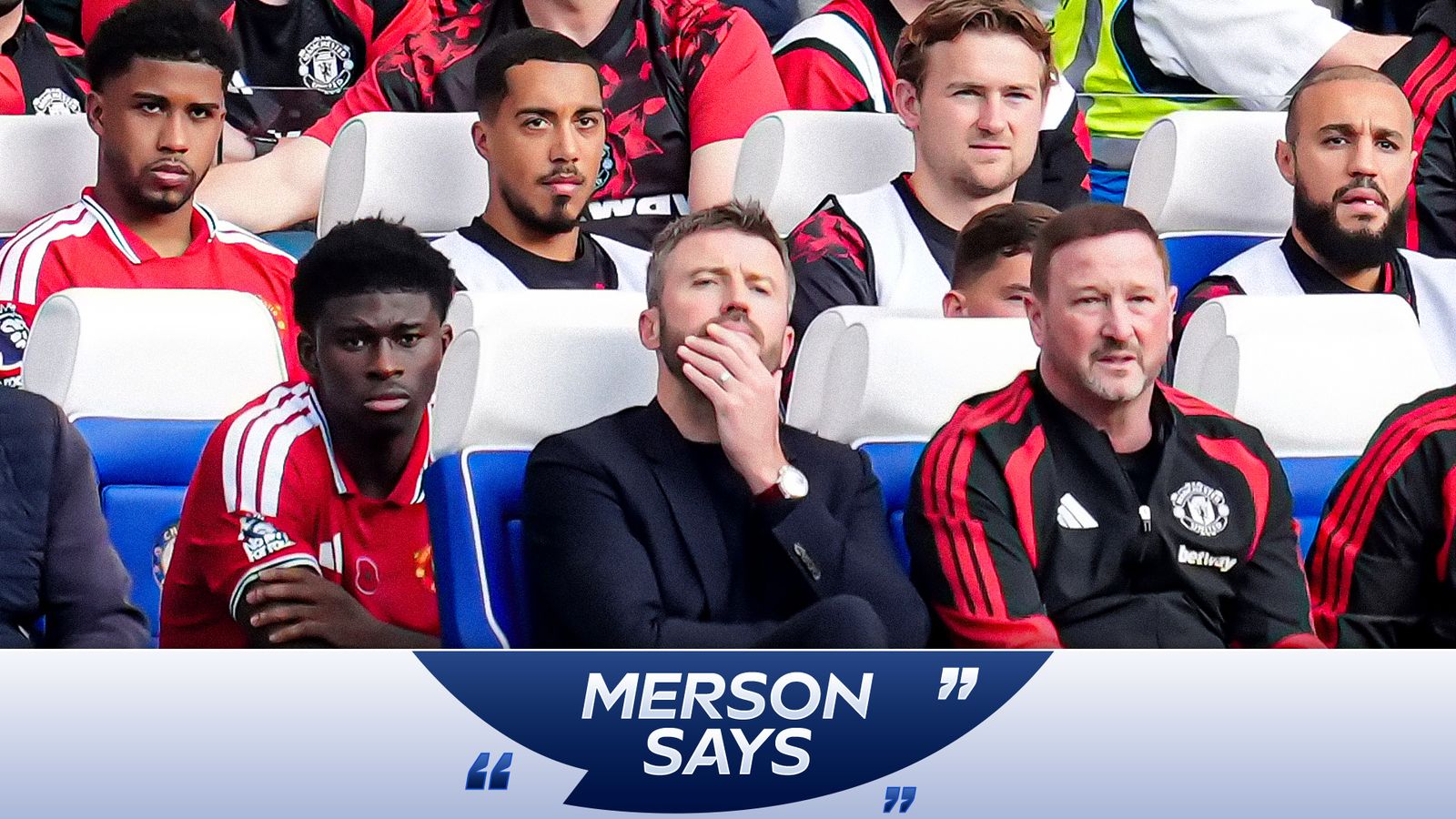
Up in the directors' box, however, the response was decidedly frostier. The television cameras quickly panned up to Jason Wilcox and Omar Berrada as the final whistle blew. Both executives offered limp, polite applause that looked completely drained of joy.
They had the frozen expressions of dinner party hosts watching their pet cat proudly drop a dead mouse onto the cheeseboard. A win was nice for morale, sure, but it was disastrous for the calendar. Carrick was supposed to make their looming managerial decision easy.
Instead of rolling over, his players gave him an almighty lifeline in front of millions of viewers. Wilcox and Berrada suddenly looked like men whose neat spreadsheets had been deleted by a stray keystroke. An inconvenient victory had ruined their tidy timeline.
Roma’s Habitual Choke and Matheus Cunha’s Wild Celebration
Before anyone plans a parade down Deansgate, we need a healthy dose of reality. Manchester United did not suddenly morph into a European juggernaut during a fifteen-minute team talk. A massive portion of this miraculous turnaround belonged entirely to Roma's staggering inability to hold a lead.
The Italian outfit arrived in England knack-ravaged by injuries and brittle under pressure. They have built an unenviable reputation across the continent for surrendering two-goal advantages at the first sign of turbulence. Once Old Trafford started roaring, Roma folded like a cheap deckchair in a gale.
They stopped pressing, dropped their defensive line into their own box, and invited relentless pressure. As reader Nigel Sanders noted in The Guardian's Football Daily letters, the visitors simply failed to show up for the second period. Calling United's comeback a tactical triumph is generous to the point of absurdity.
The referee also lent a significant helping hand along the way. The penalty that dragged United back on level terms was remarkably soft, the sort of decision that leaves visiting managers boiling with rage. Against a healthier, more composed opponent, that whistle never blows.
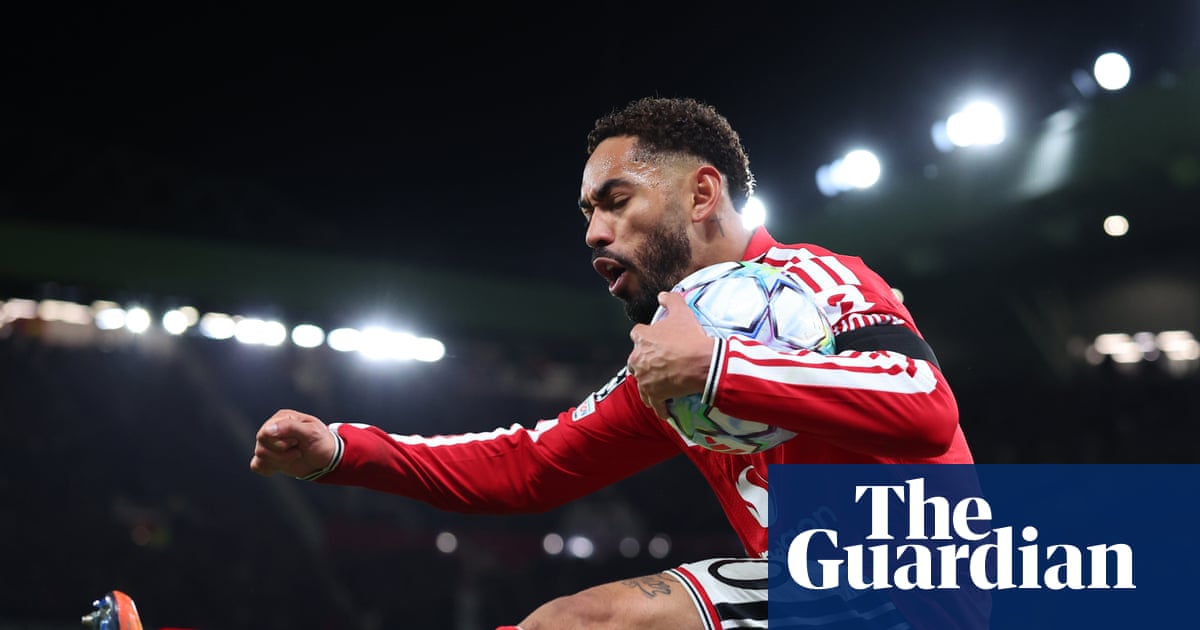
Then came the winner, followed immediately by scenes of utter delirium. Matheus Cunha scrambled the ball home and launched into a celebration so frantic you would have thought he had just won the World Cup with an overhead kick. He sprinted toward the corner flag, screaming into the cameras with pure, unhinged ferocity.
From a strictly neutral perspective, the reaction was borderline comical. Celebrating an ugly group-stage escape like an iconic European trophy feels ridiculous for a club sitting on months of poor form. Yet for the supporters packed into the Stretford End, Cunha's eruption was exactly what they needed to see.
Fans were exhausted by watching sullen players shrug their shoulders after conceding soft goals. Cunha cared, even if his celebration was over the top. That raw passion gave everyone in the ground something tangible to rally behind.
The Aston Villa Trap and the P45 Dilemma
That brings us directly to Michael Carrick, the man standing in the eye of this storm. Before Tuesday night, Carrick was widely viewed as a dead man walking toward the gallows. Nine matches without a victory had evaporated his credit in the bank and left him clinging to his post by his fingernails.
This European win has not earned him a permanent pardon from the boardroom, not by a long shot. It has simply bought him a stay of execution and a slightly scenic detour on his march toward the scaffold. Sacking a coach forty-eight hours after a raucous European comeback is bad public relations, even for an ownership group accustomed to backlash.
The front office had clearly boxed off the upcoming November international break as the ideal window to issue his P45. It is the textbook moment in modern football to change leadership without disrupting weekend fixtures. Carrick's chaotic victory threw a massive wrench into those well-laid operational plans.
Now, everything hinges on Sunday's home clash with Aston Villa. Villa will not travel to Old Trafford with the fragile mentality or injury list that crippled Roma. They are ruthless on the counter-attack, disciplined without the ball, and more than capable of punishing the sloppy defensive errors United showed in Tuesday's first half.
Here is the exact dilemma confronting Wilcox and Berrada as Sunday approaches:
- A heavy defeat allows the board to proceed with their scheduled international break dismissal without facing major fan fury.
- Another chaotic comeback victory makes Carrick nearly impossible to fire on Monday morning without sparking mutiny in the stands.
- A drab, lifeless draw leaves the entire club stuck in the exact same painful limbo that has poisoned the season so far.
Carrick has backed his bosses into a corner they desperately wanted to avoid. The supporters still revere him as a decorated former player, and they want nothing more than to see him figure this out. Every dramatic win makes pulling the trigger exponentially harder for an executive team that is already deeply unpopular.
If Carrick manages to take down Villa on Sunday, that pre-drafted termination notice will have to stay locked away in a drawer. Firing a manager on the back of consecutive high-stakes victories would look completely out of touch with the terraces. The board would spend the two-week international break taking fire from every pundit in the country.
Football has a wicked habit of mocking boardroom certainty. Executives want clean metrics, steady progress charts, and seamless corporate handovers. Instead, United gave them a wild Brazilian screaming in the corner, Wayne Rooney beaming on television, and a head coach who refuses to walk quietly into the night.
Carrick is still walking a precarious tightrope with no safety net beneath his feet. One disastrous half against Villa could bring the whole house tumbling down again. But for the next few days, the boardroom executioners will have to put away the axe, wipe the mud off their shoes, and wait.
Read Next
- Carrick bought himself a week, but Man United are still on the brink
- Michael Carrick faces the sack at Chelsea as Man United eye Unai Emery
- United beat Roma, but Carrick's tactical mess is far from fixed
- Man United are surviving on goal difference and Carrick knows it
- 🏆 Europa League Final 2026 — Full Coverage Hub