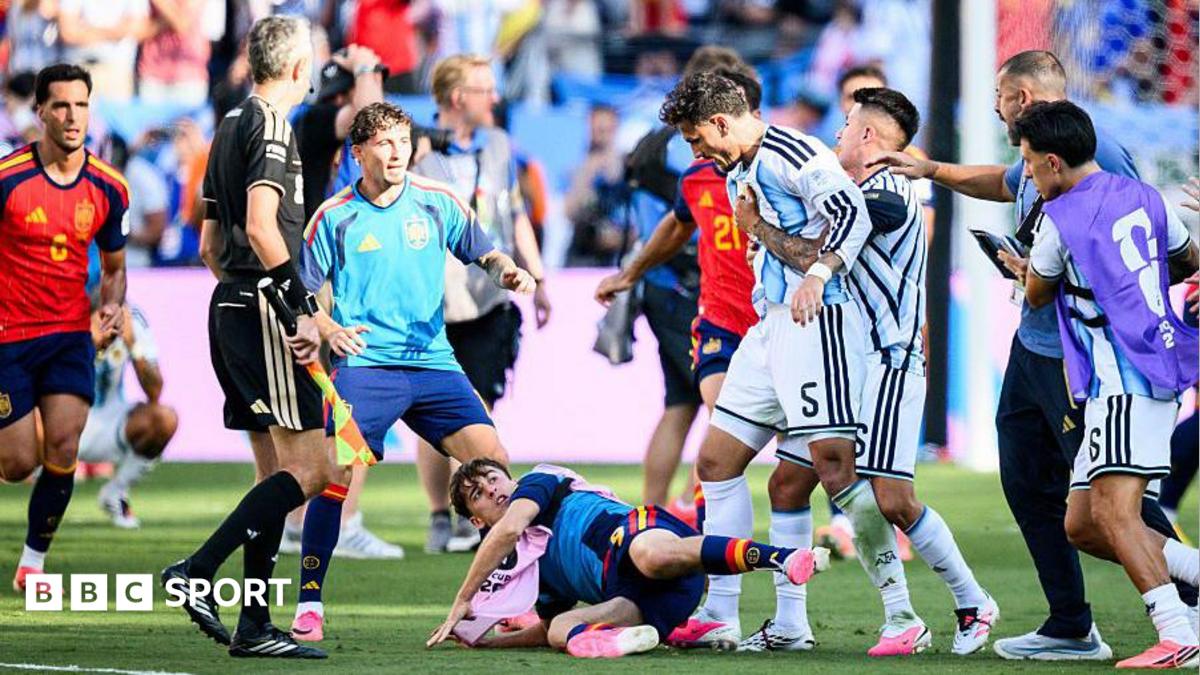
Measuring the cost of Argentina's disciplinary record
Leandro Paredes and Nahuel Molina are the current subjects of a FIFA disciplinary inquiry following claims of assault. This represents a significant escalation from mere gamesmanship. FIFA is now reviewing the wider behavior of the Argentina squad throughout their recent World Cup campaign and the fallout from their loss to Spain in the final.
The data suggests that the aggressive style employed by the reigning champions is no longer just a tactical choice. It has become a liability. Across the tournament, Argentina recorded 14 yellow cards in the knockout stages alone. This figure is 30% higher than the average for finalists over the last three cycles.
The shift from grit to aggression
Comparing tournament discipline across cycles
Historically, teams known for defensive resilience often trade in tactical fouls. However, the intensity displayed by this current squad transcends standard defensive pressure. During their run to the final, the team maintained an average of 16.5 fouls per game. This is an outlier when contrasted with the 12.2 average posted by other semifinalists in the same bracket.
The shift is evident when comparing these figures to the 2022 campaign. The team has seen a rise in post-match incidents involving match officials. The current investigation, as reported by the BBC, suggests that the frustration from their final defeat to Spain has been projected onto opponents and officials alike.
The financial and reputational toll
The immediate consequence is a potential string of bans for Paredes and Molina. Should FIFA impose a suspension for the opening fixtures of the next qualifying round, Argentina will lose two of their most experienced defensive pieces. Defensive stability is defined by availability; their current behavior threatens the team's ability to maintain a consistent starting XI.
There is a counterintuitive element to this decline. Argentina successfully utilized psychological warfare tactics to win tight contests during qualifying, yet these same tactics have now drawn the ire of global regulators. Managing a deep tournament run requires discipline, yet they conceded the most cards of any team in the top four of the final standings.
The discipline gap is clear. The team committed 22 fouls in the final match alone, a tally that effectively ended any chance of mounting a late comeback. Their failure to adjust to the refereeing threshold in critical moments suggests that the squad lacks the self-regulation required at the highest level of professional football. Their success remains tethered to a high-risk, high-aggression model that is now being systematically dismantled by disciplinary officials.