
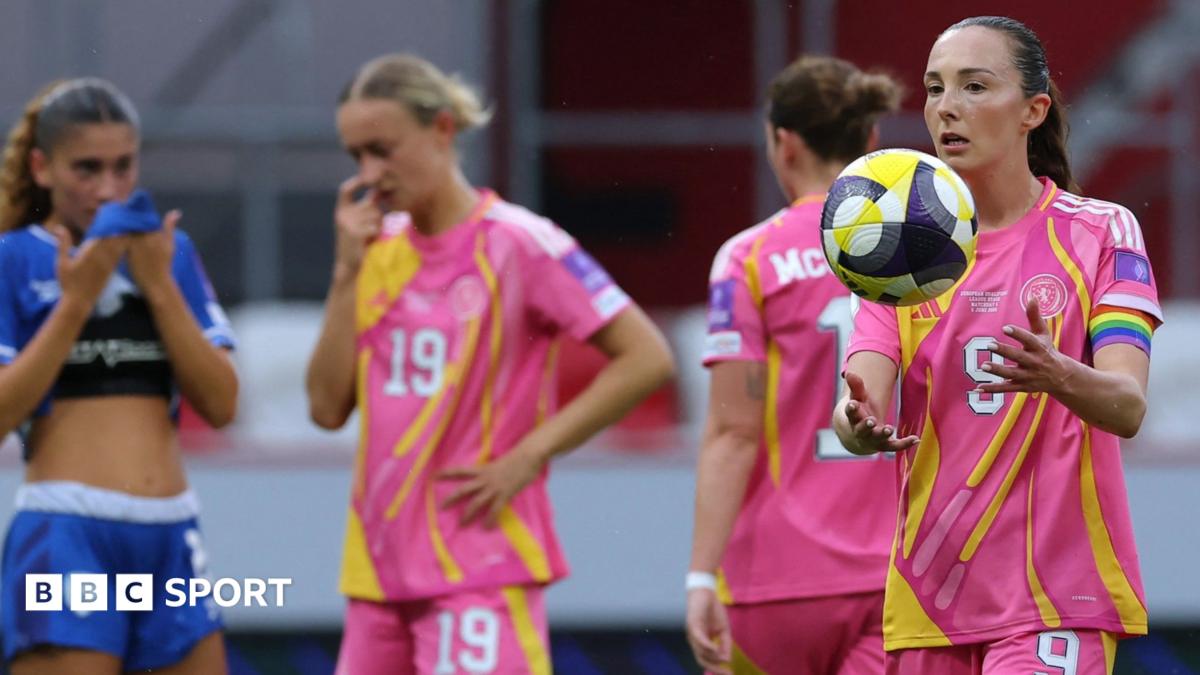
The scoring streak that defines a campaign
Scotland’s campaign for the 2026 World Cup took a decisive turn this week. Caroline Weir dismantled the Israeli defense, netting four goals in a clinical display that secured Scotland the top spot in their qualifying group. The technical precision displayed in those finishing touches suggests a player peaking exactly when the tournament window opens.
While Scotland celebrates the result, the physical toll of this qualification cycle remains a concern for medical staff. A high-volume striker playing heavy minutes creates immediate fatigue risks. The team’s reliance on Weir for both creative distribution and final-third execution puts immense strain on her joints and soft tissues.
Tactical reliance and fitness reality
The coaching staff’s decision to keep Weir on the pitch for full shifts during compressed qualifying windows is a high-stakes gamble. History shows that overuse before major tournaments often leads to sub-optimal performances once the main event begins. We saw similar burnout patterns with the 2023 cycle, where heavy legs became the primary culprit for reduced output in the group stages.
As the BBC reported, the team is currently operating on a system built entirely around her availability. This lack of strategic redundancy is a structural flaw. If a minor knock or strain catches up to her during the tournament, the entire tactical framework could collapse overnight.
The math behind the momentum
Weir’s current output is statistically unsustainable over a condensed summer schedule. She provided the critical edge in a group that, while manageable, required absolute focus. Managing her training load over the next 48 hours is the difference between a golden boot campaign and an early exit.
FIFA regulations allow for limited squad rotation once the tournament kicks off on June 11. However, the drop-off in output from the substitutes is not masked by bench depth. The team maintains a 4 goal per game average when she is full-throttle, a number that inevitably dips once fatigue forces a pivot to defensive containment.
The hidden cost of qualification
Relying on a single superstar to drag a side across the line is an old trope in football, but it remains a dangerous one. Scotland has mastered the art of the qualification sprint, yet tournament fitness demands a slower burn. If the medical staff doesn't curb her minutes during the opening fixtures against weaker opponents, they risk a total breakdown.
The competition is watching. Opponents have the film from this qualifying series and know exactly where the pressure needs to be applied. A physical engagement strategy against Weir in the first 15 minutes of an opening match is the low-hanging fruit for any savvy coach. Protecting her is not just about medical recovery; it is about keeping the opposition guessing.
As we approach the opening whistle, all eyes remain on the training pitch during light recovery sessions. Any indication of a trainer working on her hamstrings or calves during pre-match warmups will be a massive red flag. Scotland has the talent to go far, but they are walking a razor-thin line between brilliance and total exhaustion.
Read Next
- England fans are losing their minds over Tuchel's beat-dropping past
- Bukayo Saka injury concerns shadow England's World Cup opener
- Top 10: FIFA World Cup 2026 Preliminaries and High-Stakes Storylines
- Tuchel’s Saka admission is the start of an England headache
- 🏆 World Cup 2026 — Full Coverage Hub
- 🏴 Scotland World Cup 2026 — Tartan Army Hub
- 🇧🇷 WC 2026 Group C — Brazil, Morocco, Scotland, Haiti
- 🏆 Europa League Final 2026 — Full Coverage Hub


