The transition from Maeda to Hogh
Celtic have sanctioned a departure that leaves me questioning the front office's long-term vision. Daizen Maeda moving to Ipswich Town for 10 million pounds is being painted as a pragmatic balancing of the books. However, looking at the tactical profile, extracting him from a high-pressing system feels like removing the engine from a sports car to save on petrol.
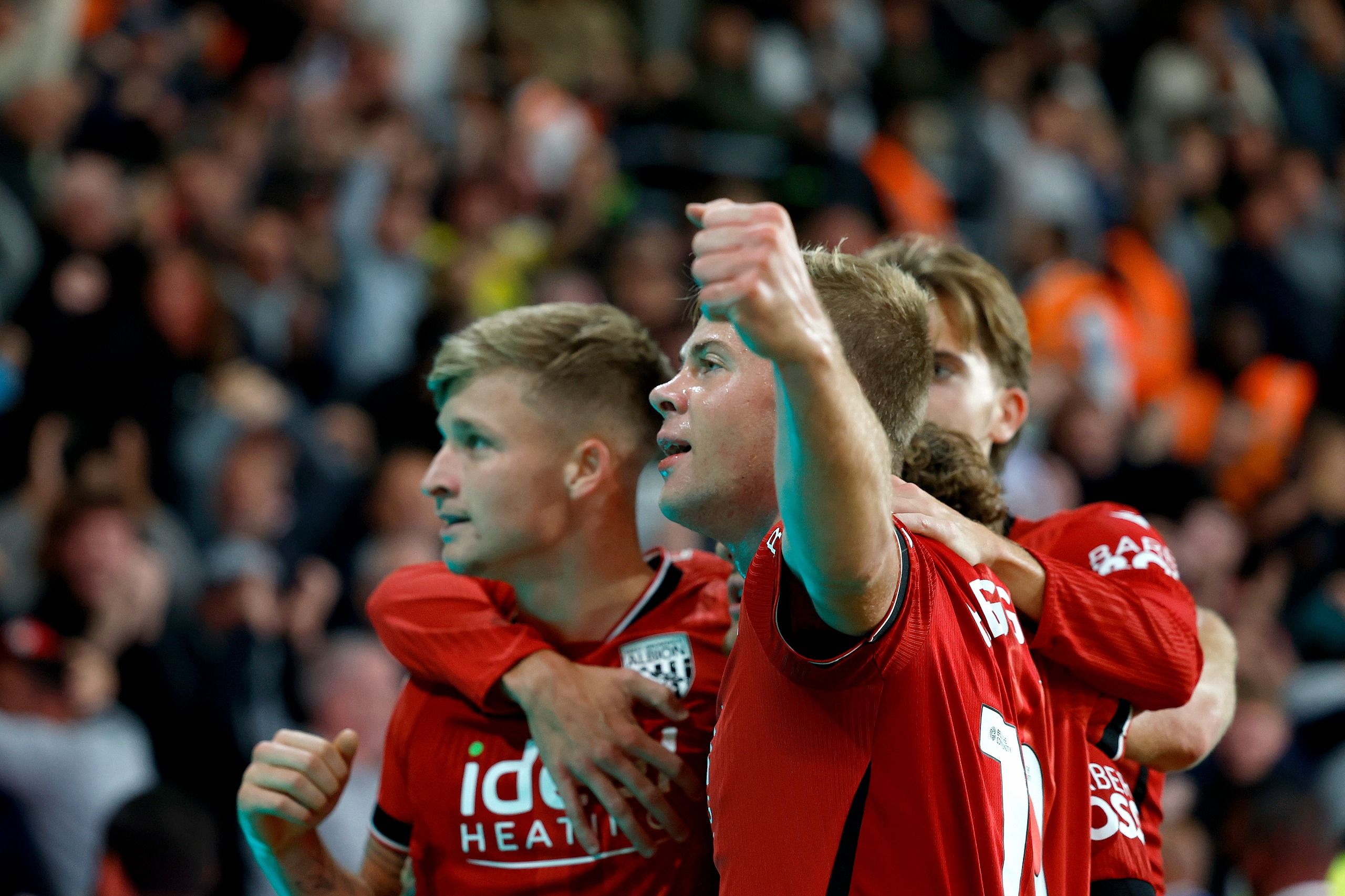
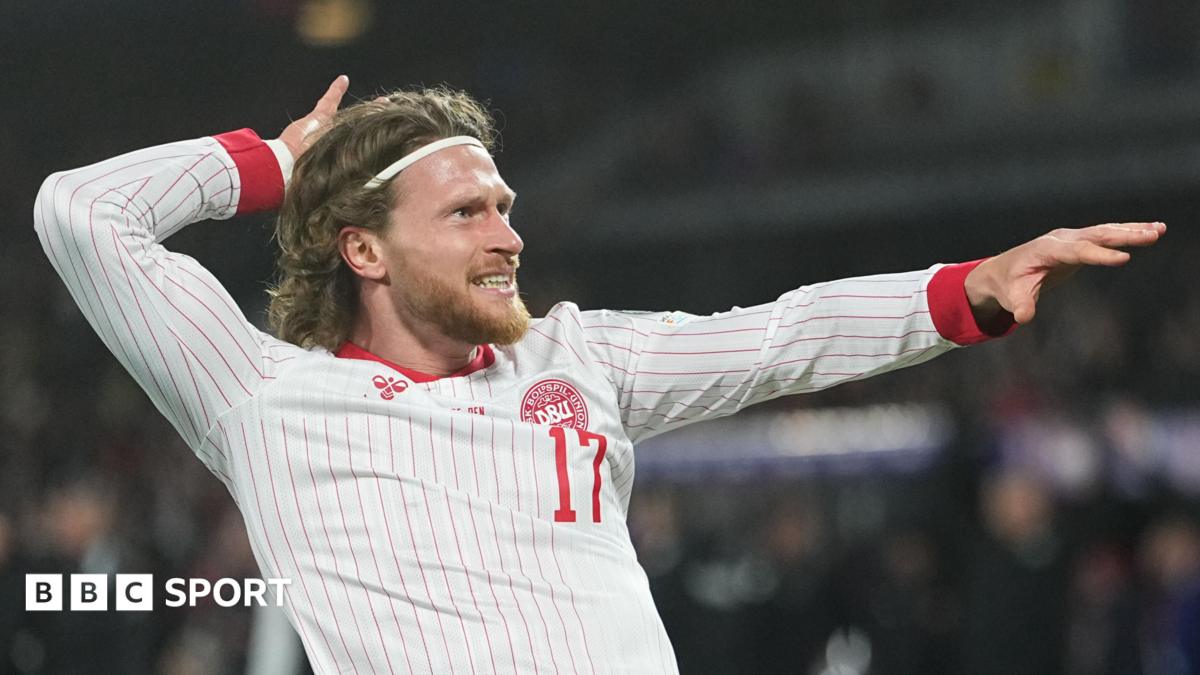
We are watching a clear shift in squad composition. As reported by Sky Sports, Maeda is headed south, but the immediate replacement plan relies heavily on Kasper Hogh. Having passed his medical, Hogh is expected to spearhead the attack. The data suggests a profile mismatch; while Maeda offered elite off-the-ball movement and recovery runs that kept opposing backlines pinned back, Hogh functions as a traditional target man.
The statistical gap in the final third
Martin O'Neill is betting that Hogh's arrival will provide the aerial presence Celtic lacked in tight domestic fixtures. Yet, the numbers from Bodo/Glimt's tactical output reveal a player who thrives on service, not creation. If Celtic's wide players don't adapt to provide higher cross volumes, the attacking output will stagnate.
We also need to address the elephant in the room: the defensive line. Recent developments suggest that Rangers are pushing for a deal for Makhanya to bolster their own ranks, complicating the SPFL power dynamic. If Celtic loses their intensity in the press, they become vulnerable to the transition game that global rules changes regarding VAR will only amplify this campaign.
Why the gamble fails under pressure
There is a glaring lack of depth in the wide areas now that Maeda is gone. Expecting Hogh to replicate that defensive contribution is a fallacy. Tactical analysts track 'press intensity' above all else at Celtic Park, and dropping from a high-motor winger to a static striker will force the midfield to cover an extra 15 to 20 percent of the pitch during defensive transitions.
My prediction is that this move results in a temporary drop-off in point accumulation over the first five games of the league campaign. The lack of chemistry between the new striker and the existing creative core will lead to frustration, specifically in matches against low-block opponents. They aren't just swapping players; they are fundamentally altering their tactical identity without the underlying metrics to justify the change.
The management thinks they have solved a finishing problem. In reality, they have created a transition problem that will be exploited by organized sides by the 60th minute of every major contest. This deal signals a pivot away from modern high-intensity football toward a profile that went out of fashion three years ago.
Read Next
- Manchester United's summer chaos shows how far behind the elite they remain
- Old Firm madness hits fever pitch as Celtic and Rangers near major moves
- Celtic's transfer hunt is dragging into August
- Kjell Scherpen is exactly the gamble Ipswich needs in goal
- ⚽ Scottish Premiership 2025-26 — Celtic vs Rangers Hub