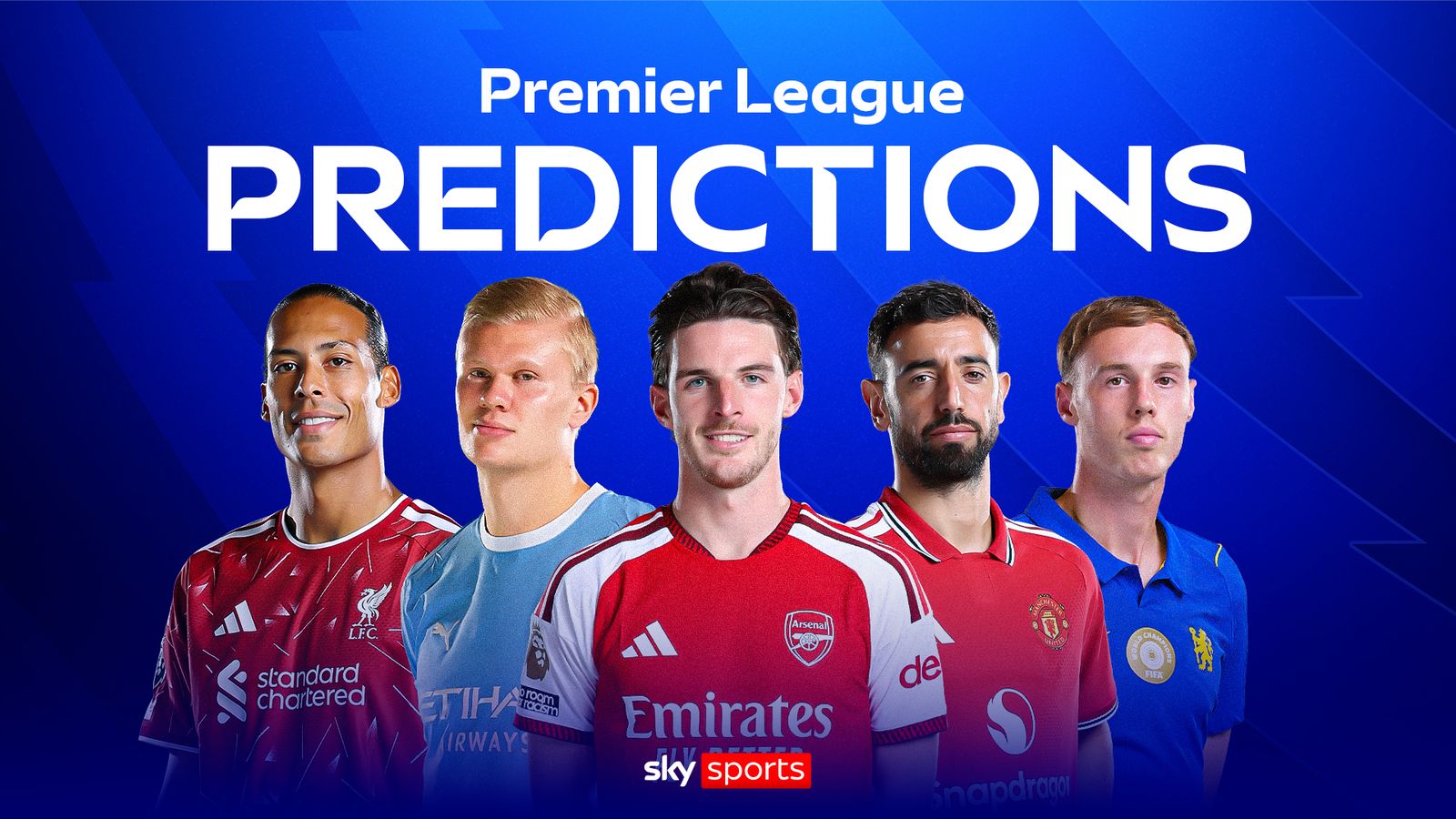
The blank shirt disaster is here
You have to laugh at the sheer shortsightedness of it all. We have been staring down the barrel of the Premier League's gambling sponsorship ban for ages, yet somehow, here we are in late July with three clubs looking at the 2026/27 season ticker and realizing they have absolute blanks on the front of their kits.
Chelsea, Sunderland, and Nottingham Forest didn't exactly have the element of surprise here. Every boardroom in the country knew the plug was getting pulled on shirt-front betting logos, yet they seemingly gambled on finding a new white knight to pay them 8-figure sums in the eleventh hour.
It is the football equivalent of showing up to a final exam without a pencil because you were too busy arguing with the proctor about the dress code. You had the syllabus for years, people. As reported by the Mirror, this logistical failure is going to cost these clubs serious revenue that likely won't be replaced before the opening whistle blows in August.
Missing the revenue boat
Let's be clear about what this means for a mid-table side or a hopeful promotion squad. We are talking about millions in lost commercial income. For a club like Nottingham Forest, that is the difference between snagging a solid rotation player on deadline day and settling for a panic loan move in January.
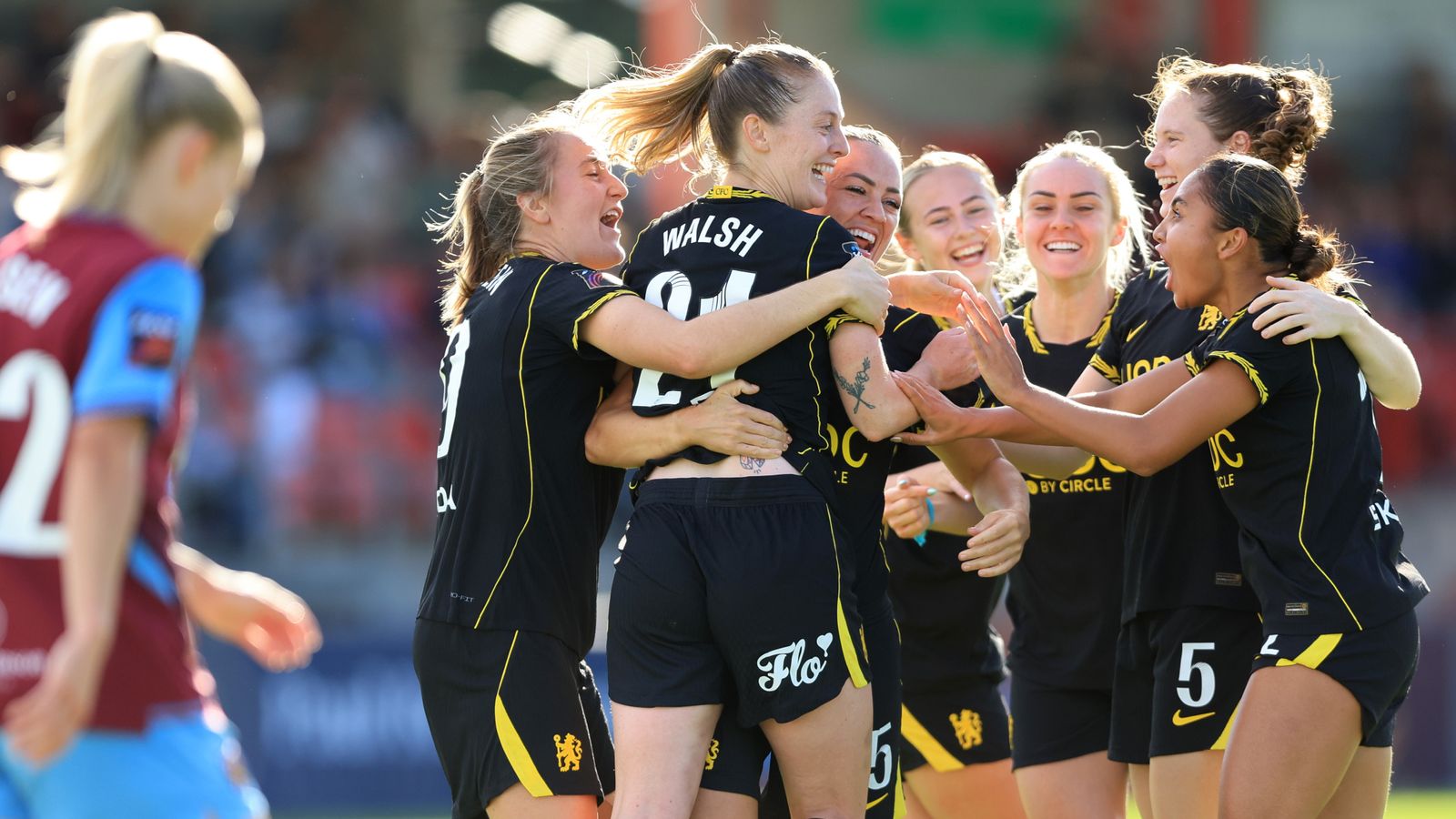
Chelsea is the real head-scratcher here. They have enough global brand pull to slap a tech company or an airline on their kit, yet they still look like a Sunday League team that forgot to order the jerseys before the match. It makes the club look like an intern is running the sponsorship department while the adults are in the basement arguing about transfer fees for unproven wingers.
The optics are abysmal. When the players walk out onto the pitch for that first matchday, they are going to look like they are playing in the preseason friendly section of the shop. Fans pay top dollar for these kits, and having a gaping void on the chest because the suits couldn't close a deal is a slap in the face to anyone who bought a replica shirt thinking it would feature a sponsor badge.
The cost of bad planning
It is not just about the money, though that is the loudest part of the mess. This exposes a total lack of agility from commercial teams who got comfortable sitting on the low-hanging fruit of gambling cash.
Those betting companies were easy money. They paid fast, and they didn't ask many questions as long as their neon logo was printed on the chest. Now, those clubs are forced to pivot to industries that actually want to see a marketing strategy. It turns out that convincing a blue-chip multinational to sign for three years requires more than just a deck and a prayer.
The deadline passed, the gambling ban is in full effect, and these clubs are left holding the bag. It is a classic corporate own goal of the highest order. While the players are supposed to be focused on conditioning and tactical drills, their front office is busy trying to find a replacement sponsor to fill the void before their brand looks like a generic kit you would see in a low-budget football video game.
The bottom line
We see these clubs talk a big game about maximizing every ounce of commercial value to keep up with the big dogs. But when it comes time to do the basic legwork of sponsorship procurement, they ended up with nothing.
I have seen better project management in a group chat planning a weekend trip to Vegas. If they don't find a partner soon, expect some creative, albeit ugly, attempts to slap a temporary logo on the kit by the end of the first month. It is going to be a long season for the marketing departments in London, the North East, and beyond.