The Tyranny of Small-Minded Owners
Modern football chairmen spend millions on branding consultants to teach them about fan engagement. They hire slick agencies from London to design SVG logos, craft cringe corporate slogans, and preach about fan sentiment metrics. Meanwhile, the easiest trick in the book is sitting right under their noses: stop treating your club icons like trespassers.
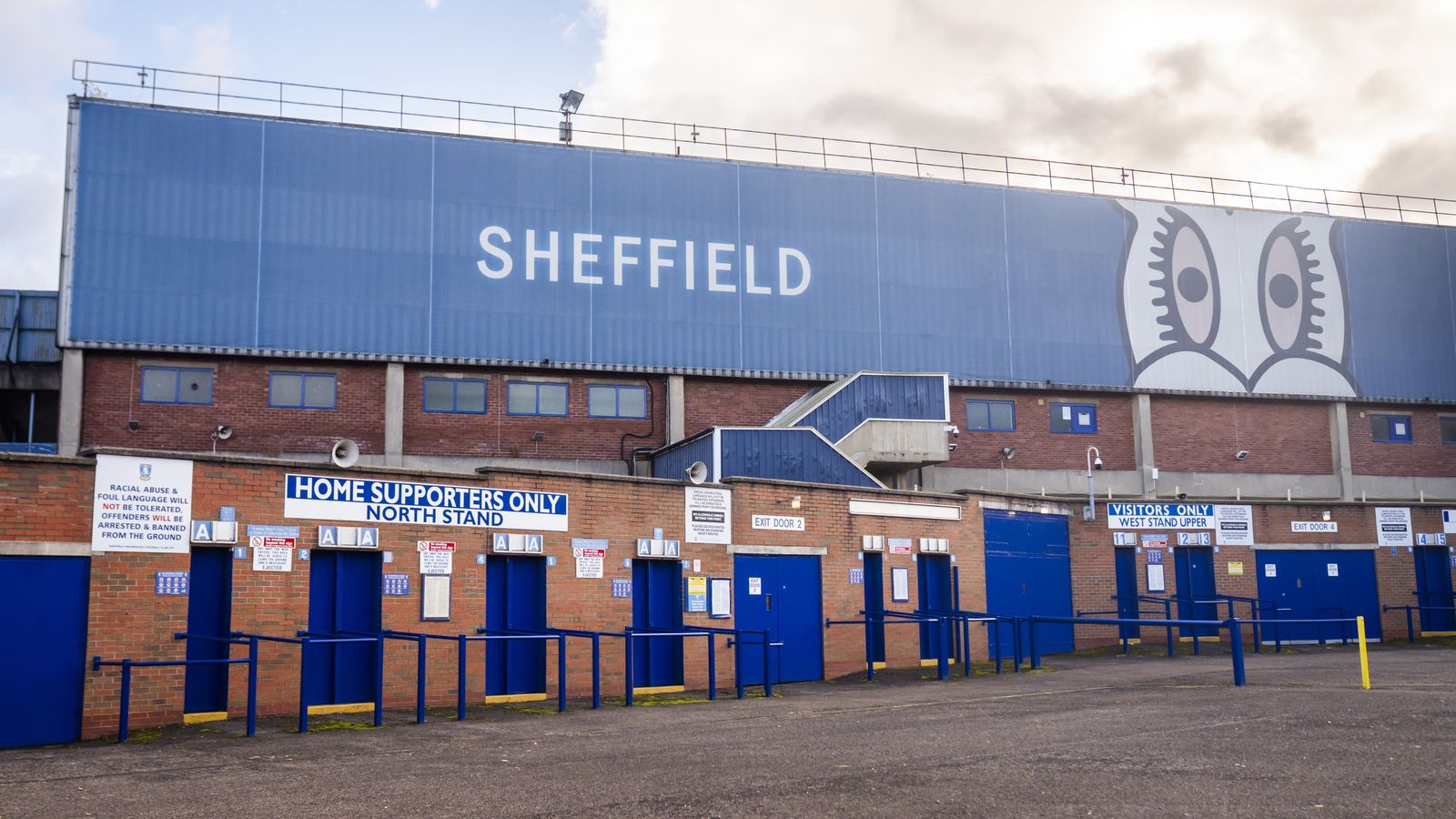
For years, walking around Hillsborough felt like visiting a stadium that had disowned its own history. Under the disastrous decade of Dejphon Chansiri, Sheffield Wednesday became a masterclass in how to alienate an entire city. Ticket prices soared to £59 for second-tier matches, administration loomed like a dark cloud in October 2025, and the legends who built the club were treated like unwanted ghosts.
David Hirst was one of those ghosts. We are talking about a forward who scored 128 goals in 358 appearances for Wednesday after signing from Barnsley in 1986 for just £250,000. He was a striker who struck footballs with enough violence to send structural shockwaves through the crossbars of the Premier League. Yet under the previous regime, he was effectively frozen out of the ground he once owned.
Hearing him speak at the opening of his new stadium lounge brought the whole decade-long farce into sharp focus.
"I wasn't welcome here but it's great to be back"
That single sentence says everything about how broken football governance had become under Chansiri. When a club icon who gave his knees to the turf cannot get a warm welcome in his own home ground, the institution has lost its moral compass.
When Bad Owners Fight Their Own History
This pathologically petty behavior is not unique to South Yorkshire. Football history is littered with thin-skinned custodians who treated club legends like political rivals. Look at Newcastle United under Mike Ashley, where Alan Shearer was effectively persona non grata and his name was stripped from the stadium bar. Look at Vincent Tan at Cardiff City, who decided the club's century-old blue identity was an optional suggestion and swapped it for red. Look at the Venky's circus at Blackburn Rovers.
Consider the sheer stupidity of Chansiri ignoring David Hirst. Back in the summer of 1992, Sir Alex Ferguson was so obsessed with bringing Hirst to Manchester United that he submitted six separate transfer bids. Wednesday held firm, Ferguson eventually bought Eric Cantona from Leeds for £1.2 million instead, and the rest is English football history. Hirst was genuine world-class elite talent before Steve Bould snapped his ankle at Highbury in September 1992.
To have a player of that caliber banished from Hillsborough by a chairman whose primary contribution to football was mismanaging cash flow is infuriating. It was classic football hubris. Owners come in with deep pockets and thin skin, convincing themselves that the club started the day their wire transfer cleared.
Chansiri spent years fighting with supporters on official club statements, charging ludicrous prices for polyester shirts, and managing to turn S6 into a fortress of misery. Alienating Hirst was not an isolated mistake; it was the logical conclusion of an ownership style that viewed supporters as customers and history as an inconvenience.
Pints, Pies, and Proper Hillsborough Heritage
Enter David Storch and Arise Capital Partners. When the American consortium completed their takeover and wiped away a £15 million debt black hole, Storch did something remarkably simple. He picked up the phone, invited Hirst to dinner, and asked a fundamental question.
"Is it David or Dave or is it Hirsty?"
That is how you start a new era. You do not launch a corporate rebranding exercise; you sit down over dinner, establish the ground rules of South Yorkshire hospitality, and name a matchday lounge after the number nine who tormented defenders for a decade. The launch of "Hirsty's Social" is more than just a place to grab a pre-match pie and a pint. It is a formal restoration of common sense.
Hillsborough on matchdays is supposed to feel like a community cathedral, not a hostile tax shelter. Having Hirst in the room to break down match tactics, talk about the 1991 League Cup final 1-0 win over Manchester United, and banter with fans brings the heartbeat back to the South Stand. Couple that off-field reconciliation with the return of midfielder Barry Bannan from Millwall to anchor the squad, and Wednesday finally look like a proper football club again.
For fans who grew up watching Hirst smash half-volleys past Neville Southall or headers past David Seaman, walking into a lounge bearing his name feels like recovering stolen property. It reconnects generations of supporters who felt disconnected under Chansiri's erratic reign.
The Danger of Commercializing Nostalgia
Let us not get completely lost in warm nostalgia, though. Real journalism requires looking at the price tag behind the feel-good headlines. While "Hirsty's Social" is a massive public relations victory for Storch, hospitality packages run the risk of pricing out the very fans who stood on the Kop during the darkest days of administration.
If a matchday package in Hirsty's bar is priced as an exclusive corporate perk rather than an accessible gathering spot for regular season ticket holders, the club is simply replacing Chansiri's spite with corporate gentrification. A pie and a pint with a club legend shouldn't cost half a week's wages for a working-class supporter from Hillsborough or Walkley.
Furthermore, nostalgic ribbon-cutting ceremonies do not defend back-post crosses. Wednesday still face a grueling grind in League One, and no amount of craft beer or vintage highlights reels will clean up defensive errors on a cold Tuesday night in December. Storch deserves credit for fixing the culture, but the real test remains what happens inside the penalty box.
Nature Is Healing in South Yorkshire
Despite those legitimate commercial concerns, seeing David Hirst back where he belongs feels like football reclaiming its sanity. Football clubs are not balance sheets or real estate portfolios; they are collection points for memory. They belong to the people who remember John Sheridan's left foot, Roland Nilsson's tackles, and Hirsty's rockets from thirty yards out.
Chansiri thought he owned Sheffield Wednesday, but owners are just temporary stewards passing through. The supporters stay, and the true legends outlast every bad chairman who ever signed a disastrous contract. Hirsty is back behind the bar at Hillsborough, pint in hand, right where he should have been all along.
Read Next
- Herculez Gomez on Futbol Americas (ESPN): "You go out in the round of 16, and not only do you go out in the round of ...
- David Mosse on Alexi Lalas State of the Union: "Rodri got a little bit insulted of having to wait around for Real Mad...
- The Architecture of Belief: Inside Sudeikis, Hunt, and Arsenal's Epochal 2026 Moment
- Bruno Guimaraes Shows Arsenal Growth as Milan Suffer Self-Inflicted Chaos