The M8 Betrayal and the Gorgie Bearpit
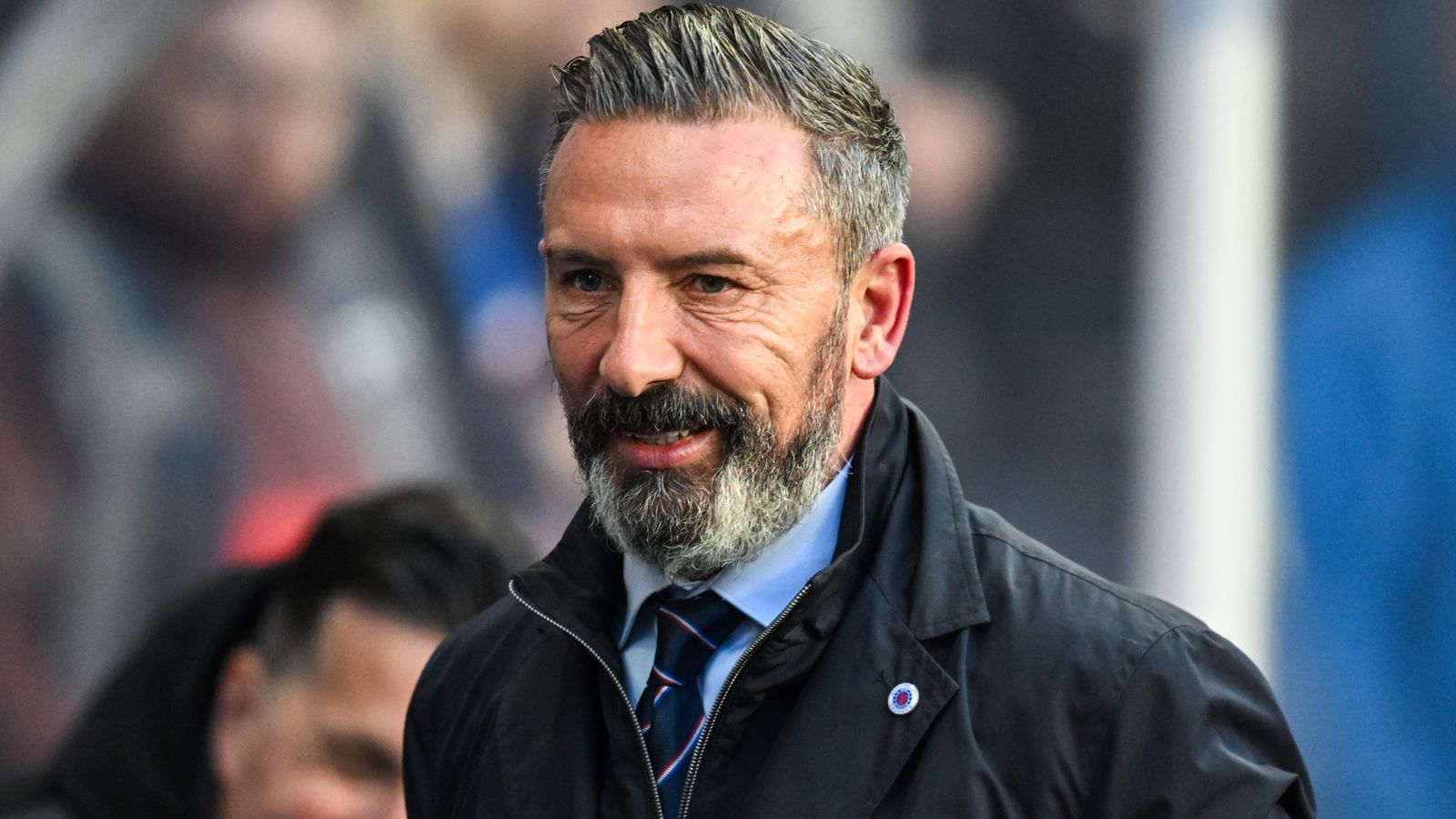
Tynecastle under the floodlights does not forgive. When Derek McInnes steps out of the tunnel at Gorgie on Wednesday night, nobody in the home ends will be rising to applaud his past achievements. He knows what awaits him.
Just five months ago, McInnes stood on the touchline as Gorgie royalty, orchestrating an improbable title tilt that pushed Celtic to the final afternoon. Then the summer arrived, and with it came the predictable sirens from Glasgow. As Derek McInnes admitted in his interview with Sky Sports, he expects nothing resembling a polite greeting.
The grievance runs deep in Edinburgh. Hearts fans watched their manager construct an 80-point campaign from a squad that had previously languished in the bottom six. To watch that architect pack his bags for Rangers weeks later felt like a gut punch.
McInnes claimed he wanted to be the man who broke Glasgow's monopoly. Yet when the Ibrox post opened, his convictions vanished along the M8 corridor. That contradiction will echo off every brick of the Gorgie stands.
"Taking a team who finished in the bottom six and getting to 80 points, we just felt a real injustice at the end of it all."
His lingering bitterness over last season borders on obsession. McInnes still points furiously to Celtic's 3-2 win at Fir Park, where a late penalty sparked his infamous touchline tirade. He served a ban for calling that decision "disgusting," carrying the suspension straight into his new gig at Ibrox.
Dwelling on refereeing controversies from six months ago is a bad look for a Rangers boss. It reveals a coach still seeking external excuses for falling short in a 3-1 defeat at Parkhead on the final day. At Rangers, moral victories do not survive October.
Now comes the operational reality check. McInnes returns to the capital with Rangers trailing Celtic by four points in the Premiership table. Hearts sit four points behind Rangers, knowing a home victory blows the second-place dynamic wide open.
Rangers Stripped of Their Hearts Spine
The cruel irony of Wednesday evening lies on the treatment table. In the summer, McInnes did not just take the manager's desk; he raided Hearts for their two most vital dressing room leaders. Lawrence Shankland and Cammy Devlin followed their boss west to Glasgow.
Neither man will kick a ball on Wednesday. Both Shankland and Devlin are sidelined with injuries, leaving Rangers entirely without the spine that built McInnes's reputation in Gorgie. Hearts supporters will view their absence with bitter satisfaction.
"I had felt something similar a couple of weeks earlier with Lawrence. I was golfing with Graeme Jones and chewing the fat about the season, the plans for the next season and having a post-mortem of everything when we got the call that Lawrence wanted to go to Rangers."
Losing Shankland reshapes the entire attacking geometry for Rangers. Shankland is not merely a penalty-box poacher who scored buckets of goals for Hearts; he is an elite focal point who wins aerial duels, pins center-backs, and facilitates third-man runners. Without him, Rangers lack an offensive anchor against physical central defenders.
Devlin's absence in the center of the park hurts just as badly. At Tynecastle, matches are decided in a chaotic five-yard radius around loose balls. Devlin specializes in breaking lines through sheer belligerence and disruptive pressing.
Without Devlin snap-tackling in transition, Rangers risk getting overrun when Hearts trigger their counter-press. McInnes must improvise with midfield combinations that lack Devlin's bite. In Gorgie, passive midfields get swallowed whole.
The Tactical Friction of Tynecastle
Tynecastle is the most claustrophobic venue in Scottish football. The pitch is notably tight, and the steep stands generate an oppressive acoustic wall that rattles visiting sides. Space in the half-spaces collapses twice as fast here as it does at Ibrox.
Hearts will target the channels aggressively from the opening whistle. Their wing-backs push high to pin opposing full-backs, compressing play into central traffic jams where second balls decide possession. If Rangers hesitate on their first touch, turnovers will follow instantly.
Look at the blueprint from McInnes's Hearts side: they thrived by hitting 80 points through set-piece efficiency, aggressive ball recoveries, and suffocating territory. Now, McInnes must design a game plan to neutralize the exact mechanical habits he spent eighteen months drilling into this Gorgie squad. That is far easier said than done.
Can Rangers control the tempo without their primary target man? Expect McInnes to set up in a conservative 4-2-3-1, relying on quick wide interchanges rather than direct long deliveries. That strategy carries enormous risk against a Hearts defense primed to step forward and squeeze the lines.
If Rangers drop deep to absorb pressure, Tynecastle becomes a shooting gallery. Hearts generate significant crossing volume from both flanks, attacking the front post with aggressive blindside runs. Rangers cannot afford to concede cheap corners or soft free-kicks thirty yards out.
The central defensive duel will dictate Rangers' survival. With Shankland out, the Rangers forwards must challenge Hearts' aerial dominance without relying on brute strength. If Hearts' center-halves win their opening duels cleanly, their back line will push twenty yards higher up the pitch.
That territorial squeeze is where Hearts inflict maximum damage. By compressing the middle third, they deny visiting playmakers the pocket between the defensive line and midfield. Rangers will find their passing angles choked off before moves even develop.
Discipline is another glaring concern for the visitors. In his pre-match comments covered by Sky Sports, McInnes spoke openly about feeling guilt over his Gorgie departure. If the manager is already feeling vulnerable, his players will sense that anxiety immediately.
Tynecastle crowds specialize in baiting visiting players into reckless challenges. With the referee under intense scrutiny in front of the main stand, early bookings can easily dictate the tactical script. McInnes cannot afford another touchline eruption or a rash red card in the opening thirty minutes.
The tactical response from Hearts will be direct and abrasive. They will test Rangers' back line with driven diagonal switches behind the full-backs, looking to isolate defenders in foot races towards the corner flags. Rangers must show defensive cohesion that hasn't always been evident this autumn.
The Verdict: An Unforgiving Night in Gorgie
This fixture has all the ingredients of an ambush. Rangers arrive under immense title race strain, knowing that anything less than three points gifts Celtic clear daylight at the summit. Yet they are missing the two players who understand Tynecastle's rhythms better than anyone else in their squad.
McInnes is trying to project calmness, claiming he understands the vitriol heading his way. But understanding hostility does not shield you from its impact once the whistle blows. His side look tactically disjointed without Shankland's hold-up play and Devlin's midfield tenacity.
Hearts will play with fury, fueled by the feeling of abandonment that accompanied McInnes's summer exit. They have the defensive structure to resist Rangers' disjointed build-up play and the aerial power to dominate set-piece phases. The narrative demands tension, but the tactical matchup favors Gorgie's energy.
Rangers will struggle to establish sustained possession in the attacking third without a focal point to relieve pressure. Hearts will strike on the break and grind out an emotional, bruising victory. Back Hearts to take all three points in a fiery 2-1 win that blows the Premiership chase wide open.
Read Next
- Derek McInnes has an Ibrox dilemma and Martin O'Neill smells blood
- Celtic survived Easter Road, but Kasper Hogh is becoming an £11m problem
- Rangers hit by squad illness ahead of St Johnstone clash
- Motherwell went from Total Football to total disaster in four months
- ⚽ Scottish Premiership 2025-26 — Celtic vs Rangers Hub