Infantino ignores the physical toll of 2026
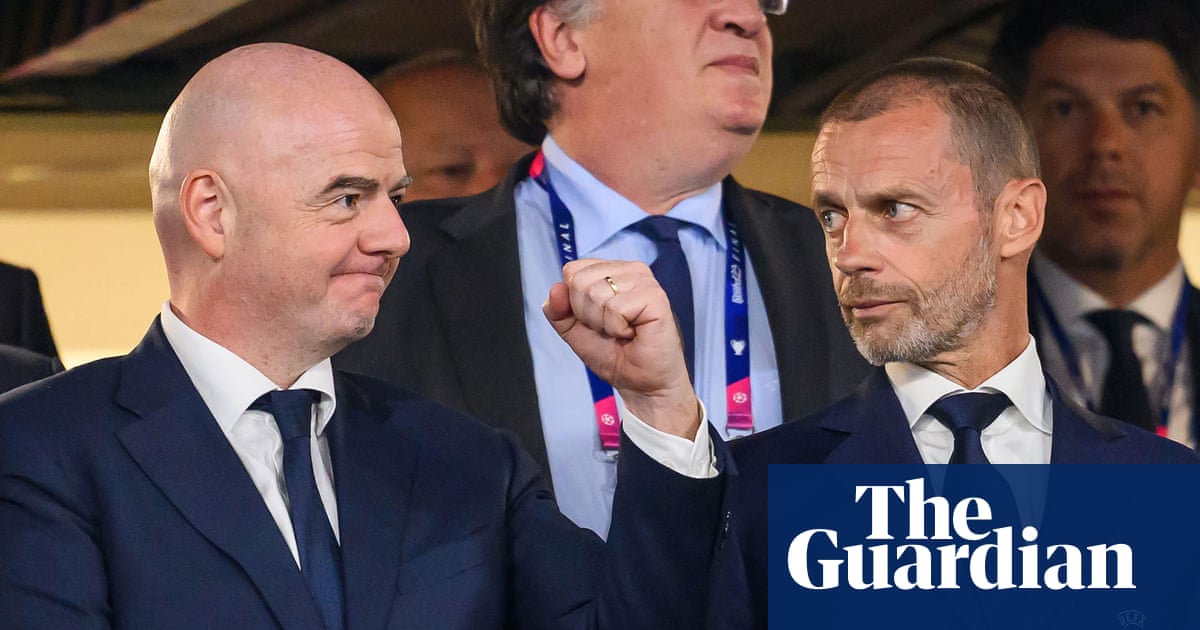
Gianni Infantino declared the 2026 World Cup an outstanding success yesterday, yet his assessment ignores the mounting medical fallout from the expanded tournament format. FIFA’s leadership appears to be operating in a vacuum while players deal with the impact of the 48-team schedule. The physical cost of high-intensity matches played on varied surfaces across North America has left several top-tier nations with depleted squads.
Reports indicate that the sheer volume of games compressed into the calendar caused fatigue levels that surpassed typical professional standards. While FIFA celebrates revenue benchmarks, the players are grappling with the reality of an overextended season. This disconnect between front-office enthusiasm and on-pitch physical reality is becoming a standard feature of the sport’s administration. The recent comments regarding the tournament state highlight a refusal to address the high rate of soft-tissue injuries observed during the knockout stages.
The hidden cost of the compressed format
The medical data collected throughout the competition shows a direct correlation between the 2026 scheduling decisions and increased muscle strain occurrences. Players were subjected to travel demands that compromised recovery protocols. This is not the first time FIFA has faced scrutiny for prioritizing tournament expansion over player wellness. Previous cycles established that performance drops significantly after consecutive days of high-intensity competition without adequate rest windows.
The current state of recovery requires a minimum of 72 hours between matches to mitigate injury risk, yet several teams were forced into shorter turnarounds. This strategy mirrors errors made in previous international cycles where short-term financial gain undermined the longevity of key assets. Critics note that the failure to account for these physiological demands puts the long-term health of star performers at risk. The lack of accountability from governing bodies regarding these fatigue-related injuries remains a major point of friction for team medical suites.
Strategic implications for club football
The immediate fallout reaches far beyond the international stage. Domestic leagues are now receiving players back from national duty who are not fit to start the upcoming season. This creates a cascade effect for coaching staffs who must manage squad rotation while missing key contributors to muscle fatigue or acute knocks. Clubs are now facing a period of intense roster management as they attempt to offset the errors of the international calendar.
As The Mirror reported, Gianni Infantino’s insistence that the tournament was flawless ignores the growing chorus of dissent from professional players' unions. The management of this cycle points toward a trend where administrative goals continue to diverge from the physical welfare of those on the field. Without a significant adjustment to the frequency of fixtures, the injury rate in international football will likely continue to climb. Teams are currently forced to rely on depth that is often not designed for such high-stakes physical output.
Looking forward
The long-term impact of this tournament on the sport is defined by an unnecessary accumulation of physical stress. Players are showing signs of burnout, with muscle recovery times extending well past the standard historical averages of 10 to 14 days for similar injuries found in previous leagues. The decision to ignore these warning signs is a strategic failure that risks the quality of play in future tournaments. If the current trajectory persists, the frequency of squad rotations will skyrocket as a survival mechanism rather than a tactical choice.
While the administration points to attendance figures as the sole marker of success, the medical reality suggests a more volatile outlook. Coaches are now expected to navigate a season where their best players might be unavailable due to long-term fatigue induced by the 2026 expansion. There is no indication that match volume will decrease, signaling more disruption for clubs in the coming months. The disparity between the FIFA vision and the reality on the ground remains a significant point of contention for global football operations.
Read Next