How Saliba's absence broke France's World Cup defense
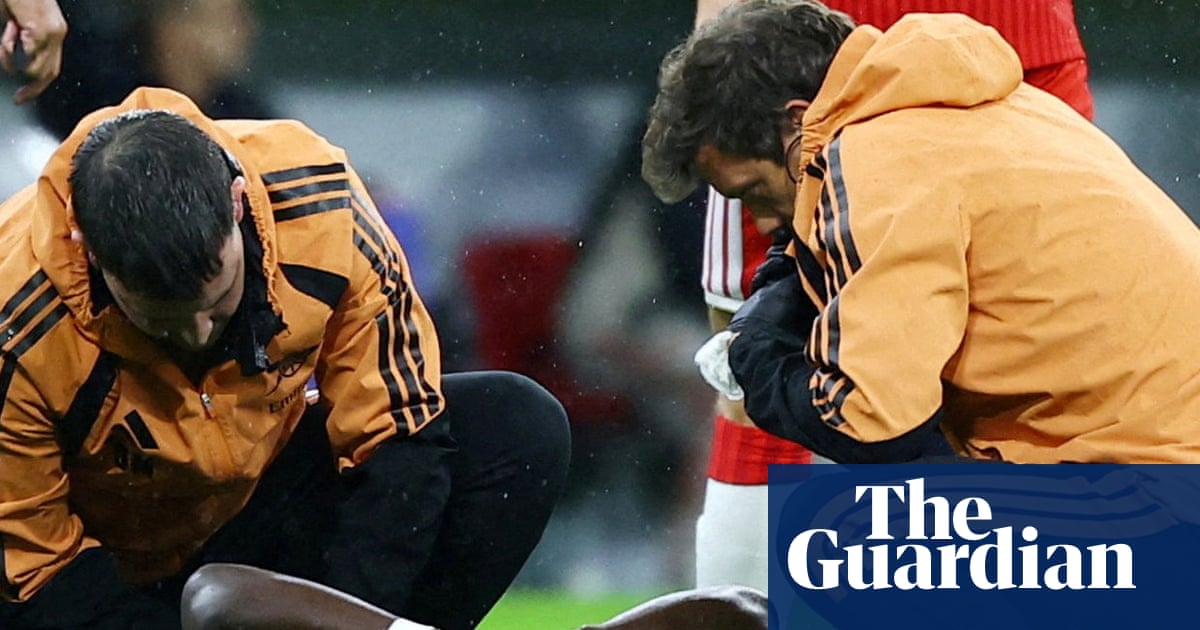
William Saliba missed France's World Cup semi-final against Spain due to a sudden physical breakdown. That single missing name destroyed Didier Deschamps' defensive structure before kickoff in North America. Without their primary backline organizer, France looked completely disjointed against Spain's fluid positional attack.
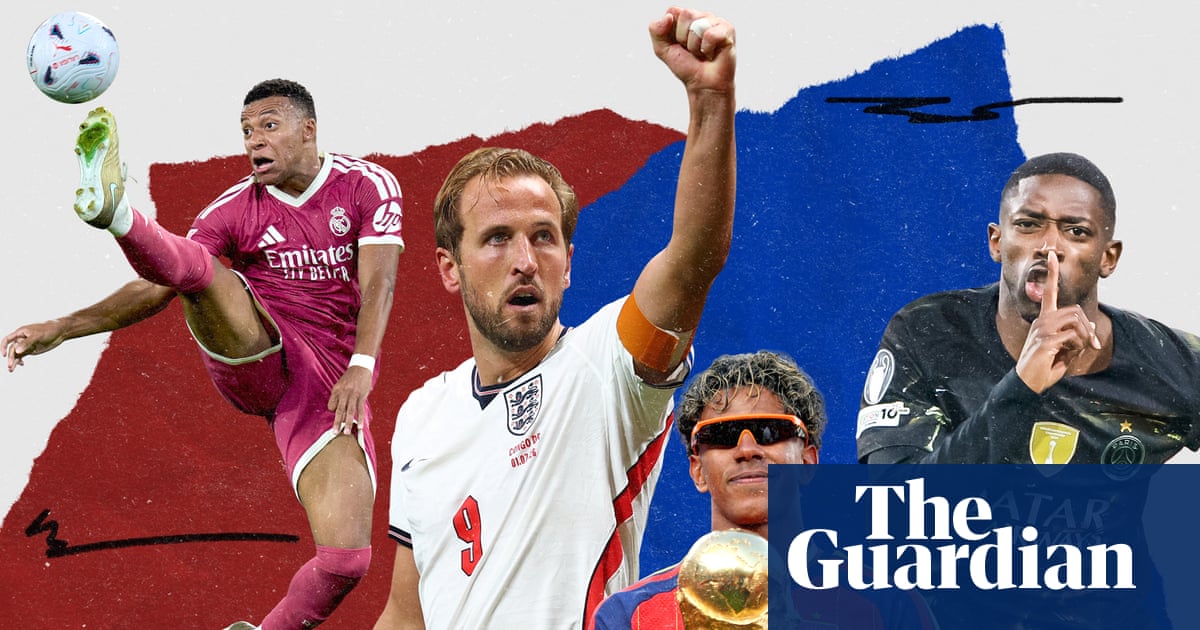
According to The Guardian's Ballon d'Or power rankings published on September 09, 2026, Saliba stands at No. 20 globally ahead of October's ceremony. Ironically, standing on the sidelines during the semi-final enhanced his reputation far more than his group stage outings. The stark drop in defensive composure without him proved how heavily France relied on his individual recovery pace.
It was an agonizing climax to a brilliant year for the 25-year-old defender. Saliba had served as the backline commander who powered Arsenal to their long-awaited Premier League title. But after anchoring both domestic and European campaigns for ten straight months, his body finally surrendered when his country needed him most.
Dayot Upamecano was left completely exposed in the semi-final without his regular partner. Deschamps had constructed a high defensive line that assumed Saliba would sweep up counter-attacks behind the midfield. When that safety net vanished, Spain sliced through France's makeshift central defense with ease.
Deschamps deserves serious criticism for failing to build a functional backup plan. Relying entirely on one defender's athletic coverage is reckless squad management at the international level. Once Saliba limped off, France possessed zero tactical adjustments to contain Spain's passing combinations.
The loss exposed a dangerous structural vulnerability in France's roster depth. While Deschamps stacked his squad with gifted attacking wingers, he failed to cultivate a secondary center-back capable of commanding the penalty area under elite pressure.
The heavy physical tax on Arsenal's title winners
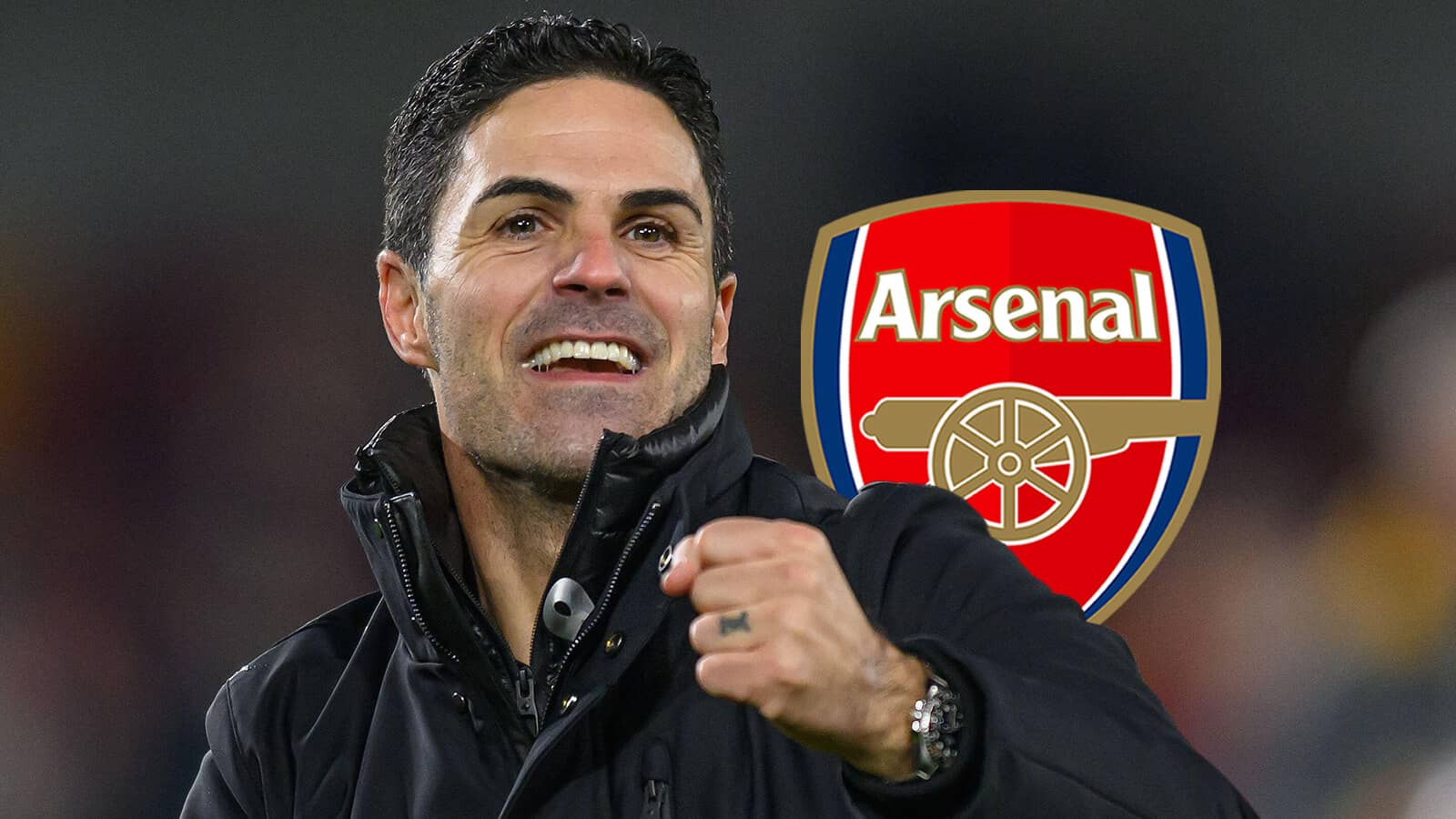
Saliba's breakdown was not an isolated stroke of bad luck. It was the direct mathematical consequence of Mikel Arteta burning out his core starters during Arsenal's domestic title drive. Modern elite football demands physical recovery intervals that condensed fixture schedules no longer provide.
Arsenal's central defense carried an overwhelming load throughout the Premier League and Champions League campaigns. Gabriel Magalhães delivered steady performances alongside Saliba to bring the league trophy back to North London. Gabriel then shined for Brazil against Japan at the World Cup, only to suffer a noticeable drop in sharpness during a quarter-final defeat to Erling Haaland and Norway.
Midfield engine Declan Rice suffered from the exact same physical fatigue. Rice served as the most vital cog in Arteta's meticulous machine all season before driving England into another World Cup semi-final. By the time England reached the last four, Rice was visibly exhausted after logging relentless domestic minutes.
Arsenal secured their long-sought Premier League crown, but the physiological toll on their stars was immense. When club managers refuse to rotate secondary options during spring league fixtures, primary starters inevitably crumble during summer international knockout rounds.
Arteta's tactical perfectionism leaves virtually no room for squad rotation. By driving his primary defensive spine until their muscle fibers tore, he left both France and England relying on depleted superstars when international trophies were decided.
This relentless overuse creates a cascading injury cycle across international tournaments. When key central defenders enter summer competitions with existing soft-tissue strain, a single high-intensity sprint can end their tournament instantly.
The physical breakdown across Europe's Ballon d'Or elite
Saliba was far from the only world-class talent whose body rebelled during the summer tournament in North America. The physical toll of the 2025-26 season affected several top contenders detailed in The Guardian's candidate review.
Lamine Yamal turned 19 in July after producing 41 goal contributions in 45 appearances for Barcelona. Yet persistent physical wear restricted his movement throughout Spain's knockout matches. Spain still claimed their second World Cup title, but Yamal was forced to manage severe physical discomfort.
In Germany, Harry Kane led all global Ballon d'Or candidates by racking up 61 goals in 51 matches for Bayern Munich. Even adjusting for the high-scoring Bundesliga, Kane's hold-up play and playmaking made him unstoppable through the round of 16. However, after pounding opposing defenses all year, Kane looked exhausted when opponents isolated him in England's later matches.
Luis Díaz enjoyed a superb debut season at Bayern Munich after arriving from Liverpool, tallying 26 goals and 19 assists across 51 appearances. Yet Colombia crashed out of the World Cup far earlier than expected when Díaz ran out of steam in the summer heat.
Even younger stars had to manage their workloads carefully to avoid catastrophe. Paris Saint-Germain kept Khvicha Kvaratskhelia fresh for Champions League knockouts by limiting him to 1,479 Ligue 1 minutes across 28 appearances. Without domestic rest shifts, Kvaratskhelia likely would have joined the summer injury list.
Similarly, PSG left-back Nuno Mendes required frequent domestic rest days between Champions League fixtures to preserve his explosiveness. Defenders who operate at high sprinting speeds simply cannot sustain peak physical metrics without planned bench shifts.
Tactical laziness and squad management failures
Individual physical fatigue was further compounded by glaring tactical flaws across major teams. Nowhere was this more obvious than in France's front line, where Kylian Mbappé's complete lack of defensive pressing created constant danger for his own backline.
Mbappé enjoyed a dominant individual campaign for Real Madrid, scoring 40 goals in 42 matches across La Liga and the Champions League before winning the World Cup Golden Boot. Off the pitch, Mbappé and José Mourinho launched an aggressive campaign for his first Ballon d'Or. But on the pitch, his refusal to press forced Saliba and Upamecano to absorb endless opponent pressure.
France's attacking trident of Mbappé, Michael Olise, and Ousmane Dembélé possessed immense technical talent. Olise, who joined Bayern Munich from Crystal Palace to partner Kane, led the World Cup with two assists in the third-place match. Dembélé remained dangerous despite seeing his PSG numbers dip from 35 goals in 53 games down to 20 in 40. Yet when Spain closed Olise's passing lines in the semi-final, France lacked the defensive pressing structure to win back possession.
Tactical stubbornness also doomed Portugal's gifted squad under Roberto Martínez. Vitinha established himself as Europe's finest deep-lying playmaker for PSG, scoring six of his seven club goals in the Champions League. Bruno Fernandes delivered sensational club performances to restore Manchester United to prouder days. Yet Martínez's rigid setup neutralized both playmakers, resulting in an underwhelming tournament exit.
Jude Bellingham experienced a noticeable slump at Real Madrid, where his goals and assists plummeted during a forgettable third club campaign. He still alternated hero shifts with Kane for England, but his diminishing physical returns reflected Real Madrid's wider squad fatigue.
Even Lionel Messi's historic 17th Ballon d'Or shortlist nomination contained a frustrating finish. The 39-year-old led Inter Miami to an MLS title and poured everything into Argentina's campaign. But a putrid final performance from his supporting cast ruined Argentina's chances of retaining their crown.
Meanwhile, Rodri proved that masterclass game control can overcome physical fatigue. After leaving Manchester City for Barcelona following a domestic cup double, Rodri anchored Spain's midfield with precision. Only one of four previous World Cup champions produced the corresponding Ballon d'Or winner, but Rodri's World Cup victory makes a compelling case for his second trophy in three years.
Why rotational survival must replace burnout tactics
As European clubs enter the new season, managers face an urgent imperative to reform squad management. Expecting elite central defenders to play 50 full matches without rotation is a blueprint for physical collapse.
Arsenal's long-awaited Premier League title validated Arteta's tactical system, but defending that crown requires managing Saliba's workload with extreme care. Pairing Saliba with Gabriel gives Arsenal a world-class partnership, but both defenders need scheduled rest to remain sharp for spring title races.
International managers must also stop building systems that rely entirely on individual athletic bailout plays. Deschamps designed a defensive structure that functioned only when Saliba was present to clean up errors. When that single point of failure snapped, France's World Cup defense collapsed on the global stage.
The lesson from North America is unmistakable for directors of football across Europe. World-class positioning and high market valuations mean nothing when your lead defender is sitting in the treatment room during semi-final week.
Until club and national team coaches treat player recovery as a core tactical requirement, physical breakdowns will continue to decide major trophies. Saliba's summer injury stands as a stark warning that modern football has pushed its brightest stars past human endurance limits.
Read Next
- Martin Ødegaard Has Finally Unlocked Arsenal's Killer Instinct
- Top 10: Top Moments
- Arsenal fans are losing their minds over Arteta's unfinished transfer wishlist
- Arsenal won the league with muscle, now Arteta wants pure entertainment
- 🏆 World Cup 2026 — Full Coverage Hub
- 🇫🇷 France World Cup 2026 — Les Bleus Hub