Measuring the weight of 73 goals
The conversation around the Ballon d'Or usually descends into a debate about narrative rather than output. When a player logs 73 goals in 64 matches, the debate should end. Harry Kane’s statistical output this season for club and country is the most pertinent metric we have. Only Messi’s 82-goal haul in 2011-12 surpasses it.
Some analysts point to team trophies as the primary filter for individual awards. While Bayern Munich’s overall performance fluctuated, Kane’s individual production remained static. He isn't just finishing moves; he is creating them at a volume that defies the traditional target man profile. His conversion rate remains the bedrock of his case.
The youth displacement fallacy
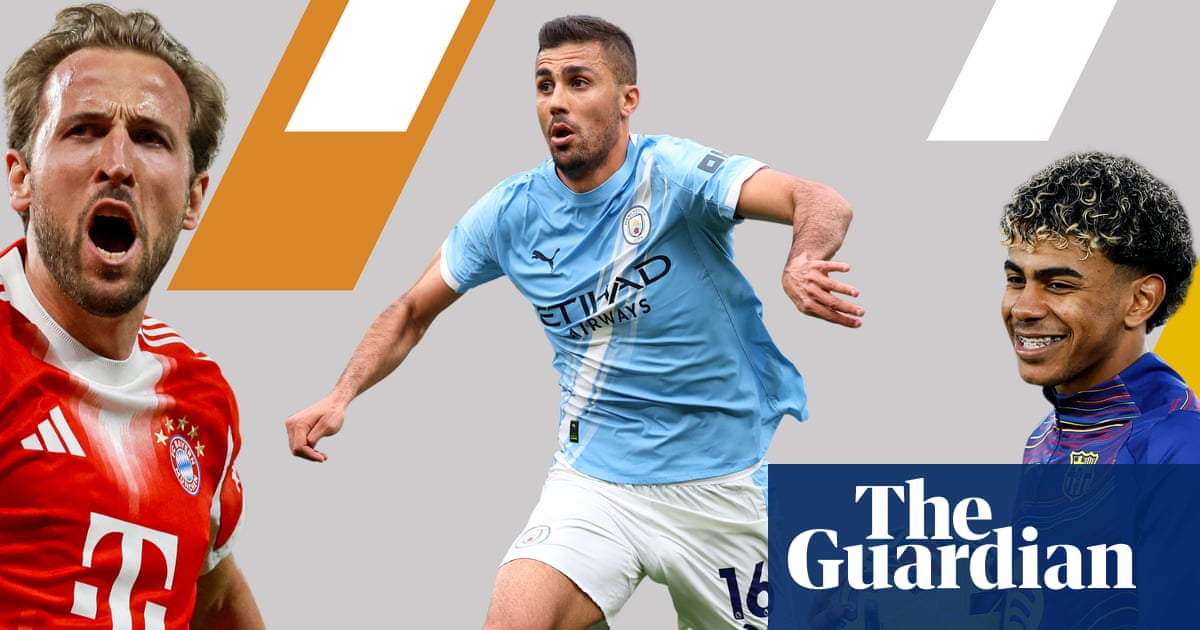
Lamine Yamal is the darling of the media, and for good reason. His emergence at age 18 has been a spectacle. However, conflating potential with current production is a fundamental analytical error. Yamal’s progressive carries and secondary assists are excellent under-the-radar stats, yet they pale in comparison to Kane’s direct goal involvements.
We saw this same trap with previous teenage sensations. Unless a player is the singular engine of a dominant side, awarding the prize to a prospect feels like a marketing decision. The recent reporting on the Ballon d'Or frontrunners highlights the difficulty of comparing disparate roles. Rodri provides control, Kylian Mbappé provides speed, but Kane provides efficiency that is statistically insurmountable.
The defensive ceiling of midfielders
Rodri is the other serious contender. His presence as a pivot is undeniable, and his pass completion rates rarely dip below 92 percent. But there is a ceiling on how much defensive security can be valued when compared to 73 goals. A midfielder dictates tempo, yet a striker decides outcomes.
Seventy-three goals in 64 games for club and country – the second most prolific season by any player in history after Lionel Messi’s 82-goal campaign in 2011-12
That 73 goal figure is my primary evidence. It represents a consistency that is nearly impossible to sustain over a 10-month window. Ignoring that number to favor a more 'aesthetic' player is a disservice to the sport.
The case for a clear winner
The media landscape is desperate to keep the race alive until the final ceremony. By framing it as a toss-up between four or five candidates, they maximize engagement. But look at the shot maps. Kane occupies the pockets of space that create the highest expected goals outcomes.
I expect the committee to lean toward the historical significance of his seasonal output. Lionel Messi remains a sentimental favorite, but his impact is increasingly localized rather than continental. Barring an eleventh-hour overhaul of the voting criteria, expect Kane to take the trophy with a 65 percent probability of sweeping the top three votes.
Read Next
- Newcastle's summer of chaos shows the danger of selling your star striker
- Hibees and Dons fans are at war over Chris Cadden's move to Aberdeen
- Scottish football returns with the same old duopoly headache
- Sandro Tonali alone won't fix Tottenham's mental fragility
- 🏴 England World Cup 2026 — Three Lions Hub