The Fulham pipeline meets the Rodney Parade reality
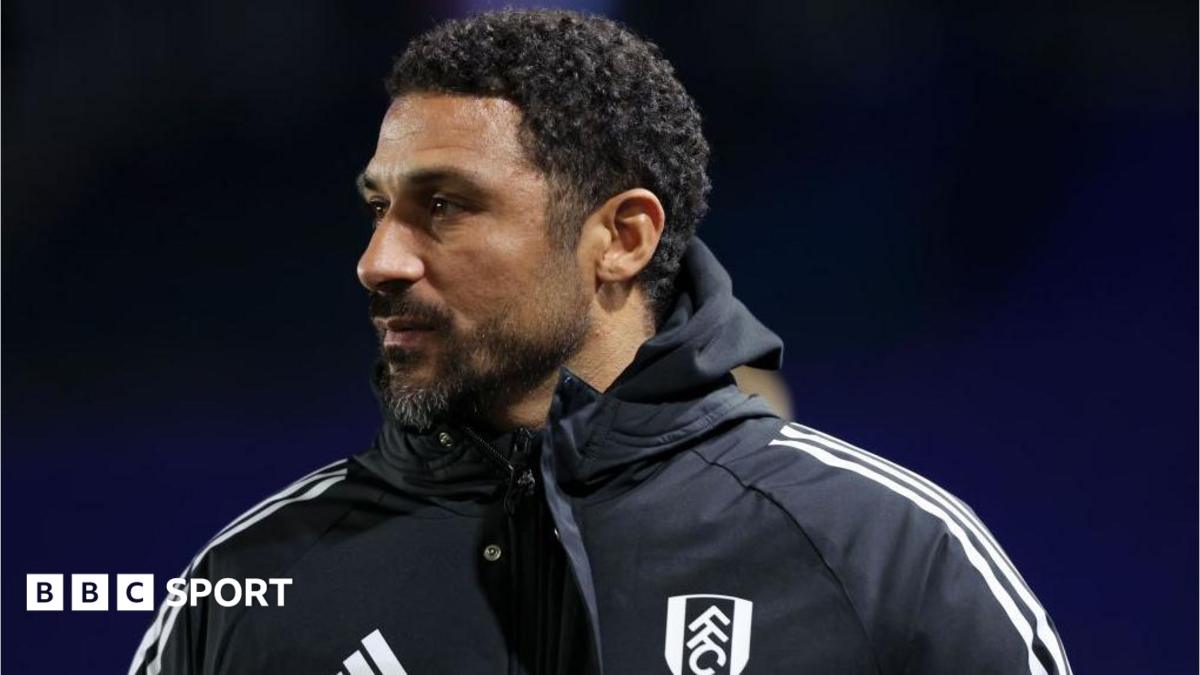
Newport County’s appointment of Hayden Mullins as their new head coach is a classic lower-league punt wrapped in modern academy idealism. Leaving his post as Fulham Under-21 boss, Mullins steps out of the pristine, zero-consequence environment of Premier League 2 straight into the brutal churn of League Two. It is a transition that looks clean on a CV, but the tactical reality on the pitch will hit like a cold Tuesday night in South Wales.
Developing possession-heavy, press-resistant technical players at Fulham is an entirely different operational discipline than scrapping for second balls against physical Direct-ball sides in the fourth tier. Newport didn't just hire a coach; they imported a blueprint that requires spatial discipline and composure under high aerial bombardment. If Mullins expects his new side to build out from the back with the same smooth tempo his Fulham U21s displayed, League Two pressing traps will punish him before September is out.
The structural mismatch in League Two
The core issue with elite youth coaches making the jump to senior football lies in structural adaptation. At Fulham U21, Mullins could rely on superior technical floor talent to control passing lanes and manage defensive transitions. In League Two, game state management is erratic, pitch conditions deteriorate quickly, and refereeing decisions favor physical contest over technical finesse.
Newport's current setup lacks the press-resistant midfielders required to play out through central channels under pressure. When opponents trigger a high-line press, youth teams rely on automated passing combinations drilled over months. Newport will not have the luxury of patience; a sequence of three turnovers in their own defensive third will kill match control and ignite crowd anxiety fast.
Mullins’ stint as interim manager at Watford previously showed a coach who favors compact defensive blocks when out of possession, but his actual proactive tactical setup remains unproven when forced to dictate matches against low-block opponents. League Two is packed with sides comfortable sitting in a 5-4-1, surrendering 60% of the ball, and striking via set-pieces. If Newport dominate possession without vertical penetration, they will be picked off on counter-attacks endlessly.
The Verdict: A painful adjustment period awaits
Here is the reality: tactical ideas do not points gather on their own. Mullins is walking into an environment where survival relies on winning third-ball headers and managing set-piece delivery, not progressive passing metrics. Without significant senior squad reinforcement tailored to his system, his vision will clash violently with squad capabilities.
Expect Newport to suffer early, struggling with defensive transitions while adapting to Mullins' passing triggers. The transition period will be rough, full of low-margin losses and structural friction.
Read Next
- West Ham need more than just Arne Engels to fix their midfield identity
- Why Sassuolo are dropping £10m on Kieron Bowie's Serie B rehabilitation
- Roberto De Zerbi is bringing his ultra mentality to Tottenham
- Data vacuums won't save us from the Premier League's tactical stagnation
- ⚽ EFL League Two 2025-26 — Promotion Race & Play-Off Final Hub