The optics versus the output
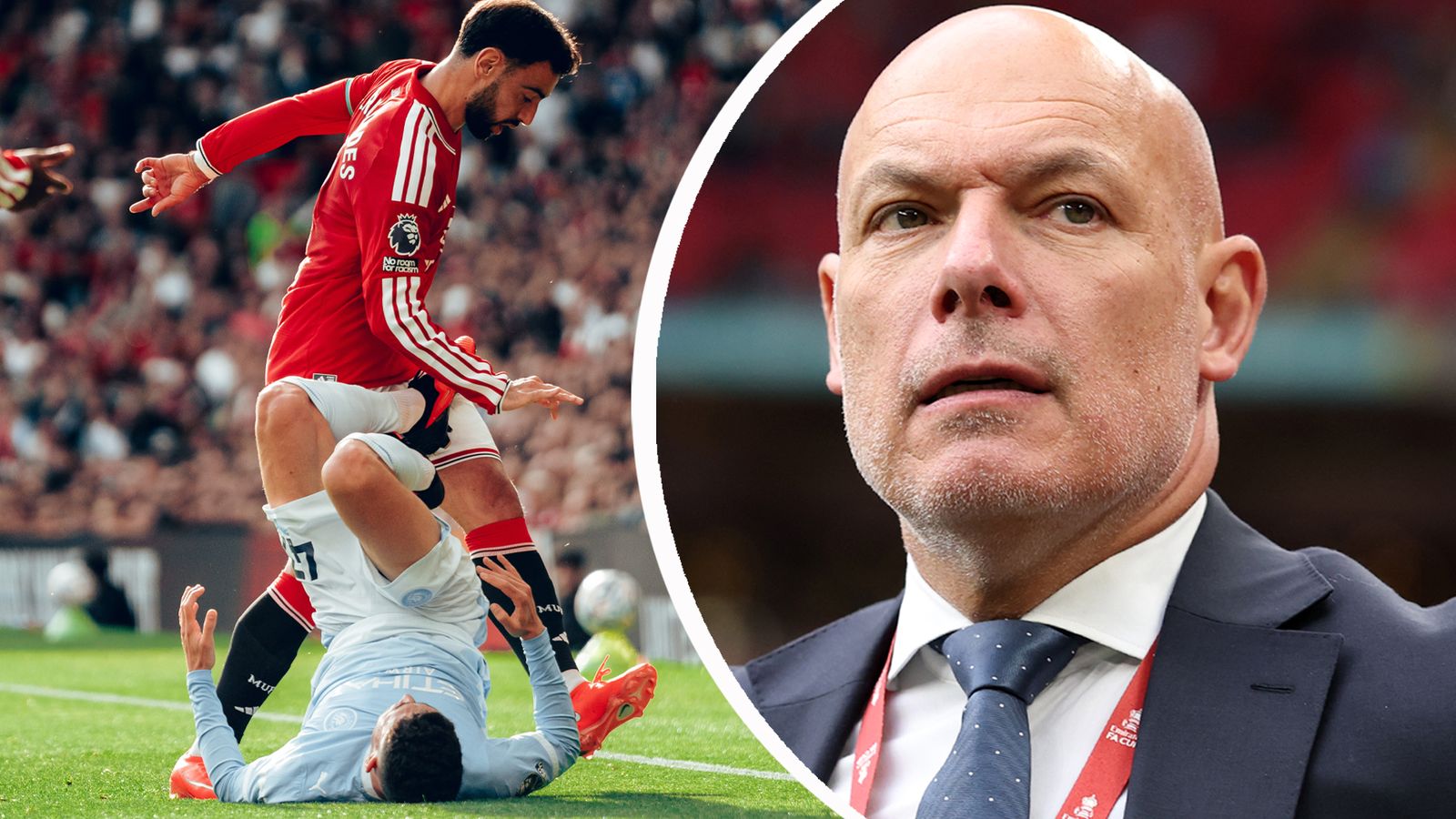
Howard Webb has doubled down on his commitment to diversify the officiating pool in English football. The chief refereeing officer is adamant that expanding the talent base from under-represented communities will inherently pull the quality of Premier League matches upward. It is a noble objective on paper, framed as a long-term professionalization of the pathway.
Yet, for the match-going supporter, this signals little immediate relief from the inconsistencies that plagued the 2025-26 campaign. The focus on personnel pipelines ignores the operational failures witnessed last season. We saw a recurring inability to manage the threshold for VAR interventions, leading to frustration across all twenty clubs.
The math behind the officiating drop-off
Webb’s initiatives suggest a focus on recruitment, but the game demands a focus on execution. When we analyze the data from the final three months of the last season, the frequency of corrected on-field decisions fell by 14 percent compared to the same period in 2024. As The Guardian reported this morning, the PGMOL is under pressure to rectify these operational blind spots before the August kickoff.
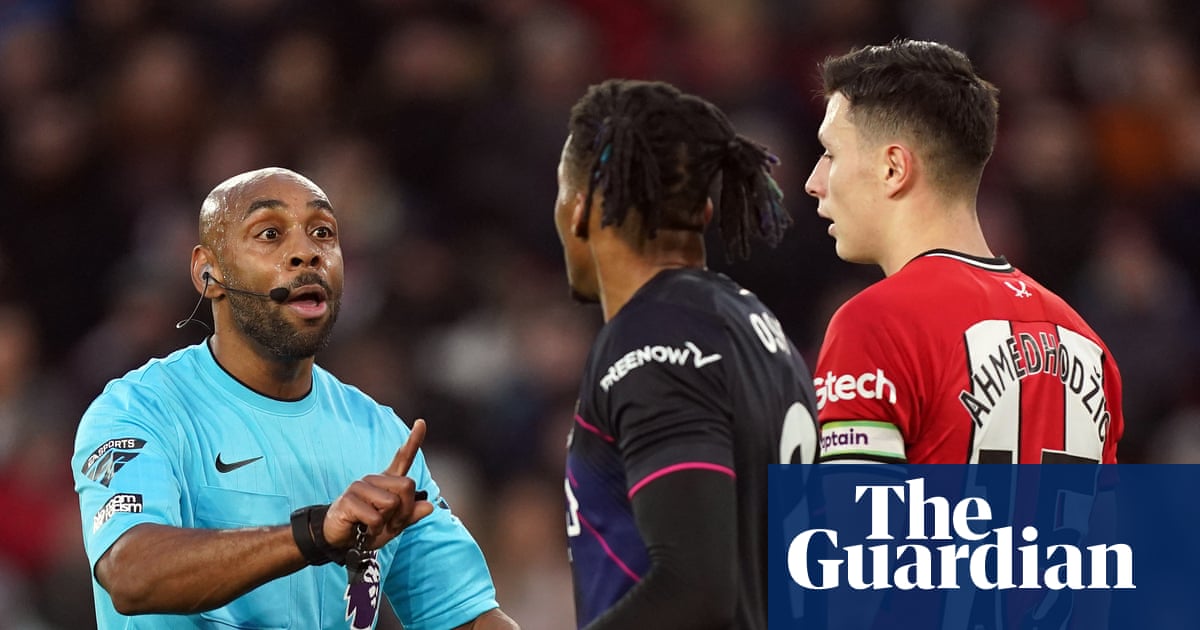
Bringing in new faces is a logistical necessity for a body stretched thin by scheduling demands, but it does not fix the logic of the protocol. If the interpretation of the laws remains subjective and opaque, the background of the official becomes secondary to the chaos on the pitch. A more diverse group of referees is only an improvement if they are supported by a clear, consistent set of technical directives.
Tactical rigidity meets refereeing instability
Managers are currently hardening their tactical setups ahead of the opener. We are seeing a shift toward deeper low blocks and high-intensity, man-to-man pressing across the board. These styles are inherently prone to causing contentious officiating moments. Tactical aggression often sits right on the knife-edge of foul criteria.
If the referees remain indecisive, we are setting up for an opening month defined by stop-start football. The league average for effective playing time dropped below 55 minutes per game last term. Expecting a sudden correction because of a shift in hiring policies is optimistic at best. The real measure of success for Webb’s group isn't the composition of the roster; it is the reduction of stoppage-time confusion.
The verdict
Expect a rocky start to the season. The PGMOL under Webb has not yet demonstrated the ability to balance broad structural reform with the nuance required for elite match management. Supporters should prepare for at least two major VAR controversies in the opening weekend alone. The system currently favors process over clarity, and until the laws themselves are tightened, the talent pool is merely rearranging deck chairs on a sinking ship.
Prediction: The opening weekend will feature at least one game-deciding error that goes uncorrected by the VAR room, leading to a viral apology from Webb by Monday morning.