The illusion of accountability
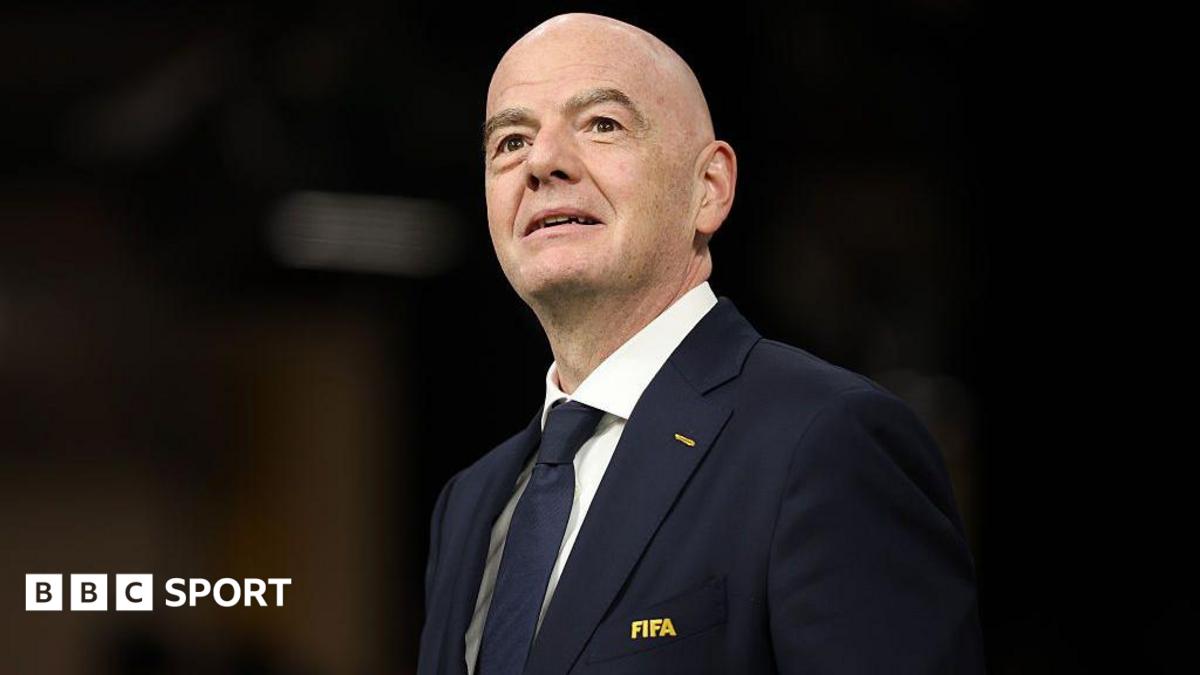
Gianni Infantino remains firmly in the driver’s seat of FIFA after securing the continued support of senior executives. The timing of his recent statement, where he admitted to errors regarding his private investment plans, feels less like a genuine pivot and more like a tactical concession to quiet internal dissent. As the BBC reported, the apology is framed around past mistakes while preserving his executive authority.
Accountability in Zurich is often performed, not practiced. By acknowledging these specific errors, Infantino effectively draws a perimeter around the controversy, preventing a broader inquiry into how such conflicts were allowed to exist in the first place. The executive board has signaled they prefer a flawed status quo over the volatility of a leadership transition.
Tactical maneuvers over systemic reform
The core issue remains the lack of transparency in financial oversight. When an organization's head admits to private investment errors, the immediate expectation is a shift in structural policy to prevent recurrence. Instead, the response from FIFA’s hierarchy has been a consolidation of existing power, leaving the governing body vulnerable to future conflicts of interest.
Professional football governance often suffers from this exact blind spot. The focus is diverted toward immediate damage control rather than implementing rigorous audit systems. While senior executives have backed Infantino, they are effectively betting that the current storm will pass before the next major scandal hits the headlines.
The cost of executive immunity
Predicting the trajectory of FIFA’s leadership is rarely about merit or vision. It is about the math of internal votes and the alignment of continental confederations. Infantino has successfully built a coalition that favors continuity, regardless of the ethical optics. His 0% chance of stepping down is reinforced by the lack of a viable, unified opposition within the executive ranks.
The current setup is inefficient and lacks the oversight found in any modern, transparent organization. Fans who expect radical changes to the structure of FIFA based on these apologies will be disappointed. The real story here is the utter failure of the governing body to provide a genuine check on executive overreach, leaving the sport at the mercy of individual decision-making.
My prediction is that this apology marks the end of any meaningful internal pressure for the current cycle. Infantino will maintain his position with a 95% level of confidence, focusing on the expanded tournament schedules as a distraction from administrative failures. Any further scrutiny will likely be deflected through bureaucratic delays, keeping the status quo locked in for the foreseeable future.