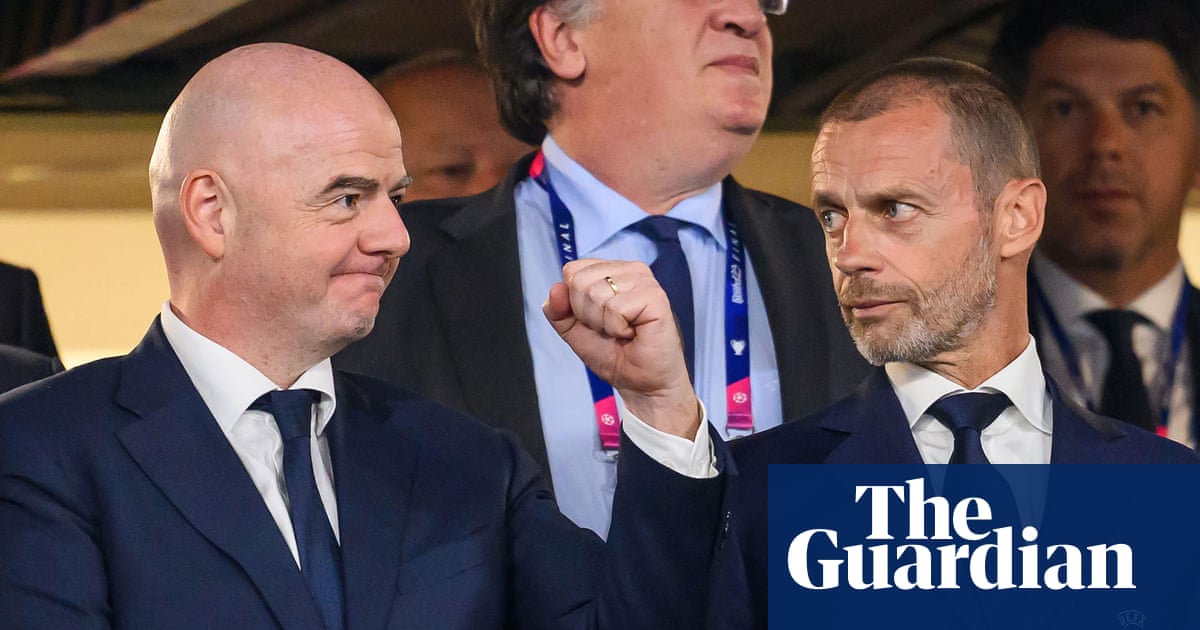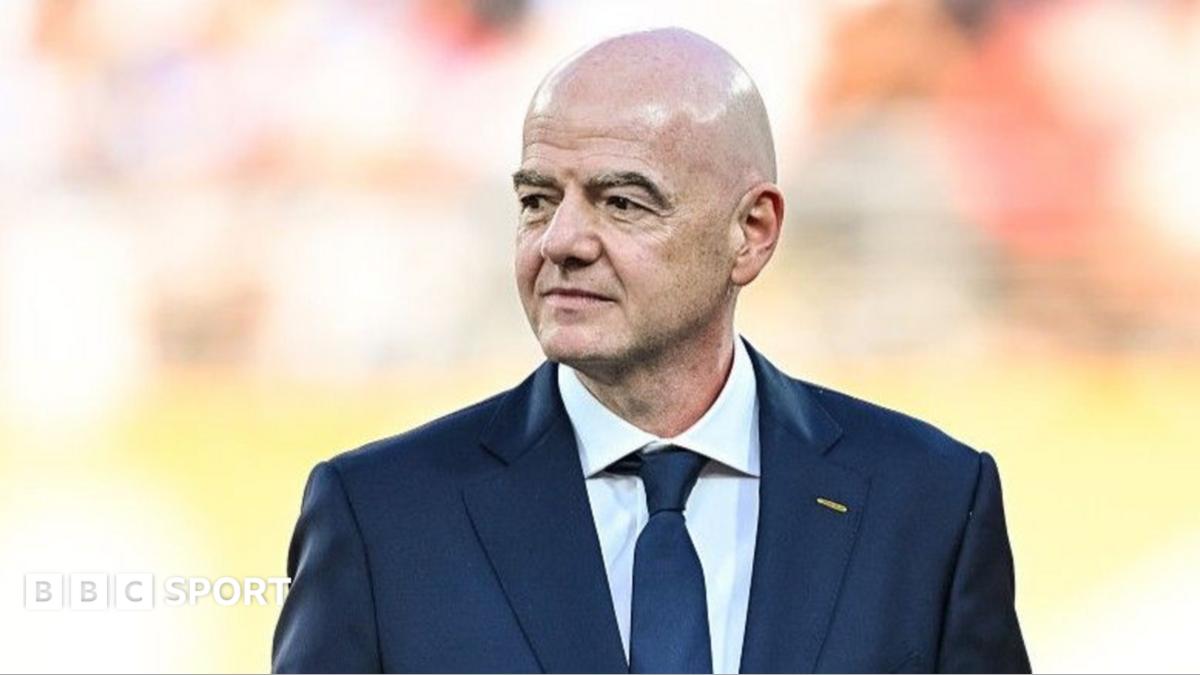
The four days that nuked Gianni’s golden goose
If you thought the football calendar couldn’t get any weirder, Gianni Infantino just tried to turn the beautiful game into a private equity venture. Last week, news broke that the FIFA head honcho was shopping around stakes in flagship tournaments to the highest bidder. Four days later? The whole plan is looking like a tactical disaster.
The audacity is frankly impressive. Trying to hawk slices of global tournaments while pretending to care about the sanctity of the sport is the kind of move that makes a hedge fund manager blush. Fans aren't buying it. The backlash started on Twitter and moved into the stadiums, with match-going supporters making their feelings known about the commercialization of every last square inch of the pitch.
The spectrum of fan fury
The community is split into three very loud camps. You have the total cynics who expected nothing less from FIFA, the absolute fire-breathers who want the entire board gone yesterday, and the small group of contrarians asking if this is just how the game works now. It is a absolute mess.
One camp argues that FIFA has been a casino for decades, so why act shocked when they start selling the slots? It is a fair point, albeit a depressing one. Then you have the purists who look at the four days of chaos reported by the BBC as a sign that even the most powerful bureaucrats have a breaking point when they push the fanbase too hard.
The skepticism is running high. Even the most hardened observers are wondering how a body that claims to be a non-profit can justify selling ownership stakes in their own products. It reeks of desperation. We are talking about potential equity deals for tournaments that belong to the history books, not a balance sheet.
My take: The market blinked
Let’s be real for a second. This whole debacle isn't about vision or growth. It’s about FIFA realizing they can’t just print money by expanding tournaments forever. Eventually, you run out of teams to invite and matches to squeeze into the schedule.
When the proposal hit the fan, it wasn't just supporters who pushed back. Institutional voices, sponsors who care about brand integrity, and even some national associations realized this was a bridge too far. The attempt to offload stakeholdings in these competitions was a massive miscalculation of how much the public will tolerate before the noise becomes a full-blown roar.
I’m betting this gets quietly buried in a subcommittee folder within the next month. They’ll trot out some PR fluff about 'strategic partnerships' and 'long-term sustainability,' but the core plan is dead in the water. Gianni thought he was playing 4D chess with private equity, but he forgot the fans are the ones holding the board.
The takeaway here is simple: football is the one industry where the consumers actually have the power to ruin your day if you get too greedy. The four days of scrutiny didn't just expose a bad idea—it exposed the lack of a plan B. If your strategy relies on selling your soul to a VC firm, you’ve already lost the plot.
Watching the backtracking happen in real-time was like watching a Sunday league keeper try to catch a wet ball in a gale. They stumbled, they fumbled, and now they’re pretending it was a tactical clearance all along. It’s embarrassing stuff. We deserve better than a governing body that treats the World Cup like a Series C funding round.