The breakdown of professional trust at Woking
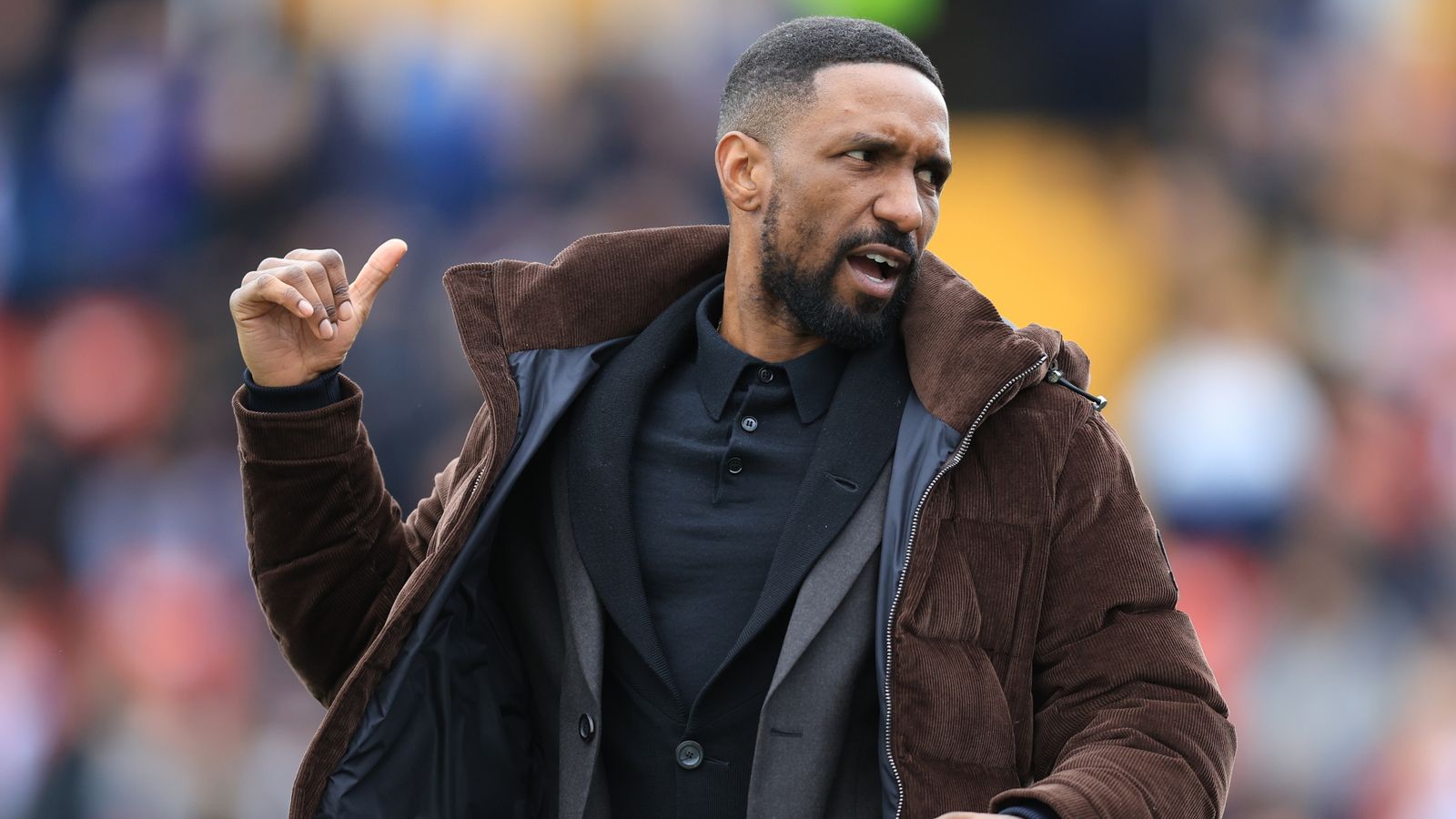
Jermain Defoe’s four-month managerial stint at Woking has collapsed in spectacular fashion. The National League club severed ties after the former Tottenham striker reportedly failed to appear for both a scheduled meeting and a training session.
This isn't an injury in the traditional sense, but the professional health of the club is currently in critical condition. Woking director of football Jody Brown confirmed there were "growing concerns" within the ranks long before the final departure notice was served.
The anatomy of a no-show
In the professional game, absenteeism is the professional equivalent of a ruptured achilles. Leadership relies on presence, and when a manager stops showing up, the organizational structure defaults to chaos.
Brown’s public remarks, as reported by Sky Sports, paint a bleak picture of the final days. The lack of communication during the build-up to training sessions left players and staff in limbo, undermining the preparation for upcoming fixtures.
People do not just fail to turn up.
That sentiment, expressed by the club hierarchy, highlights the severity of the bridge-burning that occurred this week. There is no recovery timeline for a manager who ghosts their squad, making this a permanent separation rather than a leave of absence.
Strategic damage and fallout
Woking now faces an immediate search for leadership with the season looming. For a National League side, stability is the only currency that matters; losing a high-profile name like Defoe in this manner introduces a massive layer of reputational risk.
The club claims the move was necessary to curb internal instability. As The Guardian noted, the "growing concerns" were systematic, suggesting that the training ground no-shows were merely the final drop in a bucket that had been filling for weeks.
Historical context suggests these splits are rarely one-sided, though the optics here are disastrous for Defoe’s burgeoning coaching career. Managers who walk away from their duties often find themselves blacklisted by boards who prioritize reliability over pure star power.
Missing the mark on transition
The failure to manage this transition gracefully reflects poorly on both parties. If the club had internal concerns months ago, the inability to align expectations until the point of total silence shows a complete lack of administrative foresight.
Woking enters this period of flux with a 0 percent continuity rate. The board must now move fast to install a figure who can restore order before the early league table begins to take shape. For Defoe, this serves as a harsh realization that his playing resume offers zero protection against the realities of senior football management.
While the player's former credentials are significant, the modern dugout demands accountability that persists through the duration of a contract. This tenure lasted 120 days, a blink of an eye in the life of a professional club. The fallout has been swift and the path forward for Woking involves significant remediation of their internal team culture.