The rotation behind the mic
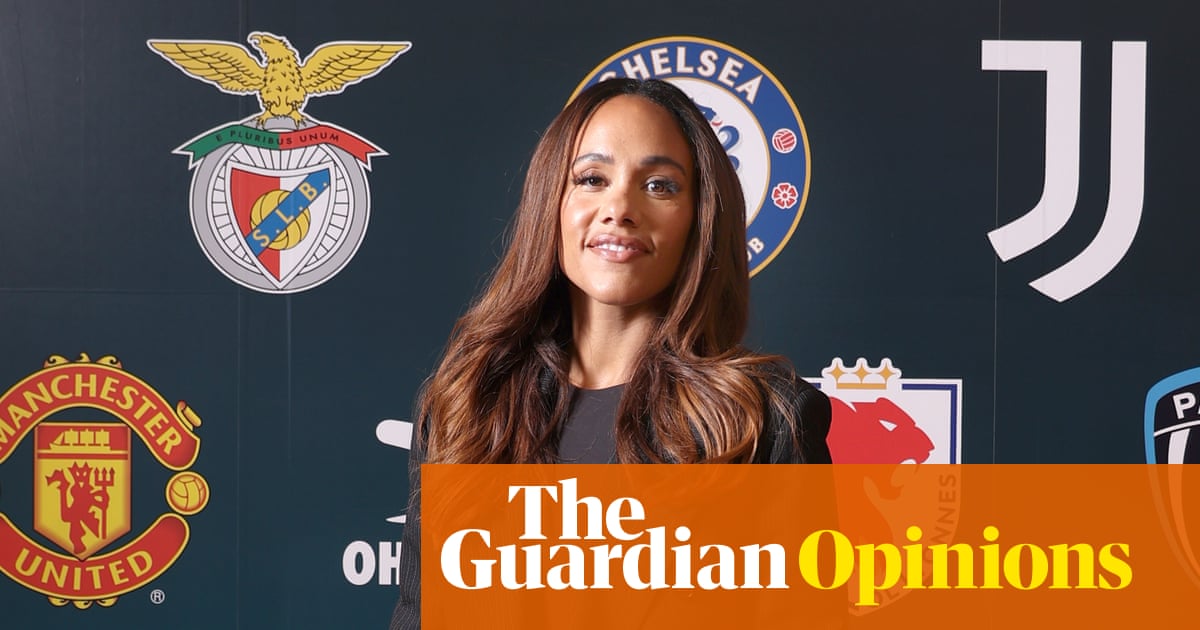
The English football broadcast space is currently navigating a quiet period of intense evaluation. With the upcoming season, Sky Sports mainstays like Kelly Cates are finding their positions under renewed scrutiny. As The Mirror reported, Cates has been candid about her professional relationship alongside BBC heavyweights like Gabby Logan and Mark Chapman. This isn't just about chemistry; it is about how the audience consumes the analysis of the 380 games scheduled for the 2026/27 campaign.
Cates has effectively navigated the transition from pitch-side reporter to anchor. Her recent public remarks regarding her peers at the BBC signal a readiness to shift the focus from the faces behind the desk to the quality of the technical discourse itself. Too often, pre-match coverage suffers from repetitive narratives that ignore the tactical evolution of the league.
The scrutiny of the pundits
Expectations for the returning season are high, yet the quality of analysis often lags behind the complexity of modern managers. We see coaches like Arne Slot and Enzo Maresca implementing sophisticated build patterns, yet the studio panel frequently reverts to tired tropes about desire and grit. If broadcasters want to remain relevant, they need to stop treating viewers like novices.
There is a recurring issue with how these networks deploy their talent. Pitting seasoned presenters against each other creates internal tension, but it often does little to improve the viewer experience. The focus should be on the granular details of the press and the transition triggers, not whether the presenter has a better rapport with a colleague than a rival network.
What to watch for in August
As the international break concludes and the league resets, the real test will be how the broadcasting teams integrate data-driven insights. It is one thing to show heat maps; it is quite another to explain the structural failure of a high line in the 72nd minute. Fans are demanding deeper context.
Predicting the rhythm of the season is difficult, but the media coverage often settles into a predictable pattern before october. I expect a shift in how Cates and her contemporaries handle the pressure of live analysis. They have the resources to move away from fluff and toward real dissection of the game. That is the only way to satisfy an audience that knows more than ever before.
The tactical shift
My prediction for the coming months is a more combative style in the studio. Journalists like Cates are clearly aware of the competitive optics involved, and that friction will push them to sharpen their delivery. The broadcasting standard is currently static, but expect the top-end coverage to pivot following the opening weekend.
The move toward data-backed segments is inevitable. Managers are moving toward hyper-specific tactical assignments, and if the pundits stay behind the curve, the broadcast will become nothing more than background noise. The pressure is on, and failing to adapt is not an option for the networks this season.