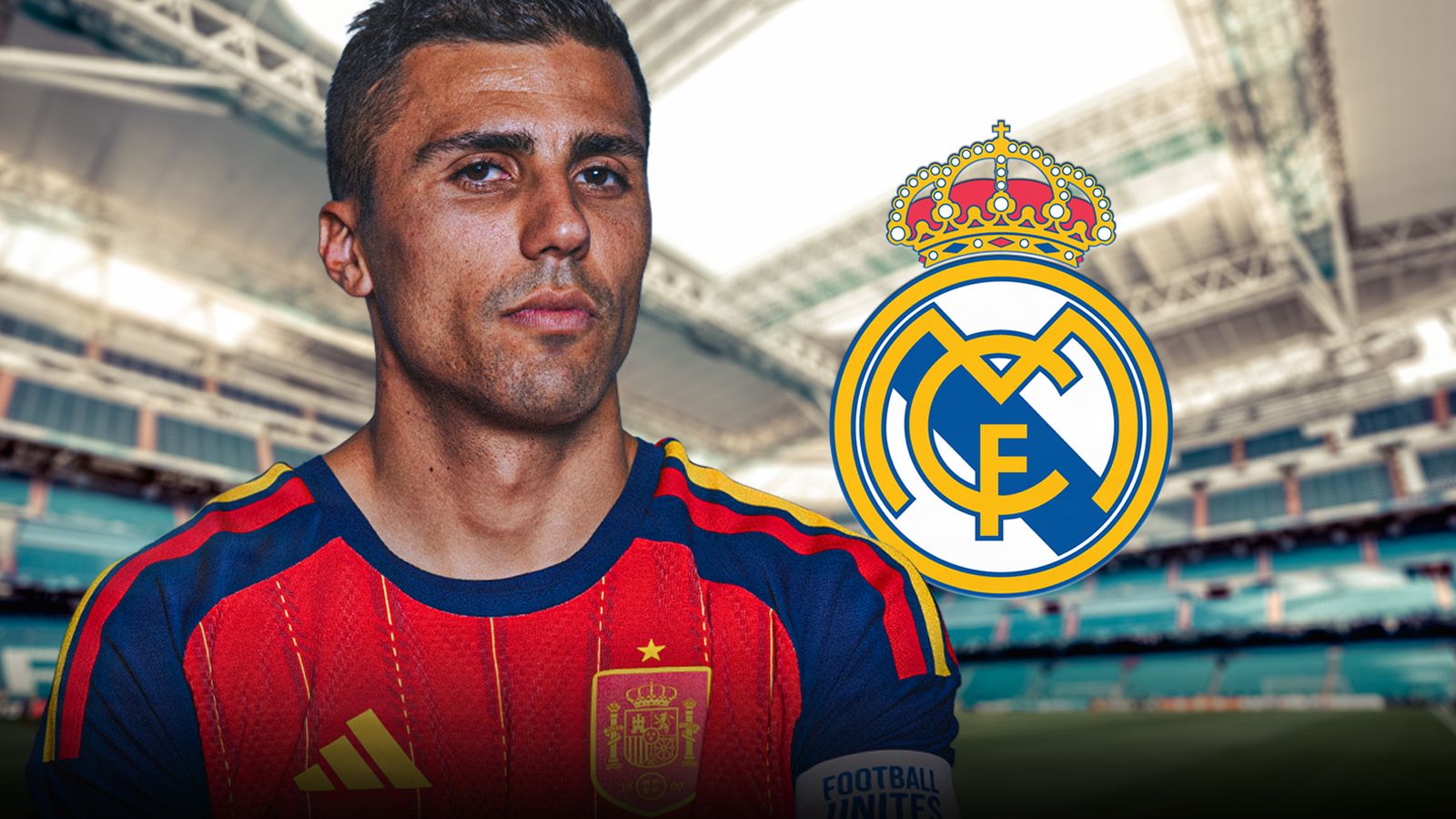
The statistical void of a missing anchor
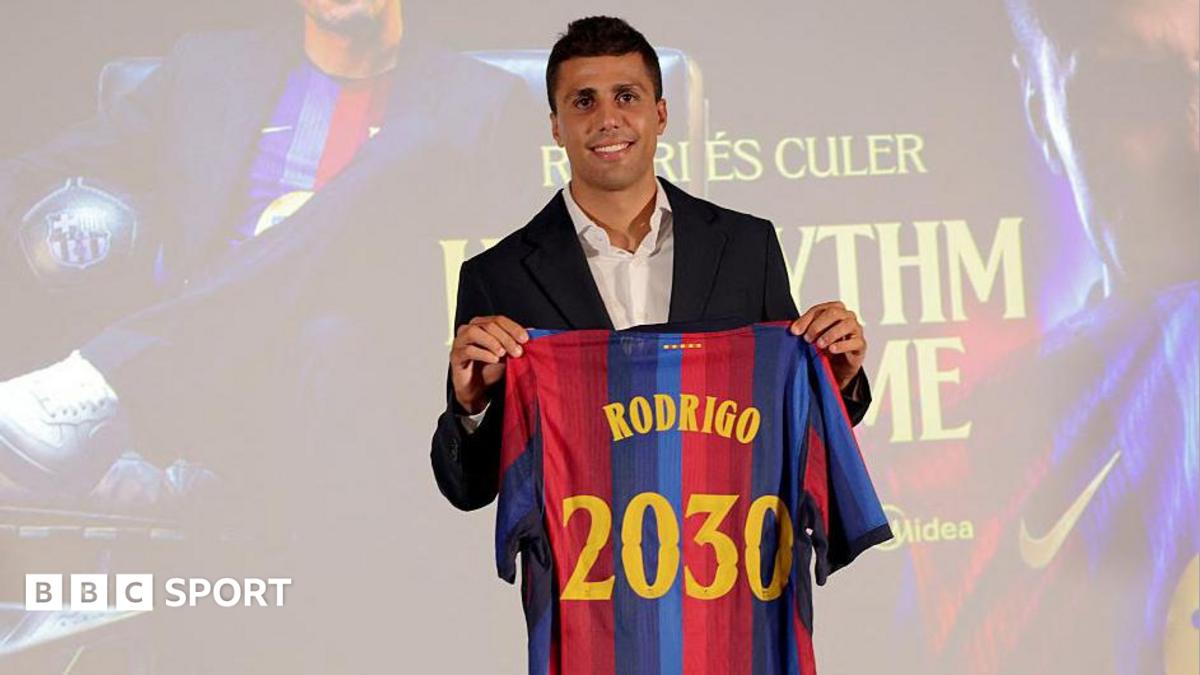
Manchester City’s reliance on Rodri is not merely tactical; it is mathematical. Since his arrival at the Etihad Stadium, the team's win percentage sits at 74% when he features, compared to a jarring 58% when he is absent. This 16-point differential represents the largest discrepancy for any single asset in the current Premier League era.
Defining the defensive floor
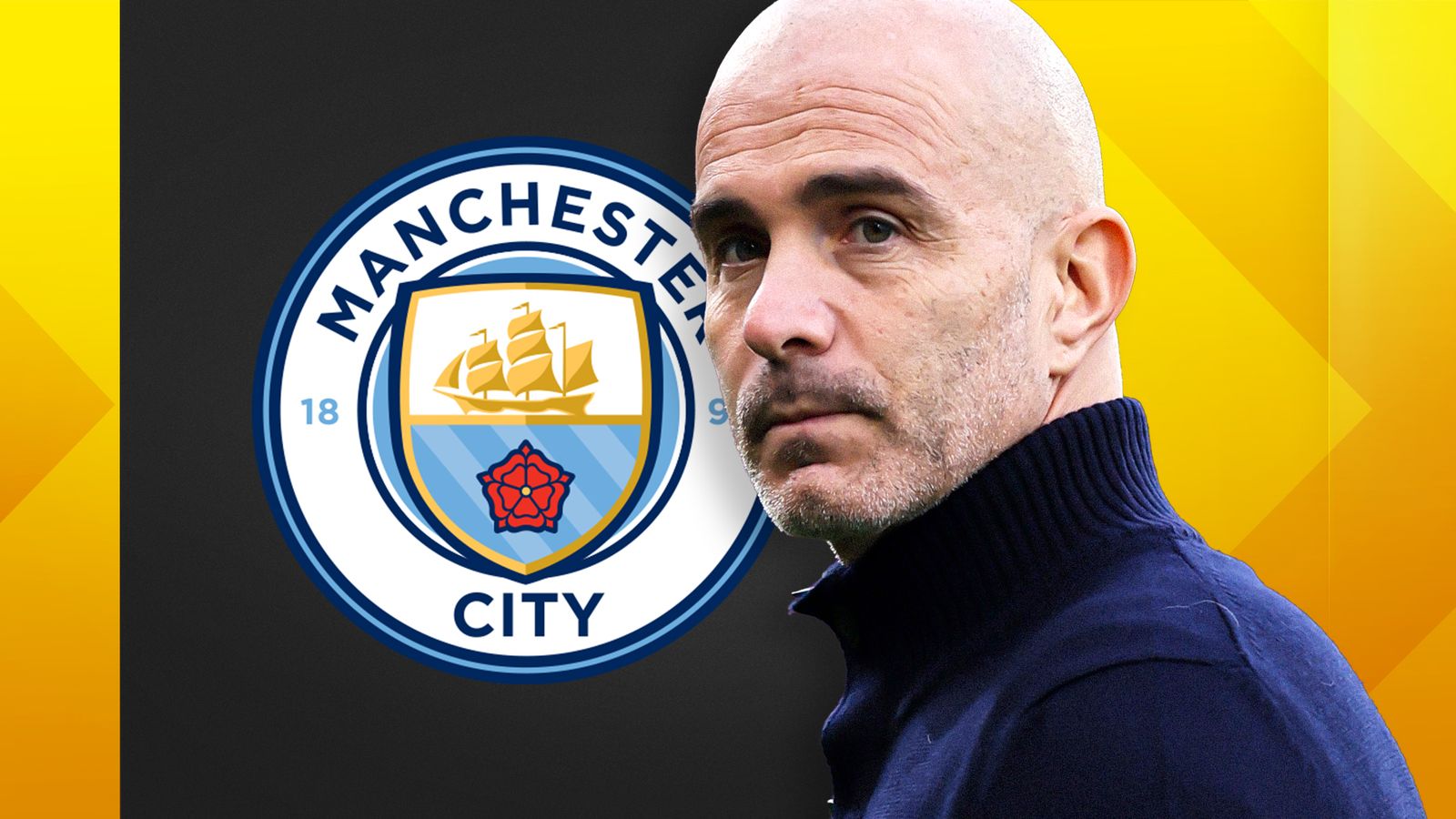
Rodri averaged 86 passes per match during the 2025/2026 season with a 93% completion rate. More revealing is his progression data. He successfully transferred the ball into the final third 7.4 times per 90 minutes. Without this central pivot, Enzo Maresca’s projected tactical setup faces an immediate regression in verticality.
We can look at the defensive metrics to quantify the risk of his departure. City conceded 0.8 goals per game with him on the pitch. That figure climbed to 1.4 goals per game over the same sample size when he was rotated out. This 75% increase in defensive vulnerability implies that internal replacements are not just inferior—they are structurally incompatible with Pep Guardiola’s defensive line.
The Maresca transition challenge
The recent reporting on a potential move to Real Madrid highlights a massive pivot point for the club. Enzo Maresca inherits a side that relies on Rodri for 102 touches per match. If the midfielder moves to Spain, City must pivot to a double-pivot structure just to mitigate the loss of spatial control.
The counterintuitive finding here is that City’s expected goals against (xGA) does not spike as much as their actual goals conceded. This suggests the issue isn’t necessarily tactical high-pressing, but individual error frequency under pressure. Rodri provides a buffer that allows teammates to play high lines. Without his transition recovery, the defensive unit collapses into a reactive posture.
The reality of the gap
Replacing a player who covers 11.2 kilometers per match is difficult. Replacing a player who wins 62% of his loose ball duels is nearly impossible in one window. The recruitment department will look for a volume passer, but no one in the 2026 market matches his specific profile of defensive shielding and offensive link-up.
If the £95 million valuation reported in recent accounts holds true, City might have the funds to buy players, but they cannot buy the stability Rodri provided. The team remains fundamentally tied to his presence. Losing such a high-volume output generator rarely results in a successful immediate transition to a new system.
Read Next
- Why Manchester City is risking everything by talking Rodri to Madrid
- Manchester City's midfield hinges on Rodri return schedule
- Man City are flirting with disaster if they sell Rodri
- Premier League pre-season Saturday will reveal who is actually ready
- 🇪🇸 Spain World Cup 2026 — La Roja Hub
- ⭐ UCL 2026 — Champions League Quarter-Finals Hub