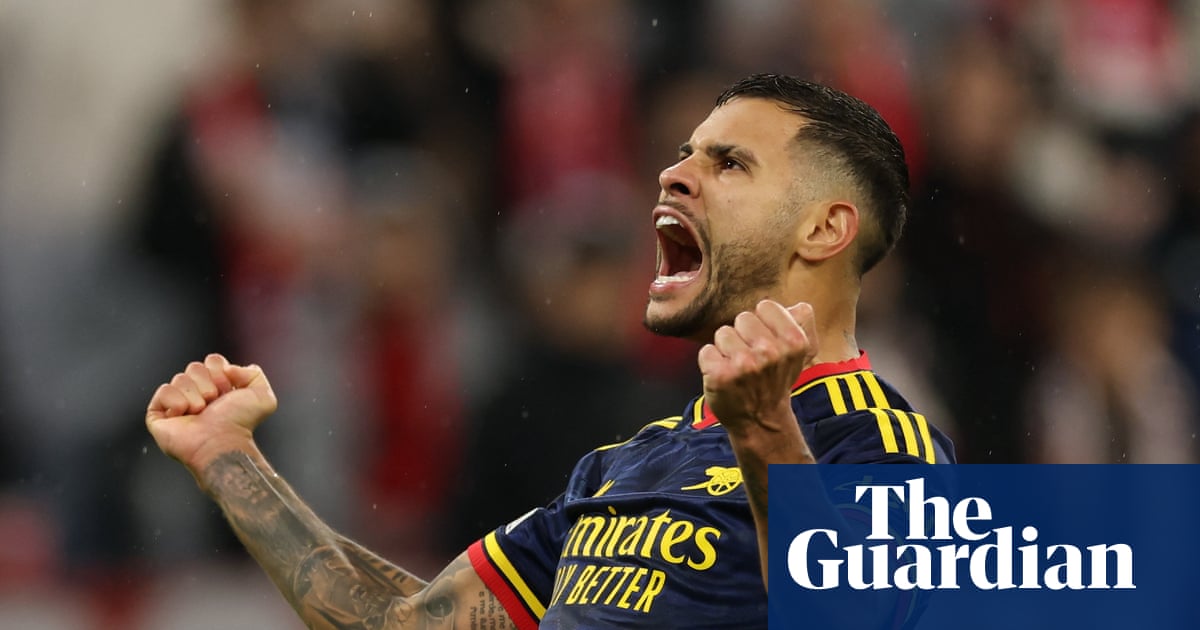
Fikayo Tomori represents Milan's looming personnel crisis
AC Milan is currently staring down a ticking clock regarding Fikayo Tomori. According to reporting by Gazzetta dello Sport, the club has roughly one month to lock down a contractual decision for the English defender. The options are binary: secure an extension, initiate a sale to recoup value, or prepare for the eventual reality of losing him as a free agent.
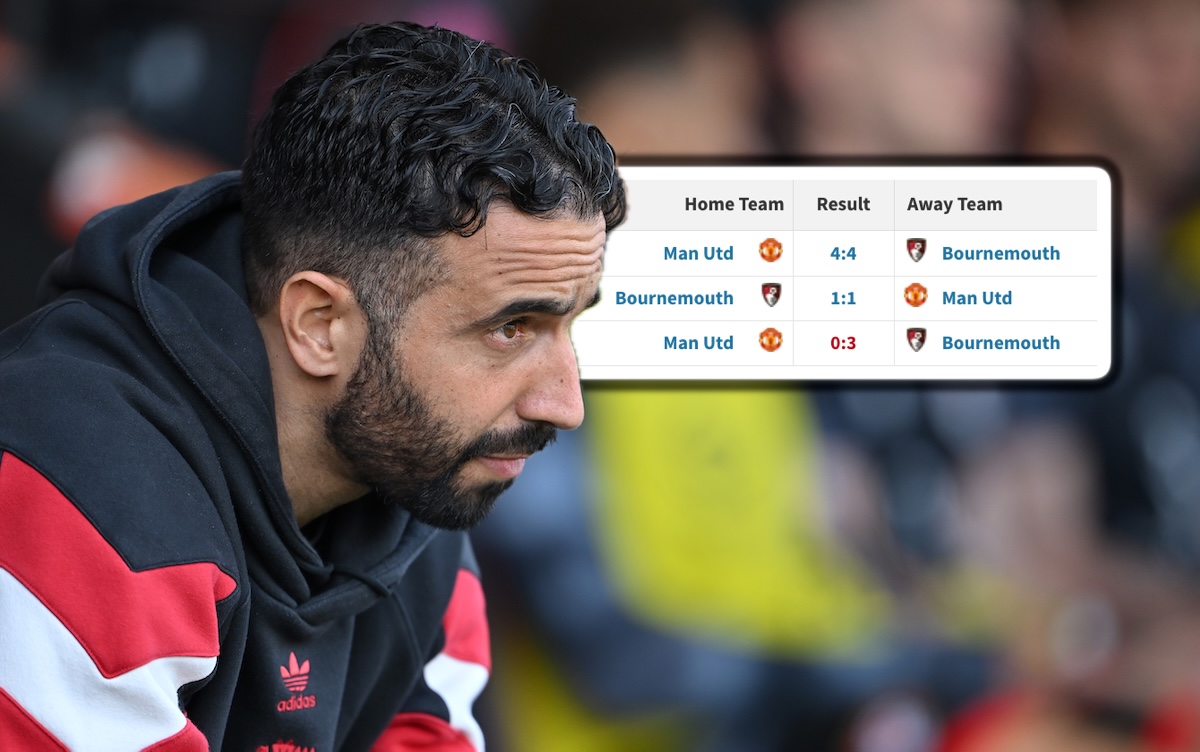
Management is clearly wary of letting his market value plummet. Keeping a high-profile asset through a contract stalemate serves nobody, especially when the goal is to fund the next wave of recruitment under Ruben Amorim. If they do not reach terms this August, the club effectively loses control of the negotiation table.
Mattia Liberali bets on Como over the Milan pipeline
Perhaps the most jarring move of the window is the decision by teenager Mattia Liberali to reject a return to the Milan youth setup. Instead, he has opted for the pathway at Como. It is an indictment of the current development track at Milan, suggesting that talented prospects are weighing their patience against the allure of immediate senior involvement elsewhere.
“Then we’ll see,” Liberali noted regarding his future path.
This is a tactical gamble for the youngster. By choosing Como, he is prioritizing minutes over the prestige of the youth hierarchy at a bigger club. If his output mirrors his development curve, he could quickly become a name the Milan board regrets letting slip out of their grasp. For now, he is chasing reality instead of a promise.
The Cisse situation highlights an internal identity struggle
Club executives are currently split over the future of Cisse. The discourse, again tracked by Gazzetta dello Sport, frames the decision as a test of the club's long-term philosophy. The talent is evident to those watching, yet the internal debate over his readiness suggests a lack of confidence in the current bridge between the primavera side and the first team.
This hesitation creates a dangerous limbo for the player. Leaving him to drift in the reserves is a waste of capital, while mismanaging his introduction could stall his growth entirely. The front office knows that failing to define his destiny now might force them into a frantic purchase later if depth becomes an issue.
Soule surfaces as the primary target for the Amorim era
The interest in Matias Soule has moved from casual scouting to a strategic priority. The logic holds up: Soule profiles as the specific wide attacker designed to meet the technical demands of Ruben Amorim’s current tactical blueprint. His ability to operate in narrow spaces matches what we saw during early transfer window maneuvering.
Securing him is not just about raw talent, but fit. Milan’s previous cycles have been marred by signing names that looked good on a spreadsheet but failed to function within the team’s shape. Soule has shown he can adapt, but the question remains whether the club can convince him that Saint Siro is the right staging ground for his prime years.
A critical look at the club's recent maneuvering
The overarching trend at Milan is a failure to streamline the talent pipeline. While the scouts are identifying players like Soule, the administration is tripping over internal policies regarding contracts for players like Tomori. Managing professional assets requires consistency, yet the club seems to treat every renewal as a potential soap opera.
Missing out on prospects like Liberali should serve as a warning. Relying on the club crest to attract and retain talent is a tactic that stopped working years ago in this league. If management cannot resolve the Tomori deadline and find a cohesive path for younger players like Cisse, the roster will remain in a state of perpetual transition.
As Sempre Milan points out, the next thirty days dictate the tone for the entire season. The window where they can be proactive is closing rapidly. Failing to act on the Tomori file will leave the sporting director with a mess that no amount of late-market buying will fix.
Meanwhile, the decision-making on younger talents remains inconsistent. Keeping Cisse in the dark while losing Liberali points to a lack of a unified vision. It is a disjointed approach that contrasts sharply with the calculated, if difficult, moves required to push for the top of the table. They are one bad month away from turning a potential rebuild into a full-scale crisis, and the clock is not stopping.
The club has managed to identify the correct targets for the manager's style, yet the underlying administrative drift remains visible. Following the developments linked to Cisse’s progress, it is easy to see why supporters are increasingly frustrated with the slow pace of integration. Efficiency in the transfer market is worth very little if the internal structure remains this brittle.