The long road back from the sidelines
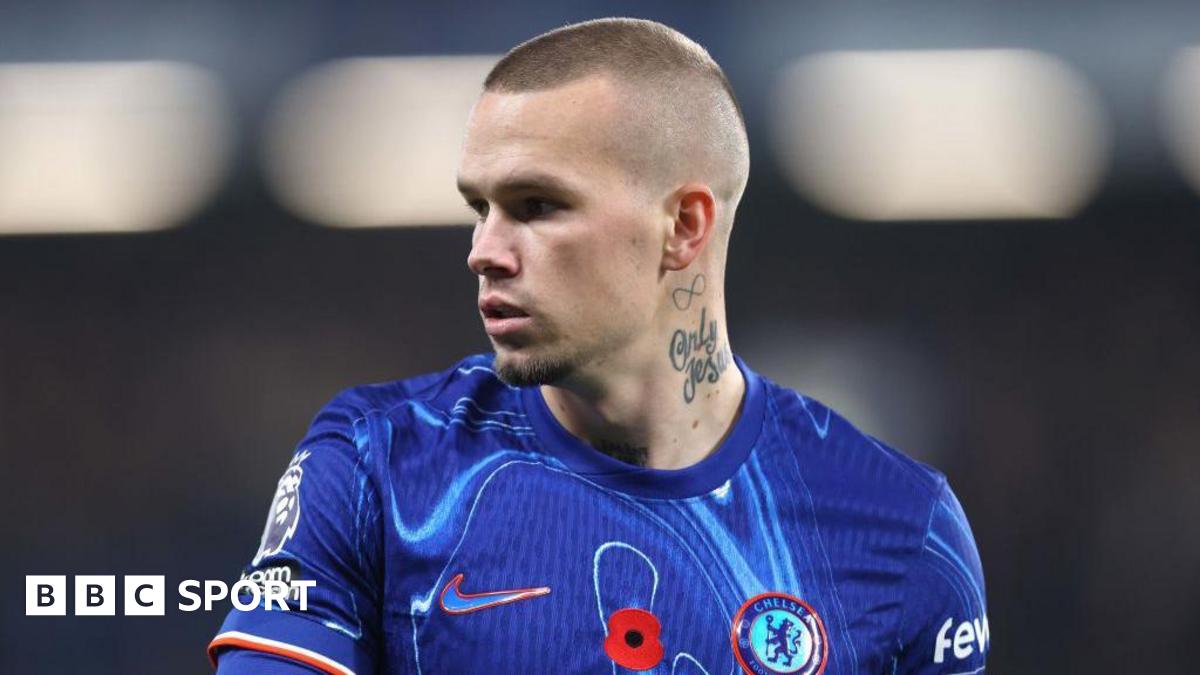
Mykhailo Mudryk is finally eligible to step back onto a pitch. After a doping ban that has kept him out of professional football since November 2024, the winger has successfully appealed to reduce his suspension. This is a massive personal victory for the player, who has spent nearly two years watching from the stands while his peers developed.
The sporting reality, however, is significantly colder. Chelsea is a completely different side from the one he left. The turnover in personnel and management at Stamford Bridge has been relentless. Expecting a player who has missed 20 months of competitive action to instantly reclaim his spot in a high-intensity Premier League squad is fantasy, not analysis.
The rust factor is non-negotiable
Football at the elite level is about spatial awareness and rhythm. Even with a perfect training regime, match fitness is a different animal. Mudryk relies heavily on raw pace and reactive dribbling, two attributes that typically suffer most when a player loses their tactical sharpness and game-readiness.
We have seen similar scenarios play out with other players returning from long-term layoffs. They often struggle with the physicality of the 90-minute shift. Chelsea’s current coaching staff has built a system that relies on fluid, rapid interchanges. A player who has been physically isolated for nearly two years will likely break the flow of the attacking transition, leading to turnovers and frustration.
Why the comeback is a depth play at best
Chelsea has heavily invested in younger, more cohesive units during Mudryk’s absence. While some supporters might hope for a revival of his 2024 form, that version of the team is effectively a memory. The current roster is built on high-press intensity and technical consistency, areas where Mudryk was notoriously erratic even before his suspension.
There is also the matter of locker room chemistry. The squad has moved on. Integrating a player who effectively missed the prime years of his development is a massive gamble for a manager under pressure. Unless he shows an immediate shift toward tactical discipline, he will likely be relegated to late-game substitute appearances or cup ties against lower-division opposition.
The club has been mired in inconsistency, and while the BBC reports his eligibility is restored, the path to the starting XI is blocked by talent that has logged thousands of match minutes while he was ineligible. It is a harsh assessment, but one backed by the basic math of development. A player who misses two years of high-level competition does not simply slot back in as if nothing happened.
The verdict for the upcoming season
My prediction is that Mudryk will struggle to reach even 20 percent of the expected impact most fans are dreaming of. He will likely be sold or sent on loan by the January window. He lacks the current tactical integration required for Chelsea’s primary 4-3-3 setup.
Managers at this level do not have the luxury of giving minutes to players who are essentially projects in 2026. Unless the medical staff reports a miraculous return to elite-level match stamina, he is destined to be a footnote in a season defined by a massive overhaul. Chelsea needs results now, and this return is a complication, not a solution.