Jimenez Super-Sub Stunner Caps Wolves Late Physical Domination
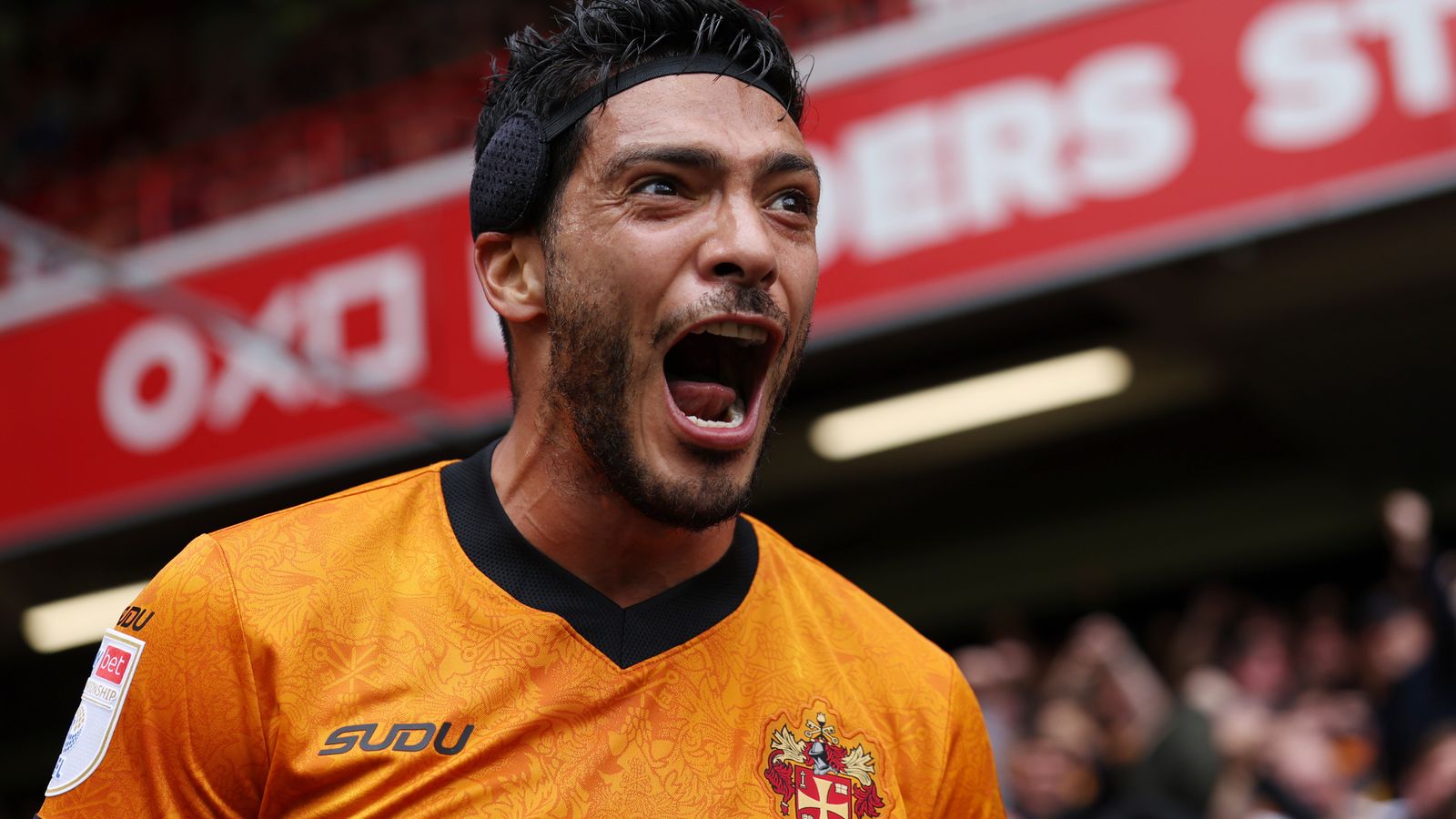
Fresh legs decided an exhaustive physical battle in Yorkshire on Sunday afternoon. Raul Jimenez stepped off the bench in the second half and swept home a 90th-minute winner to secure a 1-0 victory for Wolverhampton Wanderers over Sheffield United at Bramall Lane.
The decisive sequence unpicked a tired Blades backline in the closing moments of regulation time. Brazilian midfielder Andre initiated the move by locating veteran full-back Kieran Trippier out wide. Trippier quickly shifted the ball inside to Tommy Doyle, who spotted Jimenez finding space between Sheffield United center-backs before the Mexican international swept home his third goal of the season.
Cesar Peixoto planned this workload strategy specifically to capitalize on late physical drops from opposition defenders. Jimenez has seen his minutes strictly managed this campaign to protect his muscular recovery and maintain explosive sprint output. By introducing him into high-stress late-game scenarios, Wolves preserve his finishing sharpness when opponents tire.
The result leaves Chris Wilder searching for urgent answers regarding his side's offensive stamina and physical engine. According to match statistics from Sky Sports, Sheffield United struggled to sustain any meaningful forward momentum during the initial 45 minutes of play.
Sheffield United Physical Paralysis and First-Half Stagnation
Sheffield United displayed troubling signs of physical and tactical fatigue right from the opening whistle. The Blades recorded just two touches inside the opposition penalty box throughout the entire first half. That lack of penalty-area entries resulted in a miserable 0.06 xG output before the break.
Wilder opted for a deep defensive block designed to conserve physical energy against Wolves' dynamic midfield unit. However, that passive setup left debutant Jordan Ayew isolated on the right flank. Ayew provided brief energetic sparks, including a driven cross-shot that flashed inches past the far post, but overall physical service remained scarce.
Wolves controlled the physical tempo through Marshall Munetsi, who repeatedly attacked space between Sheffield United's defensive lines. While Blades goalkeeper Michael Cooper avoided heavy workload during early exchanges, United outfield players burned vital stamina covering defensive ground without creating relief on the ball.
Historical data underscores how unusual this defensive stalemate was for Bramall Lane. Sheffield United had both scored and conceded in 14 of their last 15 Championship fixtures at home before Sunday's clash. Failing to register a single goal highlights an acute breakdown in forward physical output and attacking transition speed.
Controversial Officiating and Second-Half Defensive Strain
The physical dynamic shifted dramatically five minutes after the restart. Mateus Mane flicked a header toward the target, only for Mark McGuinness to block the trajectory with an outstretched arm inside the penalty area. Referee Rob Jones turned down aggressive handball appeals and awarded only a corner kick to the visitors.
Replays confirmed United escaped severe punishment during that critical defensive breakdown. Sky Sports co-commentator Gary Rowett expressed sharp criticism over the officiating decision during the live broadcast.
blockquote>"His arm comes out, it hits him on the end of the arm. I think Sheffield United have probably got away with one there."That missed call temporarily preserved parity, but it forced Wolves to maintain relentless physical pressure. Peixoto responded by activating his bench, introducing fresh energy to exploit Sheffield United's sagging defensive structure. As detailed in the official Sky Sports match report, Jimenez proved to be the ultimate difference-maker.
Bench Depth and High-Intensity Running Metrics
Modern Championship schedules place immense physical strain on squad depth, making mid-game tactical shifts paramount. Peixoto's decision to hold Jimenez back until the final quarter of the match exposed clear aerobic gaps in Sheffield United's back four. As defender leg speed declined, Jimenez repeatedly found pockets of space behind McGuinness.
The buildup to the winning goal demonstrated superior physical coordination among Wolves' late substitutes and starters. Andre provided the anchor in midfield, allowing Trippier and Doyle to overlap into advanced positions without risking counter-attack vulnerability. That structural balance ensured Wolves maintained high pressing intensity until the final whistle.
In contrast, Sheffield United appeared physically spent well before Jimenez scored. Wilder's side lacked the stamina to mount a response during stoppage time, finishing the match without a single shot on target in the closing stages. Managing squad fatigue will dictate whether the Blades can stay competitive in the promotion race.
Medical Conditioning and Squad Rotation Protocols
From a sports science perspective, Peixoto's handling of Jimenez represents a masterclass in workload management. Returning from long-term physical recovery requires precise load monitoring to prevent recurring muscular strains or joint compensation issues. Limiting Jimenez to substitute appearances protects his hamstring and calf health during congested fixture periods.
Wolves' medical staff tracks three critical conditioning variables to ensure maximum physical efficiency on matchdays:
- High-speed sprint distance capped during weekly training cycles.
- Controlled sub-30 minute matchday exposures for soft-tissue preservation.
- Accelerated post-match muscle recovery and cryotherapy sessions.
Sheffield United must adopt similar load monitoring protocols if they hope to reverse their recent slump. Relying heavily on aging starters without sufficient squad rotation leads to late-match defensive collapses. Wilder must balance tactical discipline with physical freshness across a grueling 46-game campaign.
Strategic Implications and Medical Outlook for Both Clubs
Managing veteran physical profiles is rapidly becoming Peixoto's greatest tactical advantage in the division. Jimenez does not need to log 90 minutes every weekend to produce match-winning contributions. Restricting his exposure to 30-minute impact shifts limits soft-tissue fatigue while maintaining elite finishing quality.
For Sheffield United, the physical alarm bells are ringing loud. Wilder's squad looked completely drained of energy during the final 15 minutes of play. When team pressing intensity drops so precipitously late in matches, late concessions become inevitable.
The contrast in conditioning strategy between the two clubs could not have been starker on Sunday. Wolves engineered a deliberate progression from Munetsi's early runs to Doyle and Trippier's late service. Sheffield United simply ran out of breath trying to survive until the final whistle.
Wolves now possess a proven blueprint for away fixtures in demanding environments. Expect Peixoto to maintain this exact minute restriction protocol for Jimenez in upcoming Championship matches. For United, immediate physical recovery and tactical recalibration are mandatory before their next outing.
Read Next
- Jimmy-Jay Morgan's West Brom move is paying off faster than expected
- The Death of Consensus: Tactical Chaos, Strategic Re-engineering, and the Compressed Premier League
- Outside the Temple: Mourinho’s Myth, Concacaf Realignment, and the American Soccer Mind
- Liverpool told Lamine Camara to wait, but Iraola needs him right now
- 🇲🇽 Mexico World Cup 2026 — El Tri Hub
- 🏟 EFL Championship 2025-26 — Promotion Race & Play-Off Final Hub