The raw numbers from the terraces
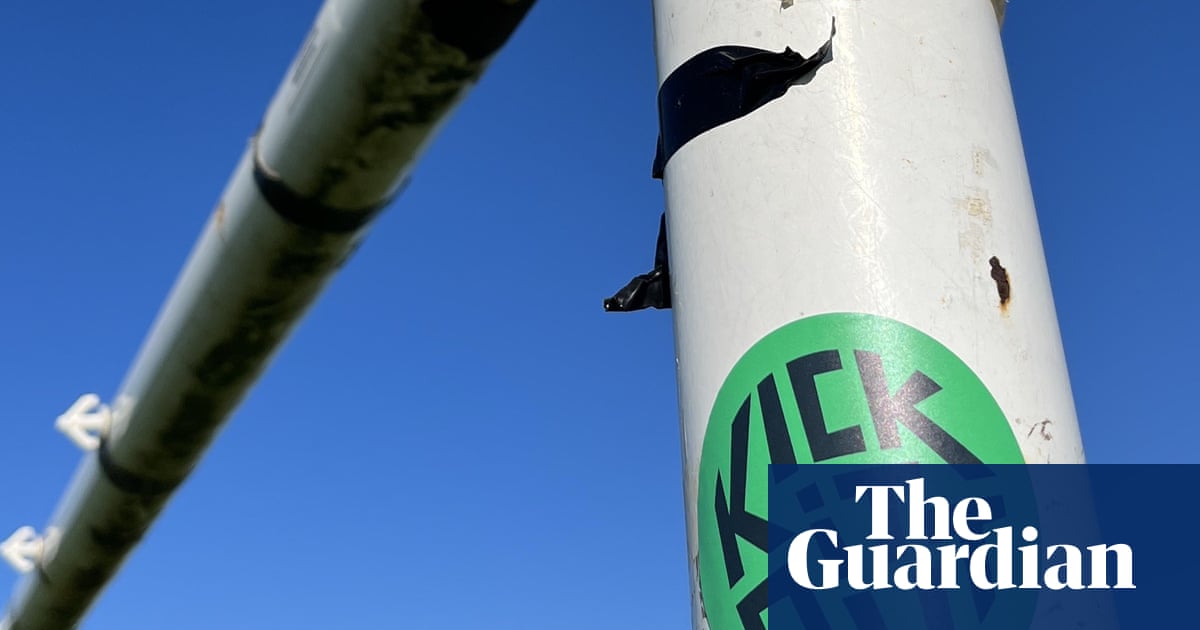
English football faces a grim mathematical reality this week. As reported by Kick It Out, reports of discriminatory abuse have climbed to a new peak. The most alarming trend? Anti-immigrant chanting, which accounted for 39 reported incidents last season alone.
This isn't an isolated spike. Discrimination complaints have risen for the fifth consecutive year, signaling that the pre-match messaging and public awareness campaigns are failing to penetrate the core of the problem. We are seeing a 22% increase in overall report volume compared to the 2024-2025 season.
Where the enforcement logic breaks down
There is a specific disconnect between the stadium bans and what happens on the pitch. While clubs have invested heavily in high-definition CCTV arrays and biometric entry systems, the actual conversion rate from an audio report to an identity-verified arrest remains stubbornly low. In the professional leagues, out of the hundreds of incidents logged by stewards and independent monitors, fewer than 15% resulted in a direct club-issued lifetime ban.
Grassroots football is arguably in a worse position. Unlike the Premier League, where centralized resources allow for a quicker response, local leagues lack the administrative backbone to push these cases through the regional FA offices. The data shows that report rates in the amateur divisions have doubled since 2021, yet resource allocation for on-site monitoring has remained flat.
The hidden cost of report fatigue
The numbers suggest a counterintuitive reality regarding match-day atmosphere. Even as monitoring software and reporting apps become more accessible to fans, the sheer volume of hate speech is outpacing the capability of match commanders to address it in real-time. Fans are reporting more, yet the atmosphere is statistically more hostile than it was five years ago.
We have to question the efficacy of the current disciplinary framework. When a 40% year-over-year rise in reported abuse only generates a marginal increase in successful prosecutions, the incentive structure for perpetrators remains effectively broken. Club executives might claim their reporting channels are robust, but 39 distinct cases of xenophobic chanting shouldn't be met with press releases alone.
The sharp rise in anti-immigrant chanting underscores the urgent need for a more coordinated strategy within the game.
The failure here isn't just about the individuals chanting; it is about the structural inability of the league and local associations to treat these reports as actionable intelligence rather than PR liabilities. If you are a fan who sees an 8% rise in visible bigotry at your local ground, a hashtag on the jumbotron is not a sufficient response. We need to see significant fines, point deductions for repeat offender clubs, and real-world consequences that outweigh the tribal desire to scream abuse from the stands.