
Rúben Amorim's AC Milan rotation gamble faces immediate Benfica test
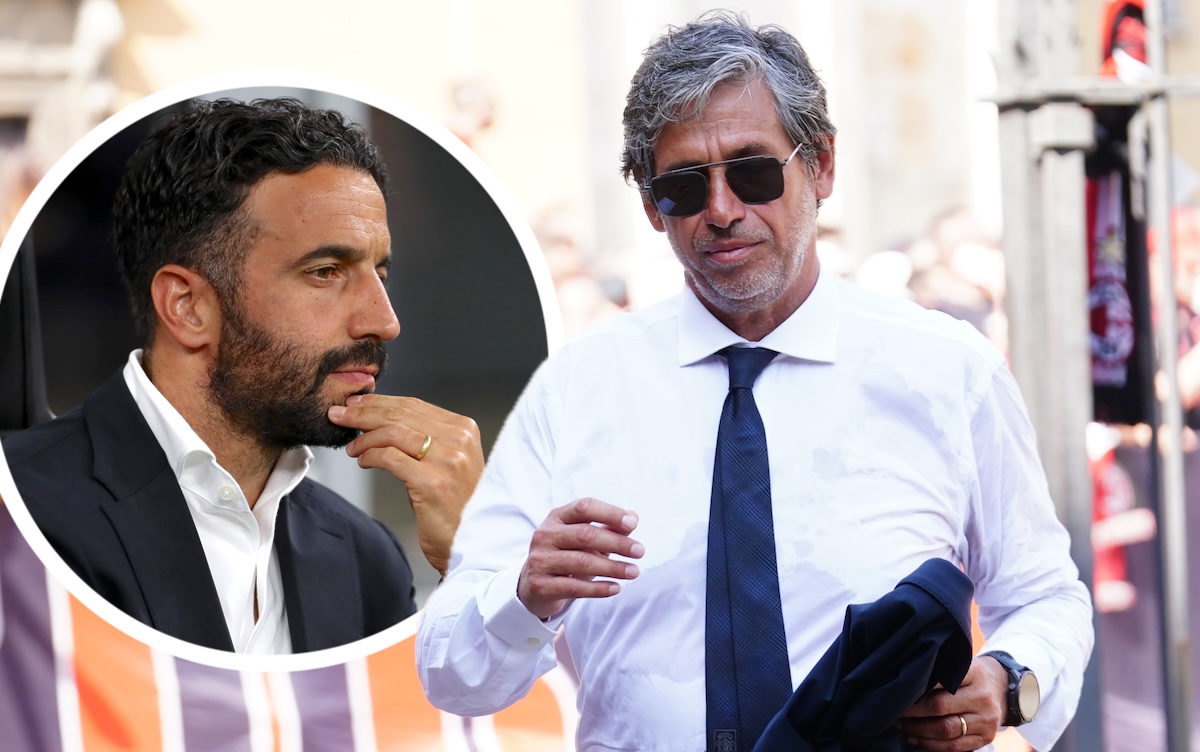
Amorim's five changes and the Lazio hangover
When Rúben Amorim replaces five outfield starters after a wild weekend draw, he is sending an unmistakable message to his squad. AC Milan dominated large stretches of possession against Lazio, but defensive gaps cost them dearly in a 2-2 stalemate. Now, Benfica arrive at San Siro for the Europa League opener with Milan still trying to find their footing.
Swapping half the outfield team for a major European fixture is a calculated gamble. It shows Amorim is quick to punish defensive lapses, but it also reveals a manager still searching for his best team. Line-up changes on this scale can easily disrupt mid-match communication, especially against an experienced European side.
Benfica do not sit back and defend inside their own half. They press high up the pitch, attack with vertical speed, and target full-backs who hesitate in transition. For a Milan defense that unravelled twice in Rome, this fixture represents a severe test of discipline.
Former Rossoneri midfielder Demetrio Albertini gave a clear assessment of the challenge during an interview with Corriere della Sera. Speaking via MilanVibes, the club legend noted that Benfica's visit comes at an uncomfortable moment for the home team.
blockquote>“A fascinating but tricky match awaits us. Perhaps it would have been better to challenge the Portuguese later in the match, considering that Amorim is still working on finding the right tactical setup.”
Albertini points to the core issue currently facing Milan. Amorim is trying to install complex positional principles while under pressure to win matches in Serie A and Europe simultaneously. When spatial habits are not fully ingrained, mistakes happen under pressure.
Both Milan and Benfica enter the tournament among the oddsmakers' favourites to lift the trophy. That expectation puts immediate heat on this opening match at San Siro. Dropping points at home in game one would force Milan into early damage control.
Amorim and striker Gonçalo Ramos know Benfica inside out from their years in Portuguese football. That inside knowledge offers valuable scouting points on individual habits and preferred set-piece routines. However, knowing how an opponent plays is useless if your own backline lacks structural clarity.
In European competition, minor lapses in coverage lead directly to conceded goals. Milan cannot afford the wide defensive gaps that Lazio exploited repeatedly last weekend. Every defensive handover must be crisp and prompt.
Bartesaghi replaces Estupiñán on the left flank
The most consequential selection decision occurs at left wing-back, where Pervis Estupiñán has been dropped to the bench. The Ecuadorian defender endured a nightmare evening in Rome, taking heavy blame for both Lazio goals. His inability to track far-post runners left Milan completely exposed.
On Lazio's opening goal, Estupiñán failed to scan behind his back shoulder as the cross came in. That spatial blind spot allowed his marker an easy header into the net. Defensive errors of that caliber leave a manager little choice but to make a change.
In Estupiñán's place, Amorim hands a starting role to 20-year-old Davide Bartesaghi. This marks Bartesaghi's first European start, having previously made only a brief substitute appearance against Feyenoord in the 2024-25 Champions League. His last domestic start came against Venezia, making this a huge leap in pressure.
Speaking to Sky Italia prior to kickoff, as reported by PianetaMilan, Bartesaghi reflected on his opportunity. The youngster recognized the scale of the moment while maintaining a grounded approach to his assignment.
blockquote>“We are all important players for the team. It’s a pleasure to play these games; you dream about them as a kid.”
When asked about his specific tactical responsibilities under Amorim's system, Bartesaghi offered a key insight into how the manager expects his wide defenders to operate on the pitch.
blockquote>“It’s more or less the same thing, maybe I’m a bit more inside the penalty box in attack, but the role is the same.”
That brief comment highlights a critical element of Amorim's tactical design. Under the Portuguese coach, the left wing-back is not confined to hugging the touchline. Instead, he must tuck into central spaces and attack the box when play develops down the opposite side.
This narrow positioning adds extra numbers inside the penalty box, but it places extreme physical demands on the defender. If Bartesaghi gets caught high upfield during a turnover, Benfica's wingers will attack the empty space behind him. A high-level European side will punish slow tracking back within seconds.
However, Bartesaghi brings far better defensive habits when tracking aerial balls to the back post. If the young Italian can solidify his defensive duties while contributing to forward overloads, he has a real chance to claim the starting left-back spot permanently.
Estupiñán now faces a long path back into the starting team. For Bartesaghi, this match is a rare opportunity to turn a spot start into a career breakthrough.
Modrić's poise, Pulisic's form, and Camarda's service
While the left side of defense undergoes major surgery, Milan's central midfield relies on the authority of Luka Modrić. The veteran Croatian continues to dictate matches through precise body positioning, clever spatial awareness, and vertical passing choices.
Albertini highlighted Modrić's value as a steadying force for Amorim's transitional team. Recalling a conversation with Modrić at the Gran Galà del Calcio, Albertini emphasized how eager the midfielder remains to lead Milan forward.
blockquote>“Luka Modrić is there, and that alone guarantees enormous depth. During the Gran Gala del Calcio, I had the chance to chat with him and I saw that he was truly committed and enthusiastic about wearing the AC Milan shirt.”
Modrić's main duty against Benfica is controlling tempo and relieving pressure. When Benfica apply their intense press, Modrić's ability to turn out of trouble and hit forward passes prevents Milan from getting pinned inside their own half.
Further up the pitch, Christian Pulisic provides the direct attacking threat that Milan missed during passive spells against Lazio. Pulisic took time to establish his rhythm under Amorim following physical and mental fatigue from World Cup duty with the United States.
Albertini noted that Pulisic is regaining his sharpest condition. The American's capability to drive through central half-spaces and beat defenders off the dribble remains vital for unlocking rigid European defenses.
Yet all that midfield progression relies on having a lethal presence to finish chances inside the penalty box. Albertini was explicit about how Amorim must utilize young striker Francesco Camarda against Benfica and throughout the season.
blockquote>“We’re talking about a top-class centre-forward, who I’m completely convinced by. His supporters can rest assured: the key will be to consistently serve him in the penalty area.”
Camarda possesses exceptional instinct, aerial timing, and sharp movement between center-backs. However, a teenage striker cannot influence matches if he is forced to drift out to the touchlines to pick up loose passes.
The obligation falls directly on Milan's wing-backs and attacking midfielders to feed Camarda inside the box. If Modrić dictates play, Pulisic penetrates, and crosses land consistently in the area, Camarda will deliver goals.
The missing trophy and the trap of roster churn
Beyond early group standings, this match carries significant weight for Milan's club identity. Despite their rich European history, the Europa League remains the single major continental trophy absent from San Siro's cabinet.
That missing silverware represents a noticeable gap in the club's trophy room. Winning this competition is a clear goal, but chasing short-term success can backfire if management loses sight of long-term squad stability.
Albertini offered a strong warning regarding Milan's transfer strategy in recent years. Reflecting on his own emotional 2006 farewell match against Barcelona surrounded by iconic teammates, he stressed that great teams are built on continuity rather than constant squad turnover.
blockquote>“My support for these colours is visceral. I hope the club can consolidate a solid structure and avoid shaking up the roster every transfer window: identity and a sense of belonging are built progressively over time.”
Albertini's critique hits a sensitive topic for Milan fans. Rebuilding the squad every summer forces managers to constantly teach basic structural habits from scratch, destroying team chemistry and tactical consistency.
Amorim must resist quick-fix solutions and focus on developing the talent already at his disposal. Young prospects like Bartesaghi and Camarda require consistent minutes and clear roles to reach their full potential.
At the same time, Albertini made it clear that Milan cannot treat the Europa League as a secondary concern or a distraction from domestic goals. The competition offers vital experience for a squad learning to win under European pressure.
blockquote>“At the same time, the Europa League should definitely not be overlooked: it’s a formative test for the younger players, as the international stage instills maturity and self-awareness.”
Benfica represent the perfect opponent to gauge Milan's readiness. The Portuguese giants bring European pedigree, sharp pressing, and tactical discipline to San Siro.
For Amorim, this fixture is an early test of his management. Dropping Estupiñán shows accountability, while trusting Bartesaghi demonstrates faith in youth under pressure.
If Milan maintain shape down the left, control the tempo through Modrić, and serve Camarda inside the box, they can secure a significant opening victory. Tactical theories mean nothing without execution, and San Siro will expect a performance that matches the club's European legacy.
Read Next
- Ruben Amorim's heavy rotation against Benfica is a dangerous gamble
- Ruben Amorim needs 15 points in Europe to fix Milan's domestic slump
- Porto and Benfica are stumbling into a high-stakes O Classico
- Sunderland return to Europe after 53 years into UEFA's midweek experiment
- 🦅 Primeira Liga 2025-26 — Benfica, Porto & O Clássico Hub
- ⚽ Serie A 2025-26 — Title Race Hub (Inter, Napoli, Juve, Milan)
- 🦅 Primeira Liga 2025-26 — Benfica, Porto & O Clássico Hub
adidas Men's Tiro 21 Track Pants
The iconic global uniform for soccer training and casual matchday style.
Frequently Asked Questions
Why did Rúben Amorim make five changes for the Benfica match?
Who replaced Pervis Estupiñán in AC Milan's starting lineup?
How do Rúben Amorim and Gonçalo Ramos know Benfica?
What did Demetrio Albertini say about AC Milan playing Benfica?
How does Benfica's playing style test AC Milan's defense?
More Coverage
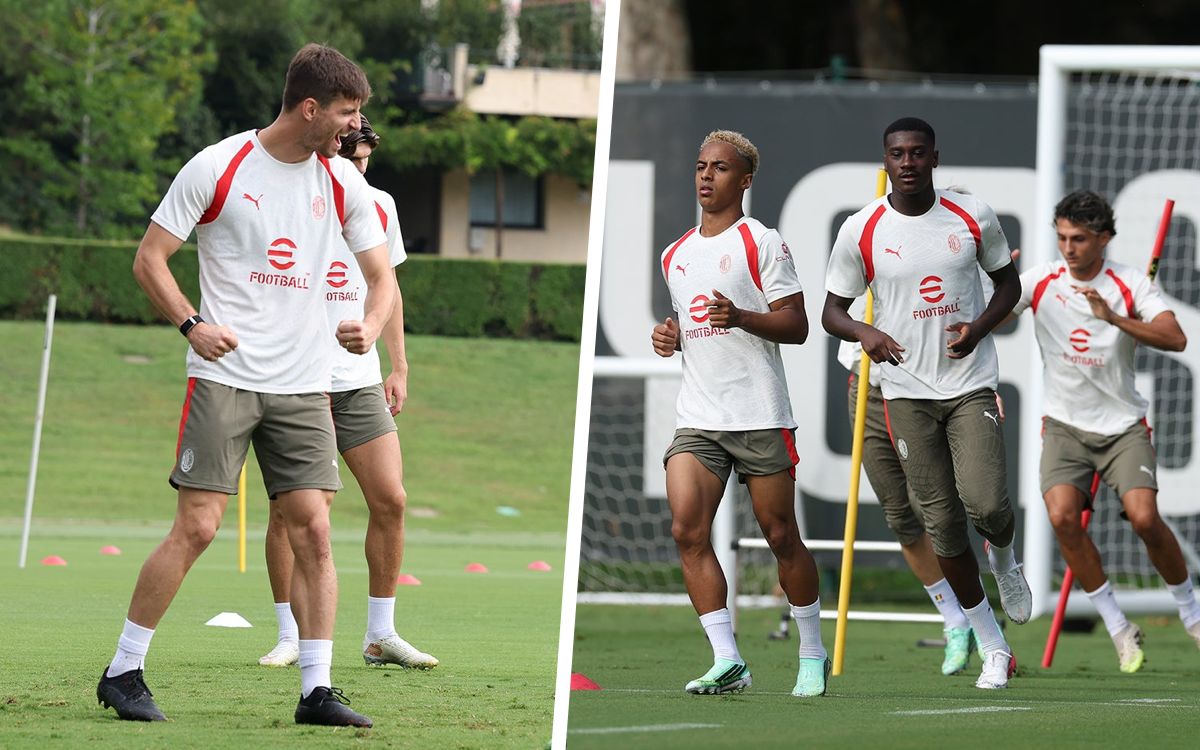
Ruben Amorim's heavy rotation against Benfica is a dangerous gamble
11 hours ago
Sunderland return to Europe after 53 years into UEFA's midweek experiment
1 day, 11 hours ago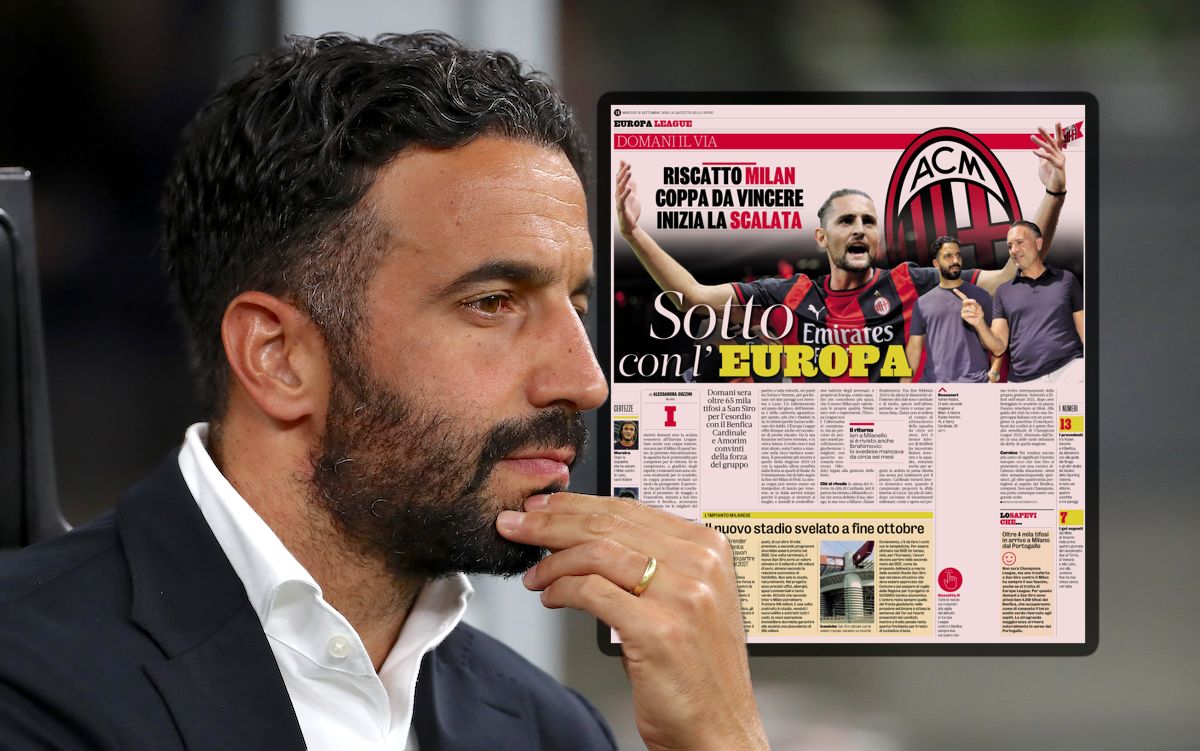
Ruben Amorim needs 15 points in Europe to fix Milan's domestic slump
1 day, 11 hours ago
Porto and Benfica are stumbling into a high-stakes O Classico
2 days, 10 hours ago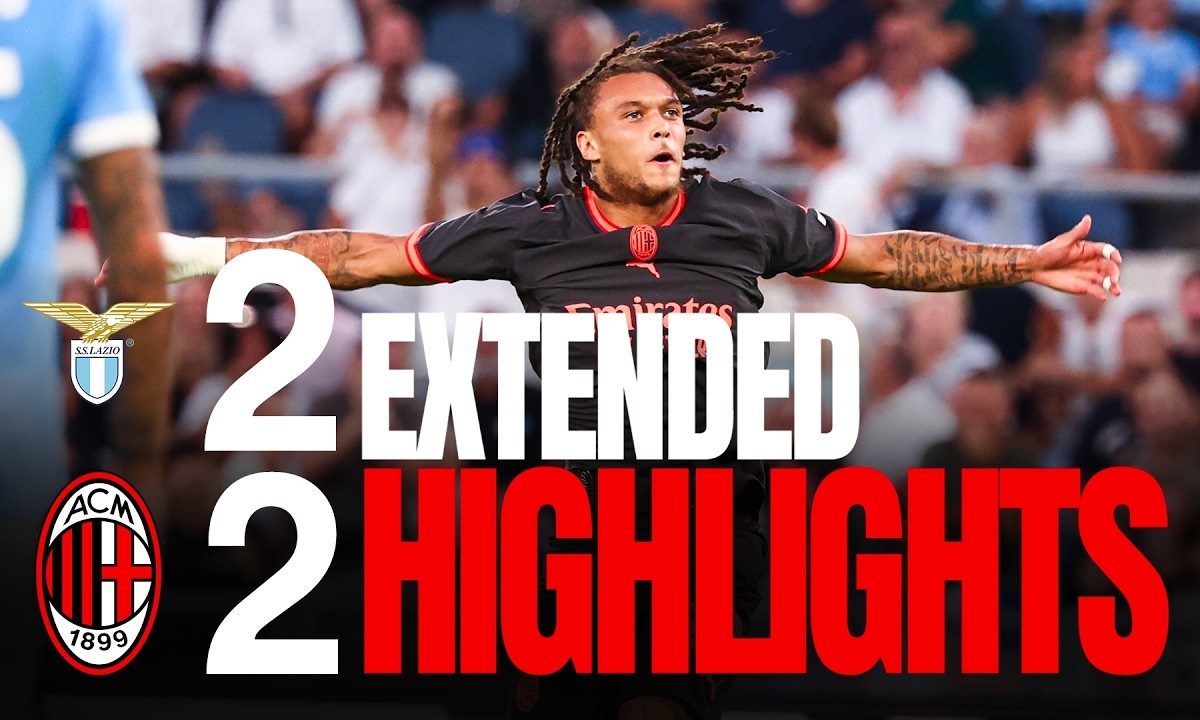
Bruno Guimaraes Shows Arsenal Growth as Milan Suffer Self-Inflicted Chaos
2 days, 19 hours ago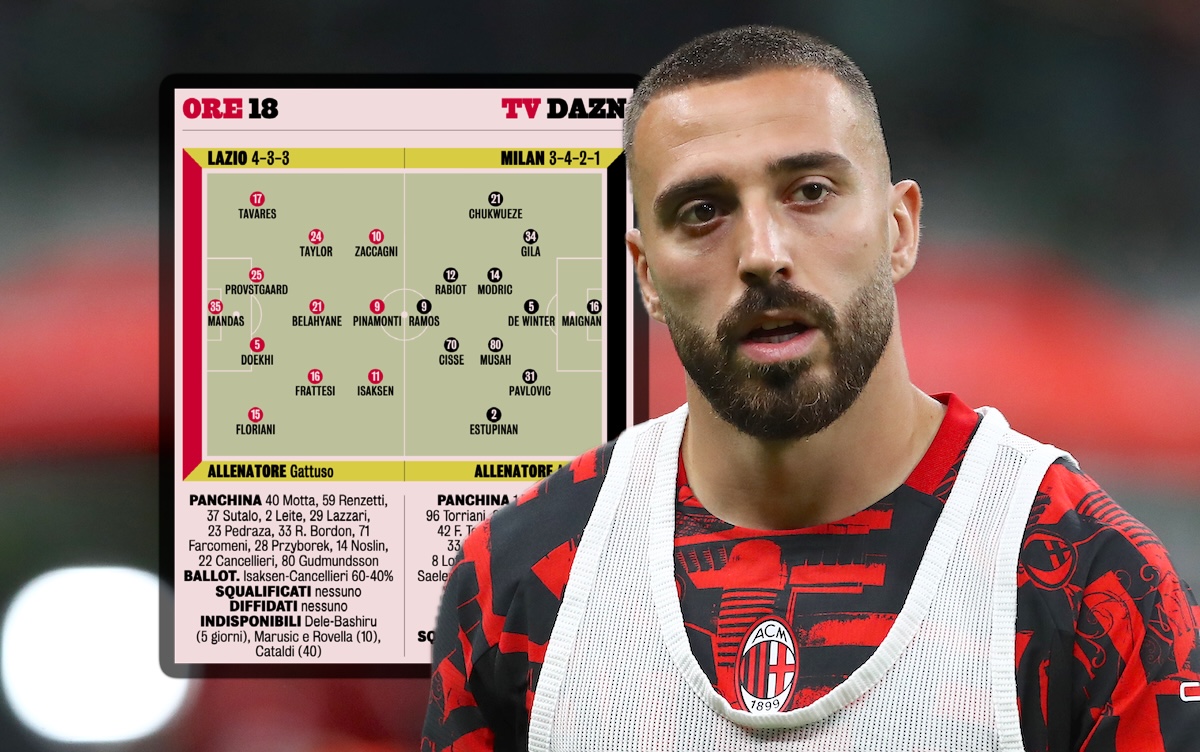
Diego Moreira's quickfire double saves Ruben Amorim in Rome thriller
4 days, 3 hours agoMore Analysis
Ruben Amorim's heavy rotation against Benfica is a dangerous gamble
11 hours ago
Sunderland return to Europe after 53 years into UEFA's midweek experiment
1 day, 11 hours ago
Ruben Amorim needs 15 points in Europe to fix Milan's domestic slump
1 day, 11 hours ago
Porto and Benfica are stumbling into a high-stakes O Classico
2 days, 10 hours ago
Bruno Guimaraes Shows Arsenal Growth as Milan Suffer Self-Inflicted Chaos
2 days, 19 hours ago