Summerville and the Dutch tactical shift against Japan
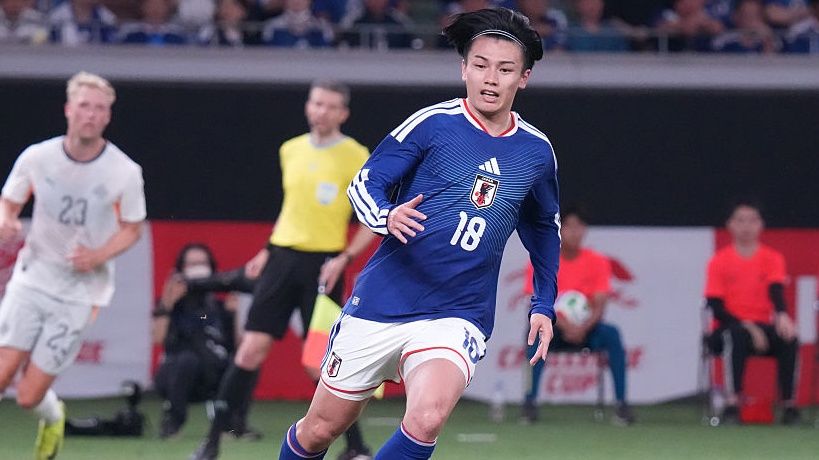
Tactical paralysis in the first half
The fixture between the Netherlands and Japan began as a sterile exercise in positional discipline. Both managers prioritized structural integrity over vertical progression, resulting in a first half characterized by lateral circulation and mid-block congestion. The Netherlands attempted to probe, but their build-up play frequently stalled against a compact Japanese defensive line that refused to be pulled out of shape.
Passing maps from the opening 45 minutes reveal a predictable pattern. Cody Gakpo consistently drifted into the half-space, but his interplay with the midfield was heavily contested. Japan successfully neutralized the Dutch creative hub by double-teaming on the flanks, effectively cutting off service to the strikers. There was very little movement in the final third.
For all the possession the Dutch enjoyed, the xG barely moved. By the interval, the game was a stalemate in every sense of the word. Neither side had managed to exploit the gaps between the defensive and midfield lines. It looked like a contest destined for a scoreless draw where both teams would go home content with a point.
The Summerville pivot
Everything changed shortly after the restart. The Dutch coaching staff clearly identified that the static nature of the first half was playing right into Japan's hands. As Sky Sports reported, the shift in intensity following the break was immediate. The instruction to Crysencio Summerville seemed to be more aggressive, asking him to hug the touchline before cutting inside at diagonal angles.
This slight adjustment shifted the center of gravity. Summerville capitalized on a rare lapse in Japanese tracking to drive into the box, eventually finding the back of the net to break the deadlock. It was the precise trigger the game needed. Once the Dutch scored, Japan was forced to sacrifice their defensive stability in search of an equalizer, leaving them vulnerable to counter-attacks.
We witnessed a flurry of goal-scoring opportunities following Summerville's strike. The game transformed from a methodical chess match into a frantic end-to-end scramble. This volatility was, frankly, a failure of tactical management from the Japanese bench; they abandoned their disciplined shape far too early, conceding soft transitions that kept their own goalkeeper under constant pressure.
Flaws in the Dutch defensive transition
While the goal-scoring output after the break was entertaining, the Dutch defense showed signs of genuine concern. Committing numbers forward allowed Japan to exploit the space behind the full-backs with alarming regularity. Several times during the second half, the Dutch midfield was completely bypassed by a single long ball.
This lack of structure is unsustainable. If Gakpo and Summerville occupy high, wider positions, the midfield pivot has to compensate by dropping deeper and covering more ground. They struggled to do this efficiently. The total number of successful recoveries for the Dutch defensive unit dropped significantly in the final 20 minutes of play, proving that their aerobic capacity might be a limiting factor in high-pressing systems.
Japan deserves credit for creating chances despite the scoreline swinging against them. Their reliance on quick wide transitions is a potent weapon, but they lacked the clinical edge required to punish a disorganized Dutch rear guard. Finishing stats tell the story here; despite the volume of shots, the conversion rate for both teams remained frustratingly low outside of the specific incidents involving the lead changes.
Ultimately, the match demonstrated that vertical speed wins arguments but defensive transition saves games. Summerville provided the individual brilliance to tilt the scales, but the tactical vulnerability exposed in the final half-hour serves as a warning for future knockout rounds. This was an exciting spectacle, certainly, but any serious analyst would highlight the structural fractures that appeared the moment the score became 1-0. The Netherlands won the tactical battle, yet they left plenty of room for their opponents to dismantle them in the return fixture.
The Mixer: The Story of Premier League Tactics, from Cantona to Guardiola
A must-read tactical deep dive into the history of modern English football.
Frequently Asked Questions
How did the Netherlands and Japan play in the first half?
What tactical change triggered Crysencio Summerville's impact?
Why did Japan's defensive performance decline after conceding?
What defensive issues did the Netherlands face in this match?
How did Japan successfully neutralize Dutch creators before halftime?
More Coverage

Frenkie de Jong's return gives Xavi the ultimate Dutch tactical engine
2 weeks, 6 days ago
Alex Scott Just Ended Jordan Henderson's England Career for Good
2 weeks, 6 days ago
The City Earthquake, Catalonian Spacing, and Spain's Structural Supremacy
3 weeks, 4 days ago
Thomas Tuchel thinks conceding 9 goals in 3 games is totally fine
3 weeks, 5 days ago
Top 10: High-Stakes Sports Legal and CAS Overturn Moments
3 weeks, 5 days agoVozinha Saved Cape Verde From Spain But Couldn't Save Himself From TikTok
3 weeks, 5 days agoMore Analysis
Frenkie de Jong's return gives Xavi the ultimate Dutch tactical engine
2 weeks, 6 days ago
The City Earthquake, Catalonian Spacing, and Spain's Structural Supremacy
3 weeks, 4 days ago
Beyond the Debuts: Tactical Assimilation, 'Half-Beat' Composure, and the USMNT Pipeline
3 weeks, 6 days ago
The Geometry of Risk and the Youth Mandate: Clint Dempsey on USMNT's 2030 Reset
3 weeks, 6 days ago
Jürgen Klopp got the chaos he expected in a wild debut against the Dutch
1 month ago