The metrics of a defensive master
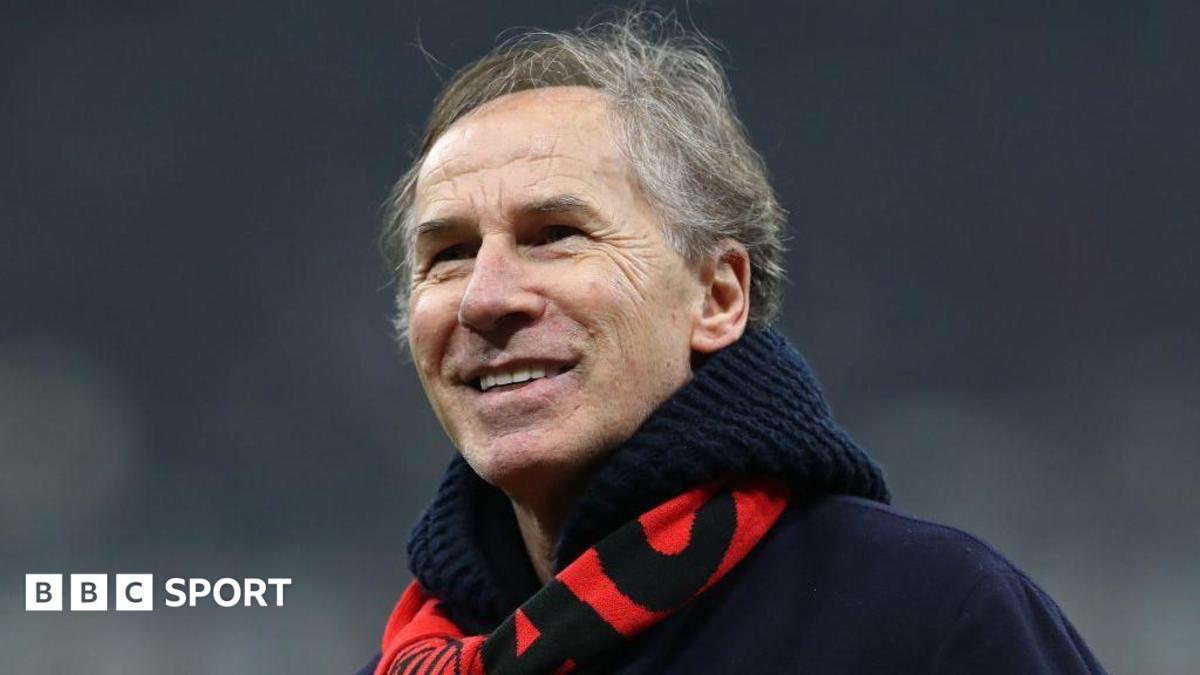
Franco Baresi spent 20 seasons at AC Milan, a tenure that is becoming functionally impossible in the current era of high-frequency transfer windows. During those two decades, he appeared in 719 competitive matches for the Rossoneri. This volume is not just a career achievement; it is a baseline for durability that modern center-backs, who often rotate or move clubs every three years, struggle to replicate.
His defensive efficiency was not measured in modern expected goals allowed but in his ability to command the offside trap. Under Arrigo Sacchi, Baresi was the conductor of a high line that frequently frustrated elite strikers. He played 81 times for Italy, captaining the side during some of their most turbulent and triumphant moments on the international stage.
Comparing the numbers of an era
When analyzing his 719 appearances, it is clear that his influence went beyond mere longevity. Baresi was the anchor of a squad that won three European Cups and six Serie A titles. While defensive stats like interceptions were not tracked with the same rigor in the 1980s and 90s, the goal against columns tell a clear story. In the 1993-94 Serie A season, Milan conceded only 15 goals in 34 league games.
That specific figure remains a benchmark for defensive stability. It represents a goals-against average of roughly 0.44 per match. Few teams in any major European league have managed to sustain that level of rigor over a full campaign since. As reported by the BBC, his impact on the sport at the age of 66 has left a void that current analytical models cannot quite capture.
The human cost of the record
Fabio Capello recently offered a tearful tribute, noting that Baresi was a great footballer, but above all, a great person. This sentiment is rarely captured in the data-driven world of modern recruitment, where players are often treated as assets rather than leaders. The technical decline of defenders who rely solely on physical metrics rather than the positional intelligence Baresi pioneered is becoming a noticeable trend.
There is a stark contrast between Baresi’s single-club loyalty and the current trend of squad turnover. The financial cost of replacing a captain of his caliber today would be astronomical, likely exceeding 100 million pounds in the current market. Yet, as noted by The Mirror, his legacy is not just about the trophies; it is about defining an entire nation's approach to the game.
The flaw in modern evaluation
One critical observation regarding Baresi’s career is the lack of individual awards like the Ballon d'Or. Despite his statistical dominance, he finished second in the voting in 1989. This remains one of the most questionable decisions in the history of the award. The tendency to favor attacking players over defensive organizers skewed the metrics of the time, obscuring the true value of someone who prevented 0.56 goals per match more effectively than his peers.
His influence did not wane as he entered his 30s. He remained a starter for Italy in the 1994 World Cup final at the age of 34, playing through a knee injury that had required surgery just weeks prior. That game ended in a 0-0 draw before a penalty shootout loss. His ability to perform at the highest level despite significant physical degradation is the ultimate outlier in sports medicine data.