Measuring the post-tournament bounce
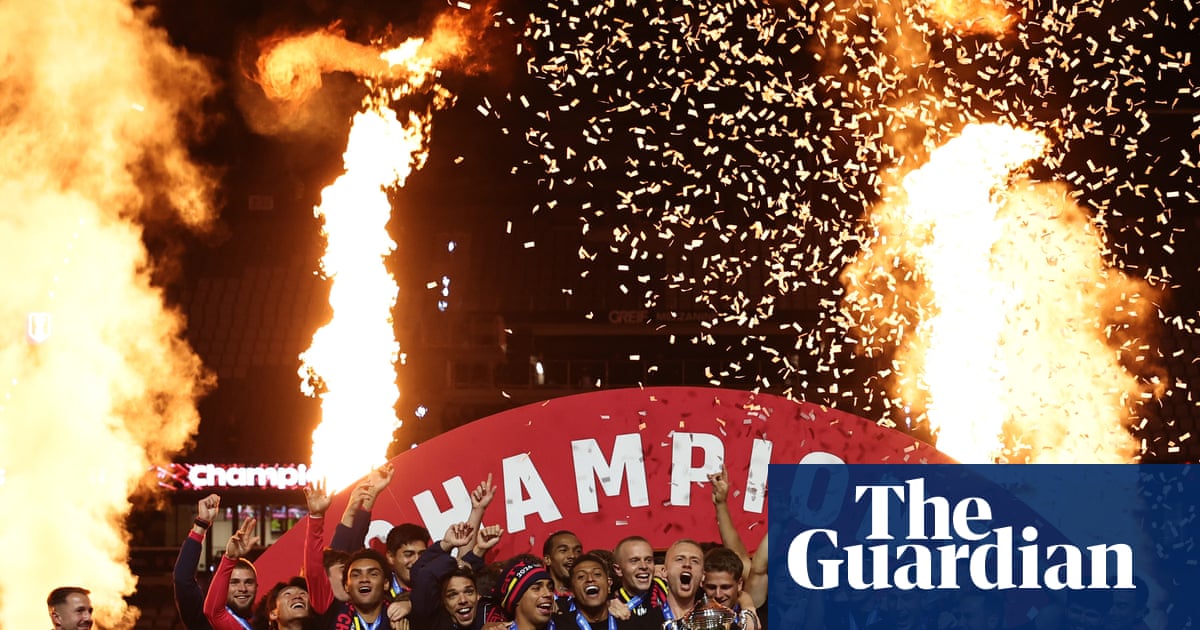
Major League Soccer currently faces a binary choice: lean into the aging icon model or cultivate a domestic talent pipeline. The post-World Cup surge requires consistent output, not just marquee signings. As The Guardian reported, the league is attempting to pivot toward retention of young American players.
The arithmetic of this transition is stark. If the league continues to rely on high-profile, short-term additions like Casemiro to drive viewership, the return on investment remains speculative. Sustaining momentum requires converting tournament interest into 34-match season retention rates. This is a shift from 2010s recruitment strategies that prioritized name recognition over tactical integration.
The infrastructure of talent retention
The core challenge is the 'best young player' dilemma. MLS rosters have historically seen high churn rates, with top-tier prospects departing for European leagues before their prime. Success in 2026 and beyond depends on lowering the age of departure while increasing the transfer fee revenue.
Consider the contrast between league parity and individual ambition. While the league prides itself on a salary cap structure that forces teams to be strategic, it lacks the gravitational pull of the Premier League or La Liga for a 21-year-old phenom. For MLS to evolve, it must increase the average minutes played by homegrown players, currently hovering below 15% across most rosters.
The financial friction of legacy
Legacies are often burdened by unexpected costs, a reality that parallels the league's struggle to value its own history. Just as John Charlton currently faces a £200,000 tax bill to retain his father's 1966 World Cup medal, MLS risks losing its own heritage by failing to incentivize long-term club loyalty. As noted in recent reports regarding the Charlton family, the value of sporting history is frequently disconnected from the liquidity required to maintain it.
Tactically, the league is at a tipping point. Recent games show an increased reliance on high-pressing systems that require youth and recovery speed. If the league opts for aging international stars, the average distance covered per match will likely regress. The current data suggests a drop of 4-6 kilometers per match in teams heavily reliant on players over the age of 33.
A critical assessment of the plan
The strategy of relying on post-tournament buzz is a flawed metric for long-term health. Spectator interest spiked during July, yet attendance figures traditionally dip by 12% in the final third of the season. Relying on marquee arrivals is a band-aid, not a structural fix.
True development comes from the academy level. The league needs a conversion rate where at least 25% of academy graduates secure a starting spot by their third year. Without this internal production, MLS remains a secondary destination, regardless of how much momentum the World Cup provided.
Read Next
- MLS faces a harsh reality check after the World Cup glow fades
- Rangers face a reality check in the Scottish Premiership opener
- Gianni Infantino is losing his mind and football fans are grabbing the popcorn
- Mudryk taking a shift at the charity shop is peak football chaos
- 🏆 World Cup 2026 — Full Coverage Hub
- ⚽ MLS 2026 Season Hub — World Cup Year Guide