The Big Picture
Arsenal are currently recalibrating their squad architecture to bridge the gap between title contention and trophy collection. As of July 31, 2026, the strategy centers on aggressive midfield reinforcement and managing the fallout of Newcastle's internal instability.
The Rankings
1. Bruno Guimarães: The Midfield Anchor
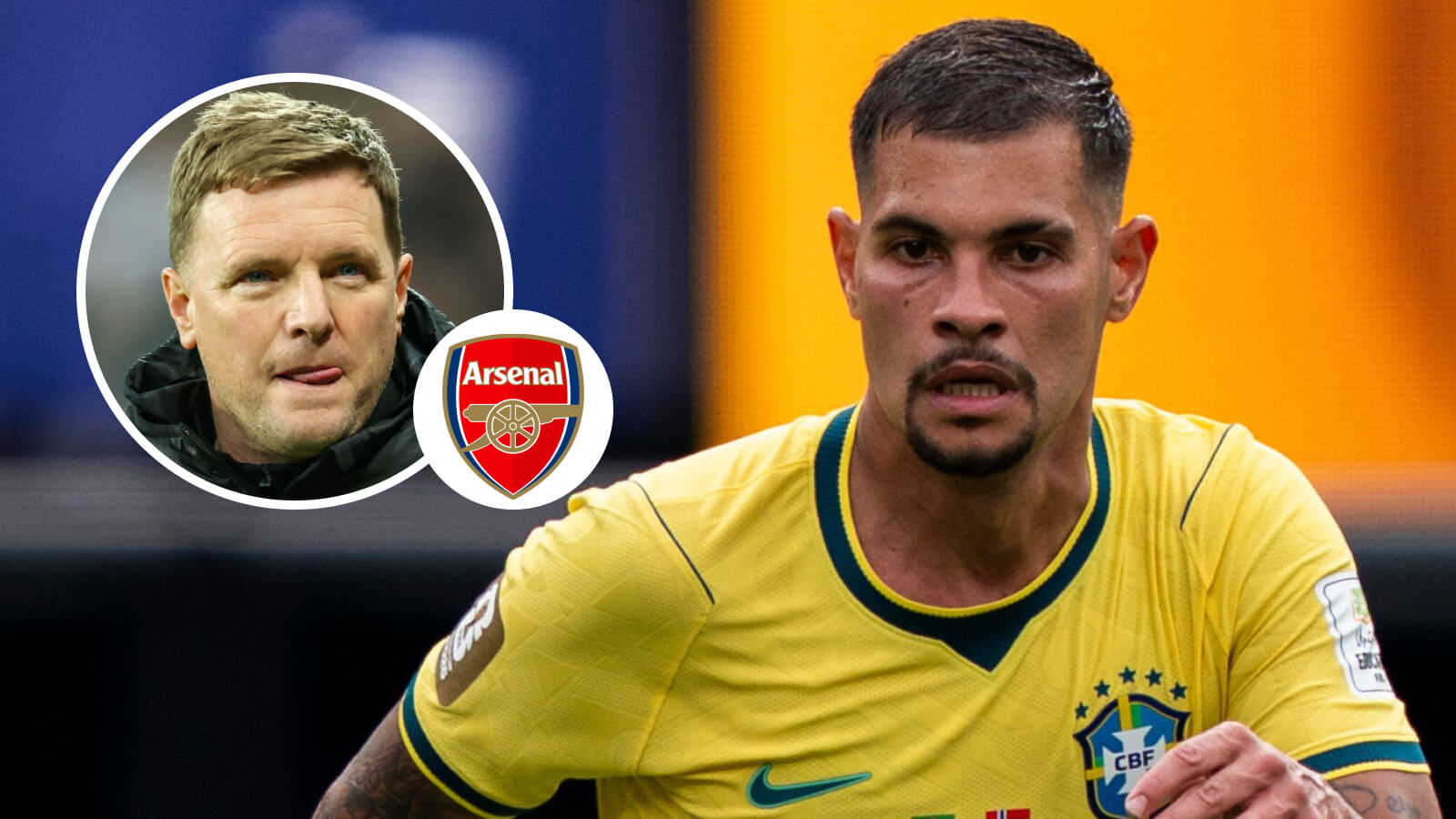
Securing the Newcastle captain is the singular move that defines this transfer window. The BBC reports a mounting expectation that Guimarães will move to North London in a deal worth up to £80m. His ability to control tempo and dictate vertical play surpasses Declan Rice's current pivot role. If this transfer succeeds, it effectively closes the gap on Manchester City.
2. Mikel Arteta: The Systems Architect
Arteta remains the primary reason top-tier talent is gravitating toward the Emirates. His tactical rigidity is sometimes criticized, yet his ability to extract defensive discipline from a high-press setup is unmatched. He is clearly pushing for a more robust midfield presence, hence the relentless pursuit of Guimarães. His influence on recruitment is the driving factor here.
3. The North London Defensive Line
William Saliba and Gabriel Magalhães represent the most stable partnership in the league. They rarely concede high-quality chances, allowing the fullbacks to tuck in or roam aggressively. Consistency is their superpower. They are the bedrock of the 2026 title charge.
4. Declan Rice: Shifting Roles
Rice has been a revelation, but he often finds himself restricted by defensive cover duties. With a new recruit potentially arriving, he may shift into a more advanced 'eight' role. His impact is undeniable, but he ranks behind Guimarães here because his best position remains an open tactical debate.
5. Bukayo Saka: The Primary Outlet
Saka continues to shoulder a heavy offensive burden, often against double teams. His conversion rates are elite, yet he clearly suffers from fatigue in high-stakes matches during the final quarter of the season. He is the heartbeat of this team regardless of who moves in the market.
6. Martin Odegaard: The Captain's Vision
Odegaard is the conduit between the defensive transition and the final third. He ranks lower than Guimarães because his creative output can dry up when teams sit in a low block. Regardless, he is the most vital playmaker in their current setup.
7. Kai Havertz: The Hybrid Problem
Havertz has found a home, but his utility is still being questioned during high-intensity matches. He provides excellent off-ball movement, yet his finishing lacks the ruthlessness of a true number nine. He is a high-functioning puzzle piece rather than a primary solution.
8. David Raya: The Modern Keeper
Raya provides the distribution needed for Arteta's build-up play out from the back. There are occasional lapses in shot-stopping under pressure, particularly during set-piece situations, which highlights an area of vulnerability. Still, he is a significant upgrade on a static passer.
9. Jurrien Timber: The Defensive Versatility
Timber offers a specific recovery speed that makes the high line viable. His injury history is the only reason he isn't higher on this list. When fit, he provides the tactical flexibility that allows Arteta to invert his fullbacks.
10. The Scouting Department's Due Diligence
Arsenal's recruitment is rarely impulsive. The quiet negotiations involving Newcastle's instability demonstrate a patient, opportunistic approach. As Mirror Football notes, the club has been chasing this target for weeks while the door slowly opened. They are positioning well, though their inability to sell fringe players remains a glaring flaw.
Honorable Mentions
Oleksandr Zinchenko remains a useful rotational asset despite defensive limitations, while Gabriel Jesus faces a make-or-break season as his injury record continues to jeopardize his status as the starting striker. The team's reliance on external market shifts, such as the Eddie Howe resignation, proves that their success is as dependent on luck as it is on talent.
Read Next
- Maxence Lacroix to Chelsea is a £52m tactical gamble built on high-line math
- Manchester United and Man City transfers reveal two completely different realities
- Why Premier League pressing triggers are breaking data models
- Eddie Howe at Newcastle was a rollercoaster we will never forget
- ⭐ UCL 2026 — Champions League Quarter-Finals Hub