Setting the Stage
The 2026 qualification cycle has been defined by defensive collapses and tactical rigidity. We are looking at the moments that shifted the trajectory of entire clubs.
The Rankings
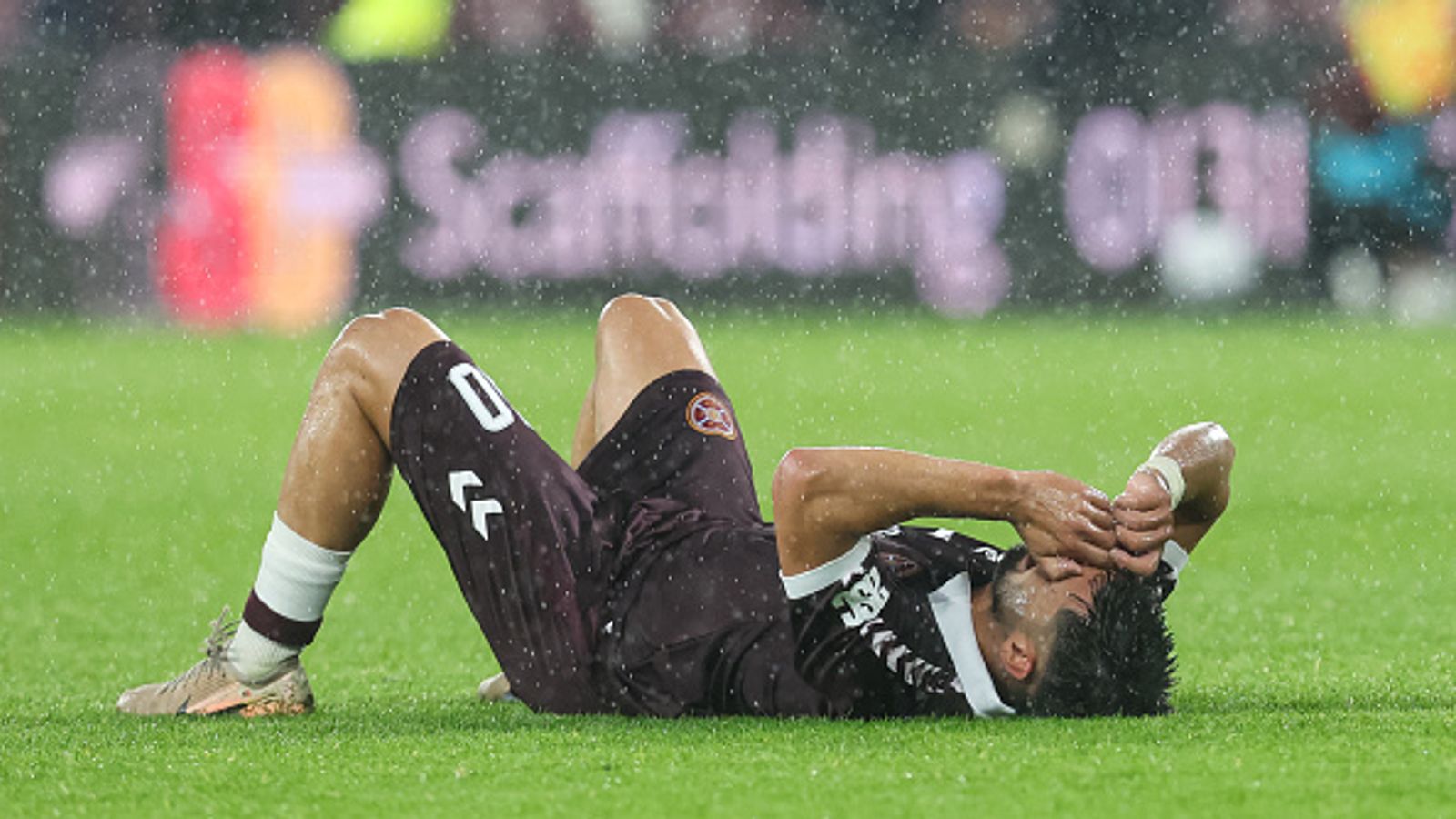
10. Sturm Graz dispatching Hearts. The Austrian side dominated the 0-6 aggregate scoreline, exposing a massive gap in European pedigree. Hearts looked disjointed, failing to register a serious threat in the second leg at Tynecastle. As Sky Sports reports, Wouter Vrancken’s side were clinically taken apart by a sharper, faster unit.
9. The collapse of the Scottish coefficient. The heavy defeat in Edinburgh wasn't just a bad night; it signaled downward momentum for the SPFL in UEFA rankings. Clubs are struggling to balance domestic depth with midweek European travel requirements. This moment ranks low because it was predictable rather than shocking.
8. The tactical pivot in the Liverpool-Barcola talks. The pursuit of the forward has become a saga of financial negotiation. As BBC Sport notes, personal terms are in place but the club-to-club valuation remains distant. It is a defining moment for Arne Slot’s first full summer recruitment approach.
7. The Premier League defensive record lows. We have seen more high-scoring draws than at any point since the turn of the decade. Coaches are prioritizing attacking transitions, often at the expense of structural integrity. It makes for entertainment, but it invites scrutiny regarding defensive coaching standards.
6. The emergence of high-press variants in the Championship. Smaller clubs are adopting aggressive high-lines to disrupt budget-heavy favorites. It has resulted in several massive upsets in cup competitions this season. The lack of adaptation from elite managers during these matches is a glaring failure.
5. The failure to secure VAR consistency. Week after week, subjective interpretation remains the standard rather than the exception. Fans are tired of the stop-start nature of matches that drag on despite high-definition replay technology. It remains the biggest black mark on the modern game.
4. The late-season injury crisis for mid-table squads. Fatigue management has been abysmal across the board. Players are appearing in 70 games a year with minimal recovery windows between tournament cycles. Teams like Hearts felt the physical toll directly during their recent European exit.
3. The rise of multi-club ownership models. This financial phenomenon is fundamentally changing how scouts value players across borders. While it provides a pipeline for talent, it also creates an unsettling lack of independence for smaller clubs. It is an efficient machine, but it lacks soul.
2. The shift in transfer spend patterns. We are seeing a move away from 100 million pound fees toward performance-based incentives. Clubs are getting smarter, valuing sustainability over marquee names that rarely deliver. The Mirror reports that Liverpool’s cautious valuation of key targets is becoming the standard for the league.
1. The Champions League format transition. The move to a bloated league structure has stripped away the tension of smaller group stage nights. Every match feels like a filler episode until the knockout rounds actually begin. It has prioritized television revenue over the actual quality of the product.
Honorable Mentions
The persistent failure of domestic cup replays to draw adequate crowds sits just outside this list. Additionally, the increasing reliance on set-piece coaches—a tactical trend that has turned matches into glorified chess games—merits further discussion. Most clubs are now spending 20 percent of their training time exclusively on dead-ball scenarios. The result is better defensive organization but significantly fewer open-play goals in high-stakes matches.