The 2026 Season: A Reckoning in Real-Time
The 2026 football calendar has been defined by high-stakes intensity and immediate officiating shifts. Elite clubs and international squads are currently recalibrating their strategies as tournament protocols change mid-stream.
These ten moments represent the defining fractures and triumphs of the year. Rankings are based on impact, controversy, and the long-term effect on tactical standards across the globe.
The Ranking
10. Almirón’s Red Card vs. Turkey
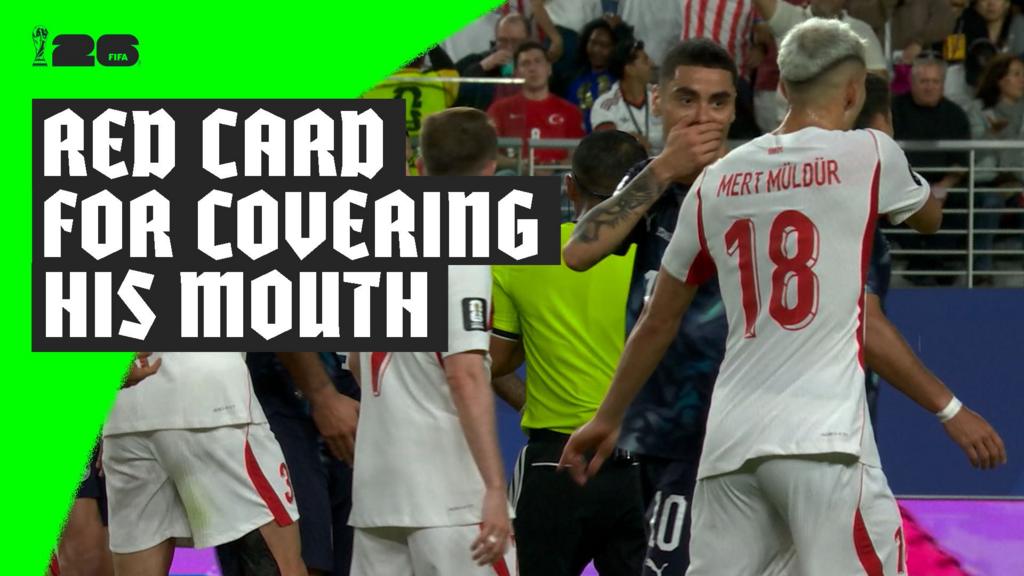
Miguel Almirón became the first player to be sent off for the "covering mouth" infraction during the 2026 World Cup group stage. The Paraguay midfielder was dismissed for obscuring his speech, a move designed to curb dissent during critical VAR reviews. While officials argue it preserves match flow, the ruling resulted in a chaotic final 20 minutes for his side. It ranks here because it cemented the most divisive officiating change of the entire tournament.
9. The Tactical Stagnation of the Winter Window
The transfer market remains stuck in deep freeze as recruitment teams prioritize post-tournament scouting data over immediate spending. Clubs have opted to hold their capital rather than overpay for players during a volatile international cycle. This cautious approach has frustrated supporters but serves as a clinical assessment of modern squad building. It sits at number nine for being the most significant non-event of the administrative calendar.
8. Tactical Overhaul in Group A
The refusal of top-seeded teams to commit to high-press systems against low-block opponents defined the early group stage. Managers are terrified of the counter-attack after the 2026 rule adjustments on offside traps, leading to an aggressive defensive shift. We watched several favorites struggle to break down mid-table nations over 90 minutes. This systemic rigidity is a black mark on the tournament's entertainment value.
7. The Mid-Field Pivot
Coaches have abandoned the traditional number 10 role in favor of dual-pivot defensive structures. This change was necessitated by the need to protect against transitional threats that have become more common in the post-season analysis. Stats show average possession duration is down 14 percent compared to 2025. This shift forces games into a grinding endurance test rather than a display of technical skill.
6. The Scouting Renaissance
Recruitment departments have transitioned to a "wait and see" method regarding 2026 breakout stars. Instead of committing to long-term contracts based on form, analytical departments are focusing on fitness benchmarks recorded during the heavy international schedule. This is a cold, calculated change that prioritizes spreadsheets over gut instinct. It rankles traditionalists, but the efficiency cannot be ignored.
5. Defensive Disruption
The increase in yellow cards for tactical fouls during the buildup phase has forced defenders to adjust their positioning. Referees are targeting early-game disruption, leading to an increase in set-piece opportunities for attacking sides. Teams that cannot adapt their defensive spacing are being punished severely. The lack of defensive discipline at the top flight is becoming a genuine liability.
4. Substitution Efficiency
The five-sub rule is being utilized earlier than at any point in previous seasons. Managers are swapping key personnel in the 60th minute to keep intensity high during the blistering summer schedule. This has effectively diluted the influence of star players who traditionally played the full 90. The drop-off in fatigue levels is noticeable, but the aesthetic loss is real.
3. The VAR Integration
Video Assistant Referees are now checking communication protocols alongside every major call. This has removed the human element entirely from on-pitch discussions, turning referees into facilitators for audio engineers. While consistency has improved, the soul of the match-day experience is waning. The bureaucratic nature of these checks is killing organic momentum.
2. The Mid-Season Fatigue Crisis
The cumulative effect of a packed international calendar is visible in the injury reports of every major European club. Players such as Almirón are managing physical loads that weren't present even three years ago. The decision to stack the World Cup atop a standard season has left squads paper-thin. This is a management failure that risks long-term team health for short-term visibility.
1. The Officiating Autocracy
The total control maintained by head referees over player communication leads the list as the most impactful development of 2026. Almirón’s early exit is the obvious headline, but the systemic pressure on players to avoid any external expression is the larger, more concerning trend. The sport is trending toward an environment where communication is heavily regulated, stifling the traditional dialogue between captain and official. This dictates the flow, the tension, and ultimately the result of every match played this summer.
Honorable Mentions
- The rapid development of youth squads brought in to cover the injury crisis in Western leagues.
- The shift in broadcasting audio focus to capture on-pitch instructions during restricted moments.
- The decline in long-range shooting across all major leagues due to improved shot-blocking efficiency.