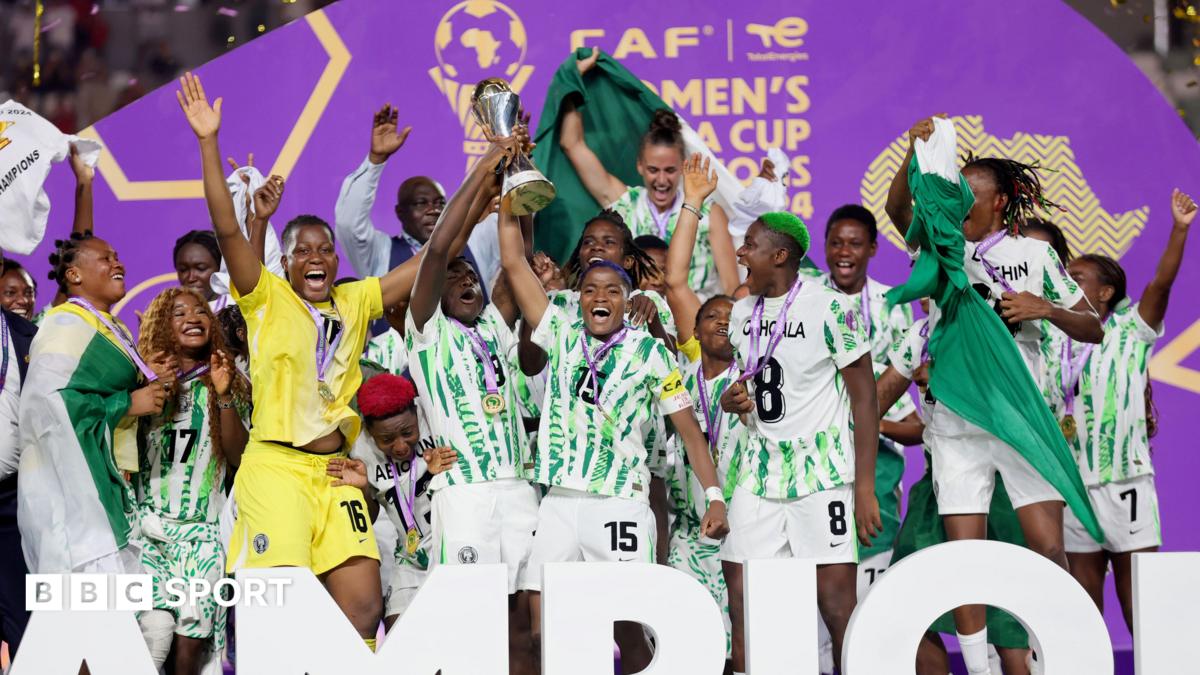
The weight of history for the Super Falcons
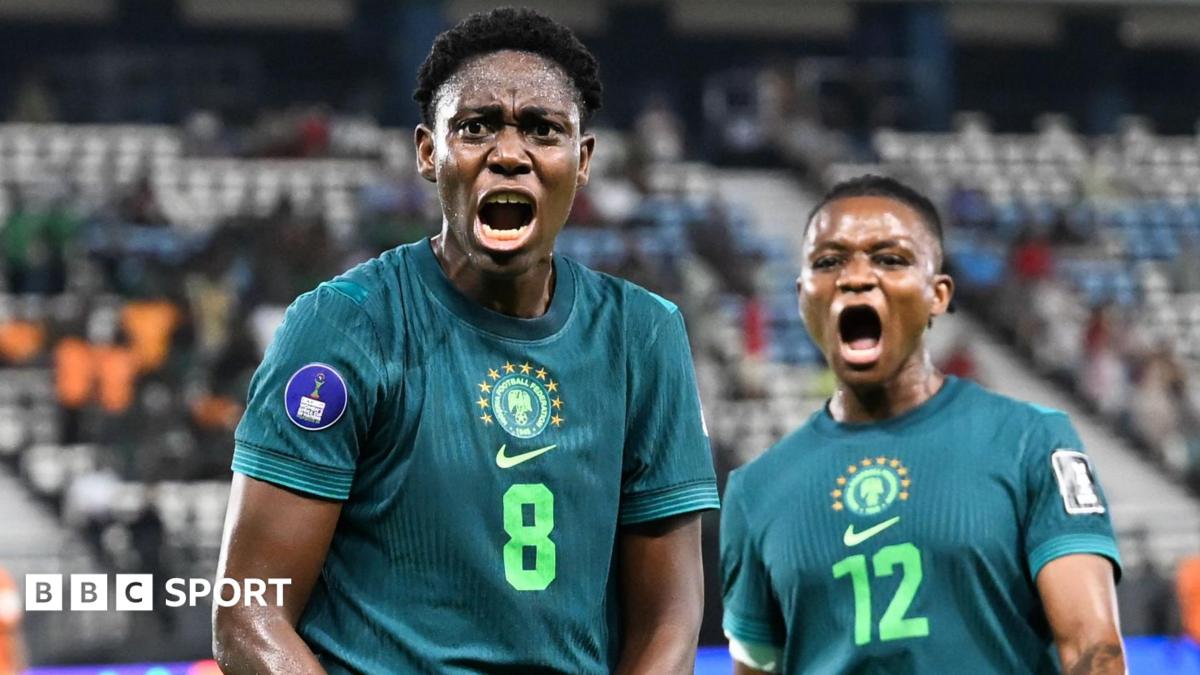
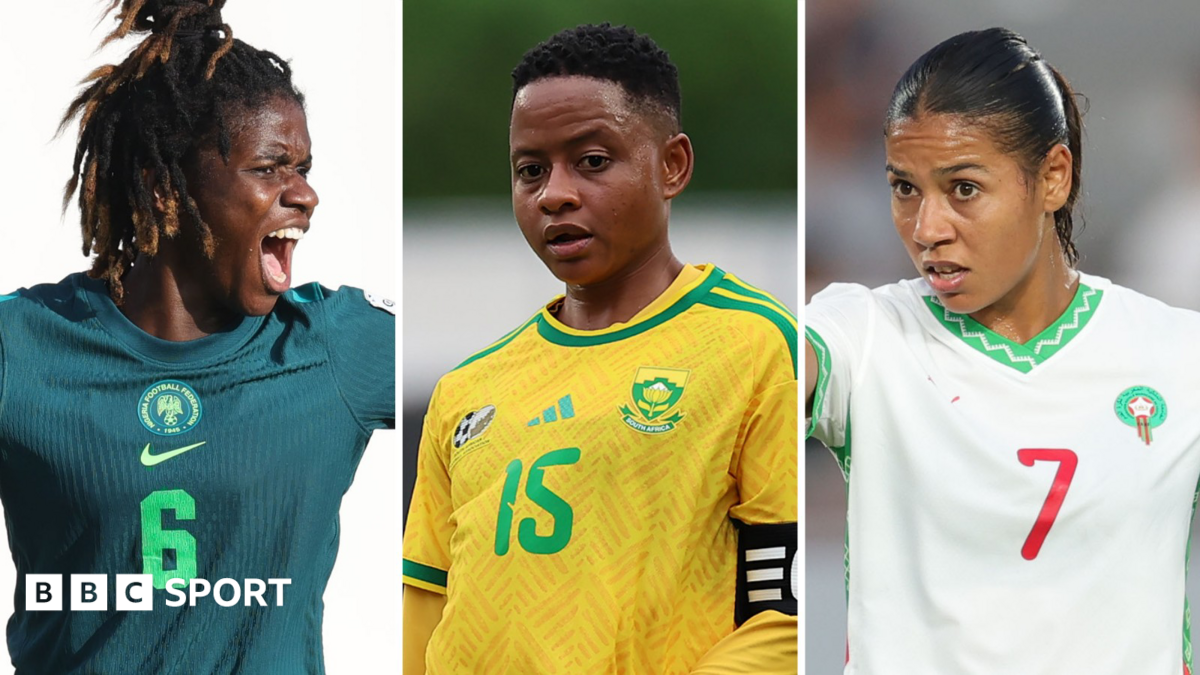
Nigeria enters the 2026 Women's Africa Cup of Nations carrying the pressure of ten previous titles. Securing an 11th crown requires more than talent; it demands historical dominance against a rapidly improving continental field.
As the BBC reported, every nation in the group stage is targeting the champions as their primary scalp. This list ranks the moments that defined Nigeria as the dominant force in African women's football.
1. The 1998 Inaugural Title
Winning the first-ever African Women's Championship in Nigeria set the standard for every program on the continent. By hammering Ghana 6-0 on aggregate in the final, the Super Falcons established a gap in technical ability that took other nations nearly two decades to bridge.
This performance remains the definitive statement of intent. Without this initial dominance, the financial and structural support for the women's game in West Africa might have stalled indefinitely.
2. The 1999 World Cup Breakthrough
Nigeria moved beyond continental confines by defeating North Korea 2-1 in their first-ever World Cup victory. This win served as a litmus test for the caliber of African competition against Asian powerhouses.
The victory forced the global community to treat the Nigerian squad as a legitimate threat rather than an experimental entry. It provided credibility to the local league and increased international scout presence at Nigerian matches.
3. Mercy Akide’s 2001 CAF Achievement
Naming Mercy Akide the inaugural African Women's Footballer of the Year changed the status of individual players in the region. Akide’s clinical finishing and movement provided the blueprint for the modern Nigerian forward style.
This recognition elevated the Super Falcons into the celebrity tier of Nigerian sports. It created a commercial path for female athletes that didn't exist prior to the turn of the century.
4. The 2018 Wafcon Final Penalty Shootout
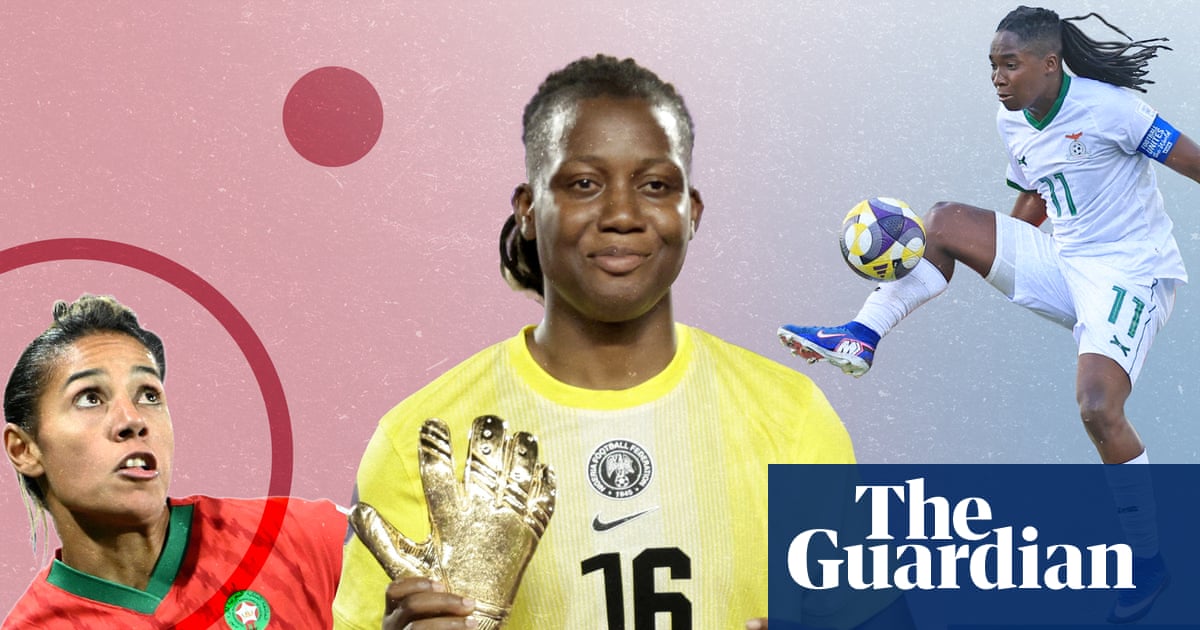
Defeating South Africa in a tense shootout after a 0-0 draw showed the squad could survive under suffocating pressure. Goalkeeper Tochukwu Oluehi’s crucial save shifted the narrative during a period where South Africa’s technical progression threatened Nigeria’s stranglehold.
The match ended 4-3 on penalties. It remains a masterclass in psychological resilience, though the lack of goals during regulation suggested early warning signs of offensive stagnation.
5. The 2004 Wafcon Dominance
Scoring 18 goals while conceding zero throughout the tournament remains the greatest display of statistical superiority in the history of the competition. Nigeria dismantled opponents with an efficiency that was frankly demoralizing for the rest of CAF.
While impressive, this absolute perfection often masked deeper issues with domestic league development. By ignoring the need to build a competitive local environment, the federation relied too heavily on individual brilliance alone.
6. Qualification for the 2000 Olympics
Securing a spot in Sydney proved that the Super Falcons could master the qualifying process consistently. It moved the team out of the "amateur" classification and into the professionalized sphere of Olympic football.
This moment required navigating a complex set of international logistical hurdles. The team proved that continental dominance translated effectively to global tournament qualifications.
7. Perpetua Nkwocha’s 2004 MVP Performance
Nkwocha netted nine goals in a single tournament, a feat that still stands as a benchmark for offensive output. Her ability to operate in space between the midfield and the defensive line was years ahead of her peers.
Critics often point out that her reliance on raw speed made her predictable against top-tier European defenses later in her career. However, within the African environment, she was a tactical nightmare for any backline.
8. The 2014 Wafcon Redemption
After losing their crown in 2012, Nigeria reclaimed the title with a dominant 2-0 win over Cameroon in the final. This required a full squad overhaul and a transition to a more tactical defensive setup.
Managing that turnover in just two years was an underrated achievement in coaching. It signaled that the program had the depth to weather a transitional phase without losing its championship pedigree.
9. Desire Oparanozie’s 2016 Winner
Her late goal against Cameroon during a hostile final in Yaoundé ranks high for pure impact. Scoring in a stadium filled with fifty thousand fans cheering for the opposition requires a specific kind of mental fortitude.
The match was physically brutal, ending in a narrow 1-0 scoreline. It proved the Super Falcons could thrive in hostile territory without the support of the home crowd.
10. The 2026 qualifying run-up
While the tournament hasn’t finished, reaching the 2026 edition while contending with aging rosters signifies longevity that no other African nation can claim. Keeping the squad competitive through a decade of turnover is the most undervalued part of their current campaign.
It is worth noting that defensive lapses in recent friendly matches against lower-ranked sides remain a concern. If they cannot shore up their deep-ball recovery, that 11th title is far from guaranteed.
Honorable Mentions: The 2002 semi-final comeback vs South Africa; The 2010 thrashing of Tanzania in the tournament opener.