The seismic shifts of a chaotic year
The 2025/26 season was defined by structural instability and power struggles at the absolute highest levels of the game. From failing national team projects to the shifting tides of player recruitment, these ten moments dictated the headlines as The Guardian’s latest reports reveal just how precarious the situation has become for Italian football’s elite leadership.
1. The Italian FA administrative collapse
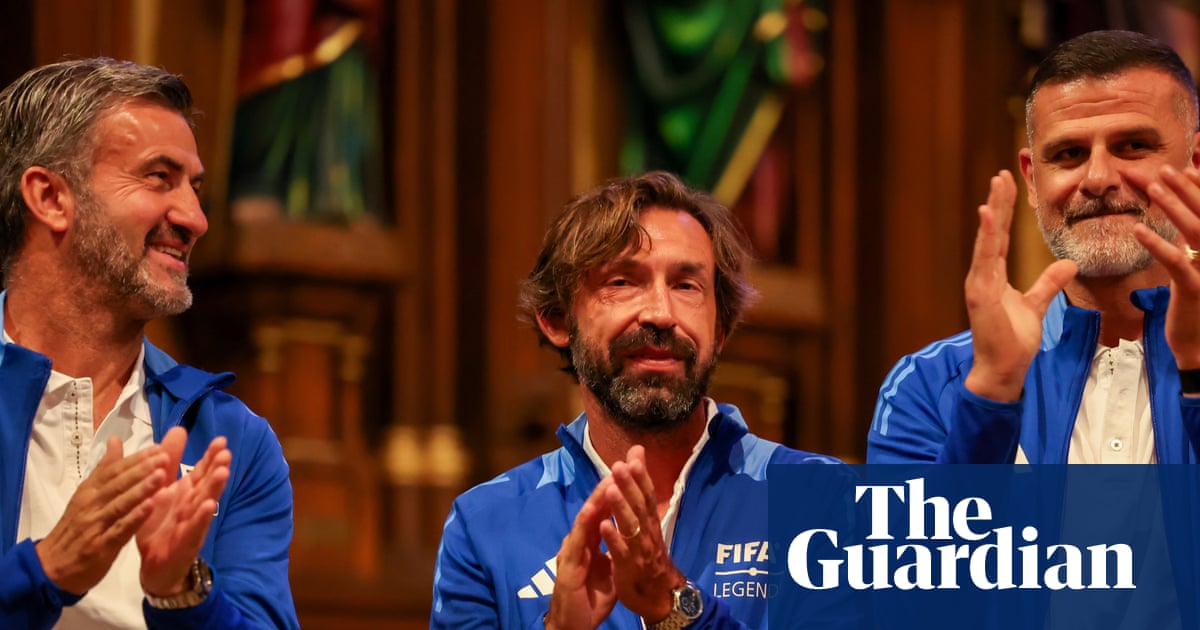
Paolo Maldini and Leonardo resigned from the Italian FA on July 27, 2026, marking the most embarrassing exit of the summer. Their departure was triggered after Andrea Pirlo’s appointment as head coach imploded due to his ties with a Russian betting firm. It is a staggering failure of scouting both on and off the pitch. This moment ranks first because it leaves one of the world's premier football nations without a coach or a vision mere months into a new cycle.
2. John Stones rejects Chelsea for Serie A
The defender’s decision to move to Italy rather than staying in the Premier League shocked the transfer market. By choosing a new challenge over a high-profile move to Stamford Bridge, Stones signaled a shift in player autonomy. He is prioritizing tactical experience over a larger English salary. This move shifted the entire defensive power structure in Serie A for the coming season.
3. The regulation of goalkeeper time-wasting
English officials finally acted on the phantom injury trend. As The Guardian reported today, the new rules to curtail tactical timeouts are a long-overdue correction. Fans were tired of matches grinding to a halt during the 80th minute. This is clearly a win for those who value game flow over cynical game management.
4. Maldini’s tenure ends before it begins
Appointed as technical director on July 11, 2026, Maldini lasted roughly two weeks. His resignation proves that even legends cannot salvage a broken hiring process. It highlights the reckless vetting standards within modern federations. This is lower than the broader FA collapse because it focuses specifically on the failure of individual recruitment vetting.
5. The failed Pirlo appointment
Andrea Pirlo’s association with Russian betting interests effectively burned his bridge to the national team. While his playing career was legendary, this administrative failure makes his future in management incredibly bleak. It remains a stain on his reputation that will be difficult to wash away. The sport has zero tolerance for these types of controversies in 2026.
6. The rise of the youth-first model
Across the continent, clubs moved away from aging superstars in favor of prospects under 21. Data-driven scouting departments pushed owners to cut massive wages. This shift accounted for a 15% decrease in transfer spending on players over 30. While some fans miss the nostalgia, the fiscal health of mid-tier clubs has arguably improved.
7. Defensive tactical evolution
Coaches moved away from the high-pressing systems that dominated 2024. We saw a return to disciplined, low-block formations that frustrate wing-reliant squads. It is a boring, yet undeniably successful, adjustment that defined the tactical output of high-level Champions League fixtures. Football moves in cycles, and the cycle is currently favoring the cynical defender.
8. The commercialization of mid-tier leagues
Investors poured record sums into leagues like the Eredivisie and the Austrian Bundesliga. The goal is to maximize talent discovery before the major clubs swoop in. However, the result has been a dilution of identity for many historic teams. They are becoming effectively feeder clubs, which is a disappointing trend for the soul of the sport.
9. VAR protocol refinements
The league finally tightened offside flags, removing the 5-minute paralysis of past seasons. By reverting to more human-centric officiating standards, the product is significantly faster. Still, the reliance on automation remains a point of contention for supporters who miss the chaos of human error. It earns its spot for actually fixing a broken process.
10. The wage cap lobbying
A coalition of smaller European clubs began serious lobbying for an enforced wage cap. This is the most controversial moment on this list because it threatens the dominance of the super-clubs. Will it pass? Unlikely. But the fact that it is being debated at boardroom summits represents an existential threat to the status quo.
Honorable Mentions
Honorable mentions go to the return of the 4-4-2 formation in select mid-table squads and the quiet exit of several long-tenured sporting directors who struggled to adapt to the new financial regulations. It was a year where front-office mistakes were punished far harder than missed sitters in front of Goal.