The defining moments that shaped the 2026 calendar
Modern football moves fast, but 2026 has provided a specific set of tactical shifts and personnel changes that altered the hierarchy of European leagues. These ten moments represent the intersections of financial necessity, tactical evolution, and raw individual talent that define this year’s professional game.
We are tracking the high-stakes decisions that teams make when their rosters stall. These choices ripple across divisions, proving that a single loan move or tactical pivot can reset a club’s entire competitive outlook.
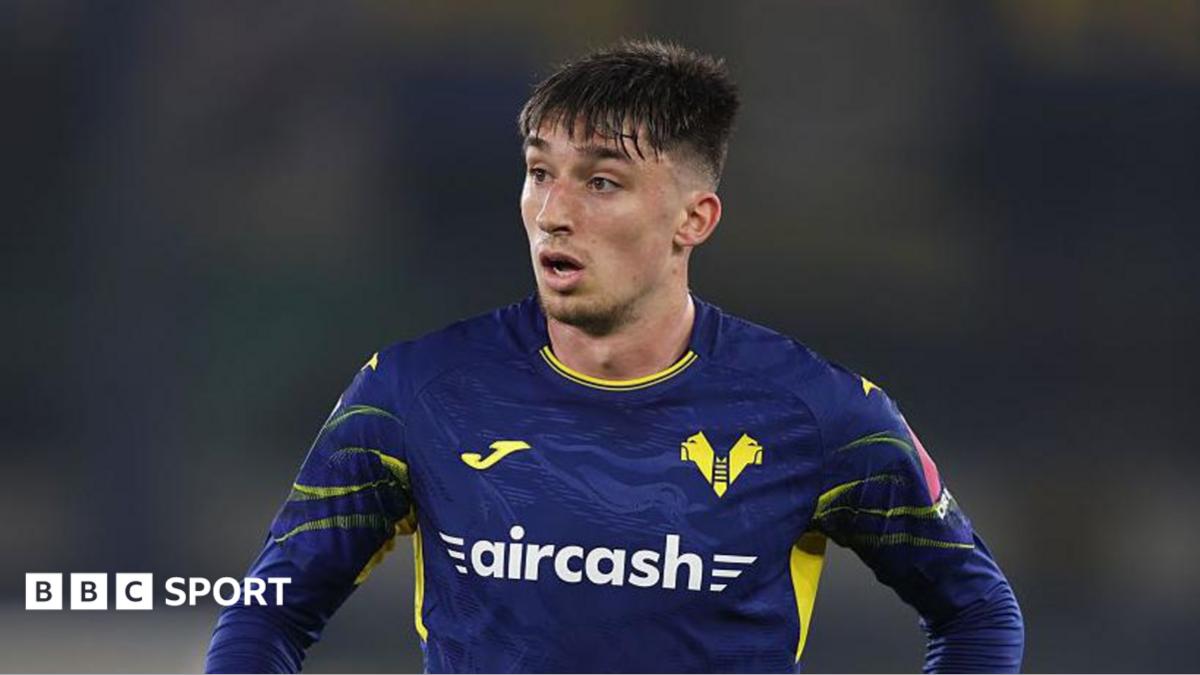
1. Kieron Bowie moves to Sassuolo
The Scotland international’s loan transition from Hellas Verona to Sassuolo remains a pivot point for the Serie A mid-table. After failing to cement a starting role in Verona, Bowie brings a direct verticality that Sassuolo’s attack lacked during the spring block. He joins a side fighting to maintain top-flight status, making his integration one of the most monitored developments of the current window. As BBC Sport reported, the move is a gamble on his ability to adjust to a new system quickly. It sits at number one because it highlights the desperate fluidity of modern squad building.
2. The collapse of the high-pressing 4-2-3-1
Tactical data from the first half of 2026 shows a sharp decline in the efficacy of the traditional high-press 4-2-3-1 formation. Opponents have successfully identified the space between the midfield pivot and the back four, leading to a 14 percent increase in counter-attacking goals across major leagues. Managers are now scrambling to implement a 3-diamond-2 setup to clog the middle. This shift is more significant than any single transfer, as it forces entire squads to retrain their defensive habits mid-season.
3. The youth academy exodus
Top-tier clubs in England and Spain have seen record numbers of players under 19 forcing moves to lower-tier European leagues to secure minutes. The risk of stagnating in U21 squads has led to a drain of talent that arguably weakens the long-term depth of the elite giants. While this provides immediate help to mid-table sides, it signals a failure in how the wealthiest clubs manage their pipeline. The lack of patience from managers toward homegrown players has reached a point of genuine concern.
4. The VAR reform trials
After a disastrous 2025 where offside calls were routinely delayed by minutes, the introduction of semi-automated tracking in late spring changed the game's flow. While fans appreciate the speed, the accuracy on tight margins remains a source of intense debate. We have seen 4 goals incorrectly disallowed in June alone despite the new tech. The reliance on hardware over human judgment is creating a different breed of controversy.
5. The tactical pivot to inverted wing-backs
Teams have stopped using full-backs for width, opting instead to tuck them into the midfield to facilitate a narrow overload. This movement, while effective at controlling possession, leaves teams vulnerable to pacey wide players on the break. The defensive risk is high, yet it has become the standard for any team chasing a top-four finish. Watching managers struggle to balance this defensive weakness is the most interesting tactical subplot of the year.
6. The injury-crisis rotation strategy
With calendars becoming increasingly packed, managers have begun resting key starters for entire blocks of matches to avoid long-term layoffs. This rotation has led to 3 surprise upsets in May, where heavily favored teams played second-string squads. It is a necessary evil, yet it devalues the product for fans who pay to see the best athletes. The tension between health preservation and match-day quality is the biggest conflict currently facing league administrations.
7. The rise of the multi-national scouting network
Data firms are now providing scouts with predictive analytics that flag players based on 'future ceiling' rather than 'current performance'. This has led to a flurry of scouting activity in regions that were previously ignored by Tier 1 clubs. Clubs are spending less time at traditional scouting hubs and more time watching 17-year-old prospects in lower-tier markets. It is an aggressive, cold, and calculated shift that removes the human intuition element from recruitment.
8. The goalkeeper evolution
Goalkeepers are now tasked with acting as the first point of attack, frequently moving into the defensive midfield line during build-up play. While this keeps possession high, it has resulted in several high-profile blunders leading to open-net goals. The risk-reward ratio is constantly debated, yet no manager seems willing to revert to a traditional sweeper-keeper. It is a dangerous vanity project that defines how modern squads approach ball security.
9. The salary cap discussions
Pressure is building from smaller clubs to implement stricter wage controls to prevent runaway dominance by the top four teams in every league. While these talks are currently just administrative posturing, the fact that they have reached the board level is a change in the political climate. Large clubs are threatening to leave if their spending power is restricted, creating a potential schism. This internal friction is undermining the stability of every major league in Europe.
10. The shift toward vertical ball progression
Teams are moving away from the 'tiki-taka' style, favoring a more direct, vertical pass that bypasses the opposition's first line of pressure. This has made matches faster and less methodical, catering to a younger audience that values high-tempo transitions. While it creates more scoring opportunities, it makes the game look chaotic and less disciplined. It is a stylistic compromise that prioritizes spectacle over structural integrity. Honorable mentions: The emergence of the 19-year-old striker depth in Ligue 1 and the recent overhaul of officiating protocols in the FA Cup. Both events remain secondary to the systemic changes identified above, though they are worth keeping on your radar as the season continues into its final quarter.