The Anatomy of Greatness
Defining the top ten moments in football invites constant friction between statistical dominance and narrative weight. Greatness requires both technical precision and a shift in the status quo.
These ten entries represent the moments that forced us to recalibrate our understanding of the sport. From tactical masterclasses to individual acts of defiance, this list captures the peaks of the 21st century.
The Rankings
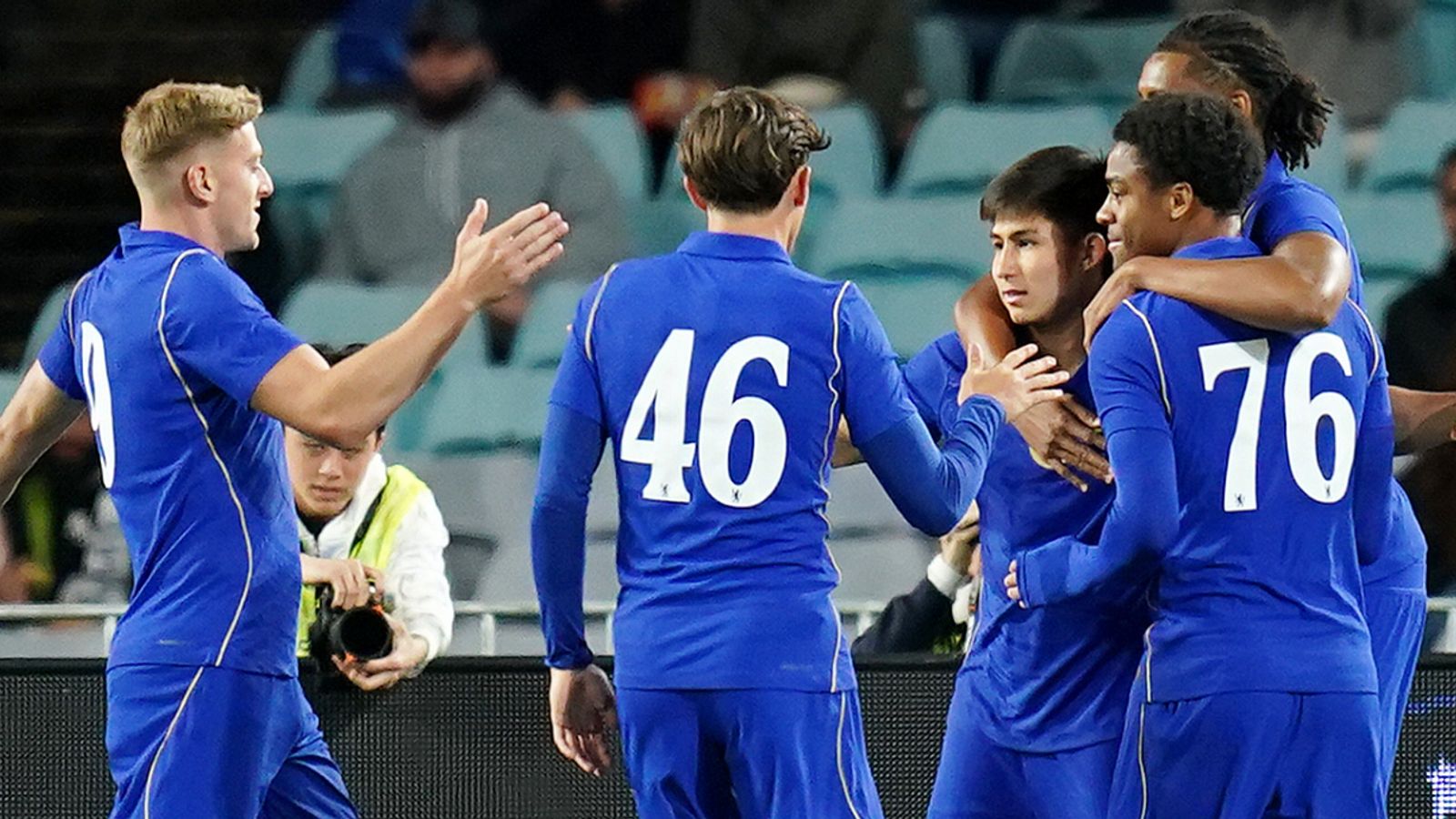
10. Xabi Alonso’s tactical debut at Chelsea in July 2026. This game marked the immediate shift in possession philosophy for the Blues, with an aggressive high-press line that caught Western Sydney Wanderers off guard in the opening sequences. While it was only a pre-season fixture, the structural discipline suggested a sharp departure from the previous regime's volatility.
9. Argentina’s comeback in the 2022 World Cup Final. Down by two goals with less than ten minutes remaining in regulation, the tactical adjustments and sheer desperation displayed against France shifted the momentum entirely. It remains the gold standard for late-game management, even if the defensive lapses in the first 80 minutes were historically poor from a structural standpoint.
8. Manchester City’s Champions League win in 2023. This victory validated a decade of financial and tactical planning, finally securing the one trophy that had eluded Pep Guardiola’s tenure. The narrow 1-0 win against Inter Milan was objectively a slog, but it secured the treble, placing this team in a specific historical bracket alongside the 1999 Manchester United squad.
7. Leicester City’s 2016 Premier League title triumph. This was a statistical anomaly that refused to regress to the mean for 38 matches. The squad relied on a counter-attacking style that maximized Jamie Vardy’s pace and N'Golo Kante’s defensive coverage. It is the single greatest outlier in professional league history.
6. Real Madrid’s 2022 Champions League run. The team survived three separate knockout stages while trailing, showing an almost supernatural ability to punish opponents for the slightest hesitation. While their tactical rigidity was frustrating at times, the individual brilliance of Vinicius Jr. and Thibaut Courtois proved more effective than organized systems.
5. Germany’s 7-1 demolition of Brazil in 2014. This was a total collapse of defensive organization, resulting in a scoreline that felt like an error in a video game. It remains the most jarring result in major tournament history, exposing massive flaws in the Brazilian federation's decision to play without a dedicated defensive midfielder.
4. Andres Iniesta’s 2010 World Cup winning goal. The strike in the 116th minute ended a match defined by aggressive tackling and near-misses. It validated the Spanish obsession with possession football at the highest level of international competition. There has never been a more technically difficult finish under such intense pressure.
3. Liverpool’s 4-0 comeback against Barcelona in 2019. Trailing 3-0 from the first leg, the efficiency of Liverpool's set-piece work at Anfield remains a masterclass in exploiting psychological fragility. The Trent Alexander-Arnold corner to Divock Origi caught the defense sleeping, serving as a reminder that focus is the most expensive commodity in the Champions League.
2. Zlatan Ibrahimovic’s bicycle kick against England in 2012. It is rare to see a goal that makes professional defenders look like youth training cones. The sheer audacity to attempt an overhead volley from 30 yards pushed the boundaries of what forward play could achieve. It is art disguised as violence.
1. The 2012 Champions League Final between Chelsea and Bayern Munich. Chelsea spent the majority of the match inside their own penalty area, only to force the issue via a late header from Didier Drogba. It was the antithesis of pretty football, yet it stands as the ultimate victory for sheer willpower over offensive talent. The penalty shootout cemented it as a chaotic, unforgettable night.
The Verdict and Honorable Mentions
The selection process here intentionally ignores sentiment in favor of impact. The 2012 Chelsea win is often mocked for its negativity, but it remains the most effective defensive performance in modern cup history. Conversely, the 7-1 result represents a total systemic failure that remains difficult to watch even today as recent reporting on tactical evolutions suggests leagues are still trying to find a tactical counter to that style of movement.
Honorable mentions go to Mario Gotze’s 2014 winner and Sergio Aguero’s 2012 title-winning goal. Both were moments of pure chaos that narrowly missed the top ten because they lacked the broader structural importance or sheer disbelief factor of the entries above. They were brilliant, but they did not change the game.