The Big Picture
Gianni Infantino's grand financial re-imagining of global football just hit a massive brick wall. With the Asian Football Confederation officially joining UEFA and Concacaf in total opposition to selling off stakes in FIFA competitions to private investors, the politics of the game have turned ruthless. Here is the definitive ranking of how this massive pushback—and the key figures driving continental unity—shapes up.
The Resistance Ranked
10. FIFA's PR Counter-Offensive
FIFA insisted that nobody is selling football after Uefa threatened to boycott tournaments if plans to sell off stakes in the World Cup go ahead. It is a classic defensive stance, but the messaging feels hollow when faced with tri-continental anger. FIFA is fighting to retain control of the narrative, yet the rhetoric is failing to convince key stakeholders.
9. Concacaf's Early Stance
Concacaf was among the first to flag serious concerns regarding private equity influence in international tournaments. Aligning early against the governing body set the precedent for broader global opposition. Without North and Central America on board, any global commercial plan falls apart fast.
8. The Threat of Tournament Boycotts
UEFA did not just express concern; they dropped a heavy hammer by threatening full tournament boycotts if the stake sell-off goes through. That leverage completely shifted the power dynamics of the negotiation table overnight. It transformed a corporate dispute into an existential threat for global football tournaments.
7. Public Fan Backlash
Supporters across Europe and Asia have reacted furiously to the prospect of private investment funds taking ownership shares in international competitions. Football culture relies on heritage rather than venture capital dividends. The fan voice continues to press continental executives into holding a hard line.
6. Commercial Stakeholders Split
Broadcasters and commercial partners are suddenly caught in the crossfire between Zurich and the regional confederations. Private equity firms want guaranteed high-yield returns, but broadcast networks fear diluted product value if major teams boycott. The financial uncertainty is causing real friction behind closed doors.
5. UEFA's Wall of Opposition
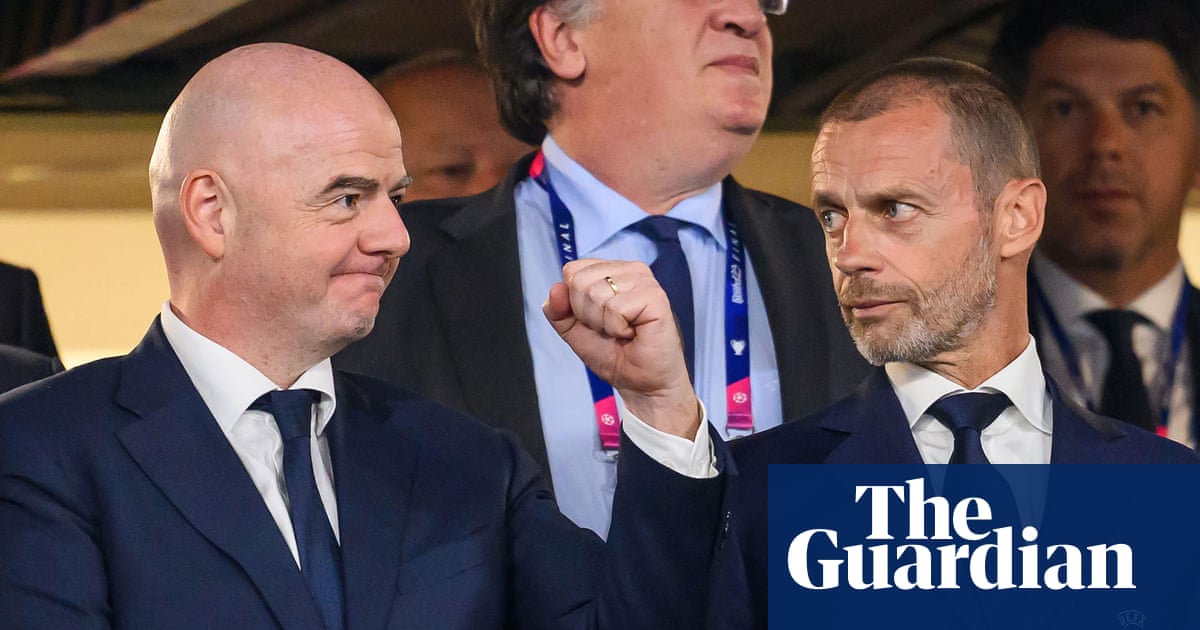
European football's governing body has consistently acted as the primary obstacle to Infantino's private funding dreams. UEFA's financial weight and control over the world's most lucrative players give its opposition real teeth. European block voting remains FIFA's toughest barrier.
4. Private Equity Ambitions
Private investment groups have been hovering around international football assets for years, seeking reliable long-term returns. However, trying to treat the World Cup like a tech startup portfolio was always bound to trigger political landmines. The aggressive push by investors has ultimately unified rival confederations against them.
3. The AFC's Decisive Move
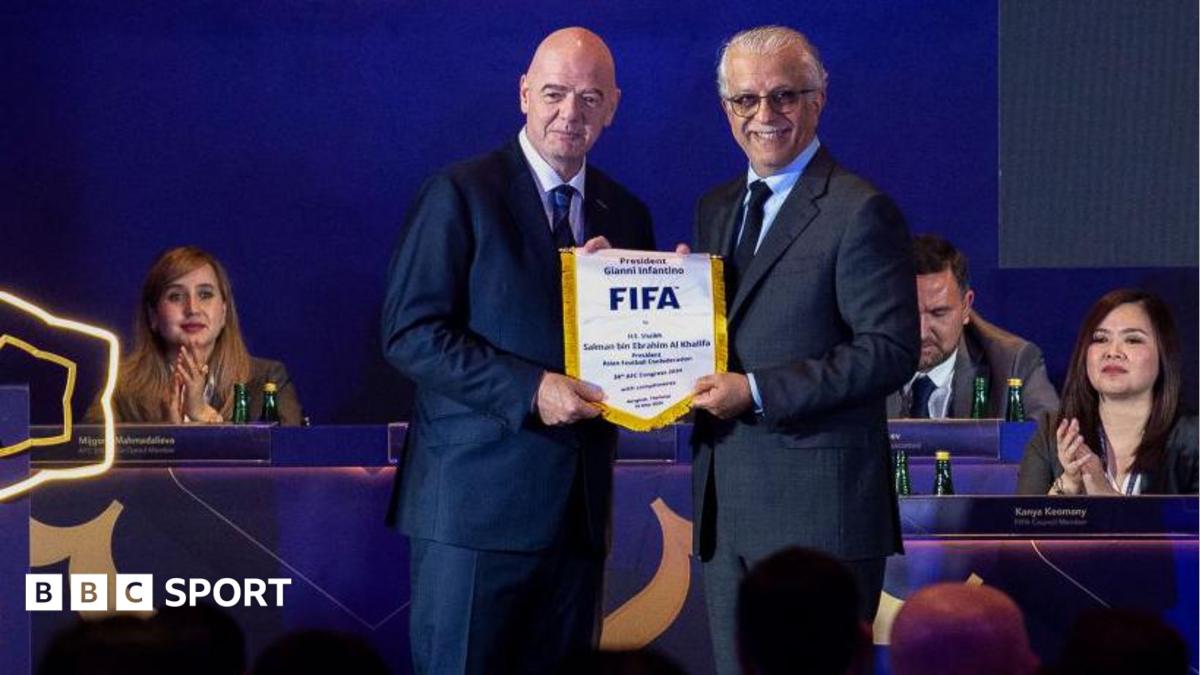
The Asian Football Confederation officially declared it stands in solidarity with Uefa and Concacaf in opposing controversial Fifa proposals. As the BBC reported, this move effectively crushed FIFA's hopes of dividing and conquering the confederations. The AFC joining the coalition turned a Western rebellion into a global block.
2. Gianni Infantino's Plan in Jeopardy
Infantino's strategic vision relied on securing backing from non-European federations to push through commercial restructuring. With the AFC jumping ship to stand alongside UEFA and Concacaf, his legislative pathway is almost entirely blocked. As Sky Sports reported, FIFA insists nobody is selling football, but the political reality tells a very different story.
1. Tri-Continental Solidarity
The top spot belongs to the historic coalition itself: Asia, Europe, and Concacaf standing shoulder-to-shoulder against Zurich. Never in recent governance history have three major confederations lined up so cleanly against a central FIFA commercial mandate. It is a seismic shift in global football politics that effectively neutralizes Zurich's authority on this issue.
Honorable Mentions
Individual national associations pushing back behind closed doors, player unions voicing workload concerns over expanded commercial formats, and independent financial regulators scrutinizing sovereign wealth involvement in tournament ownership rights.