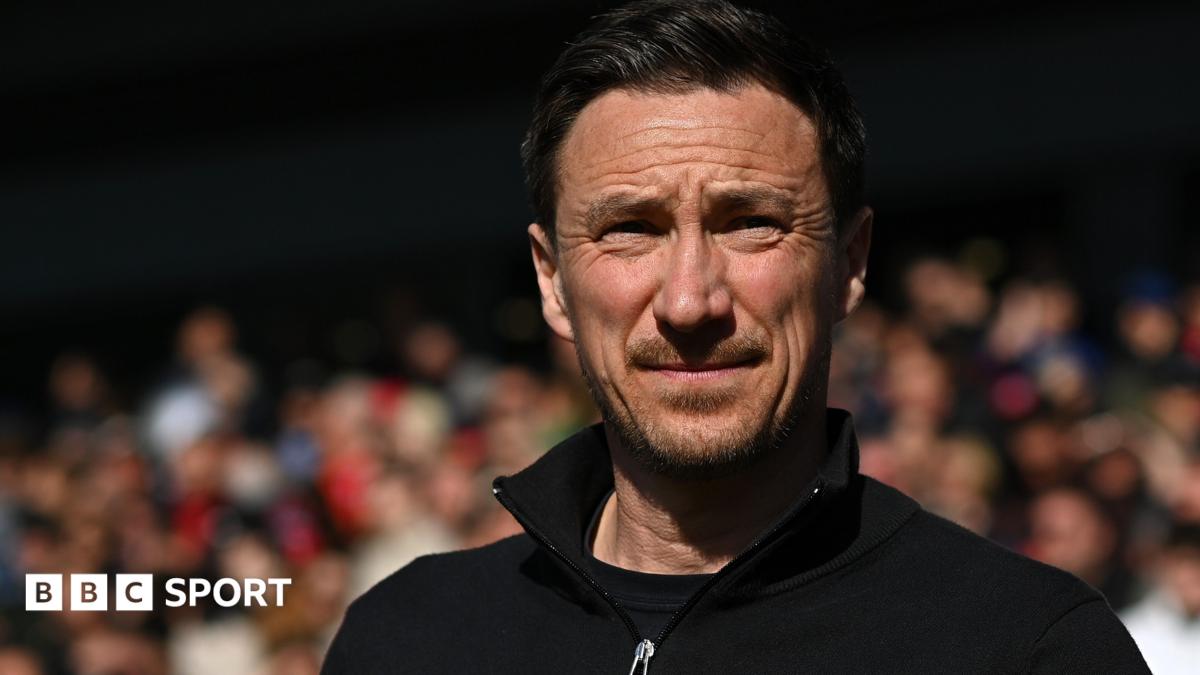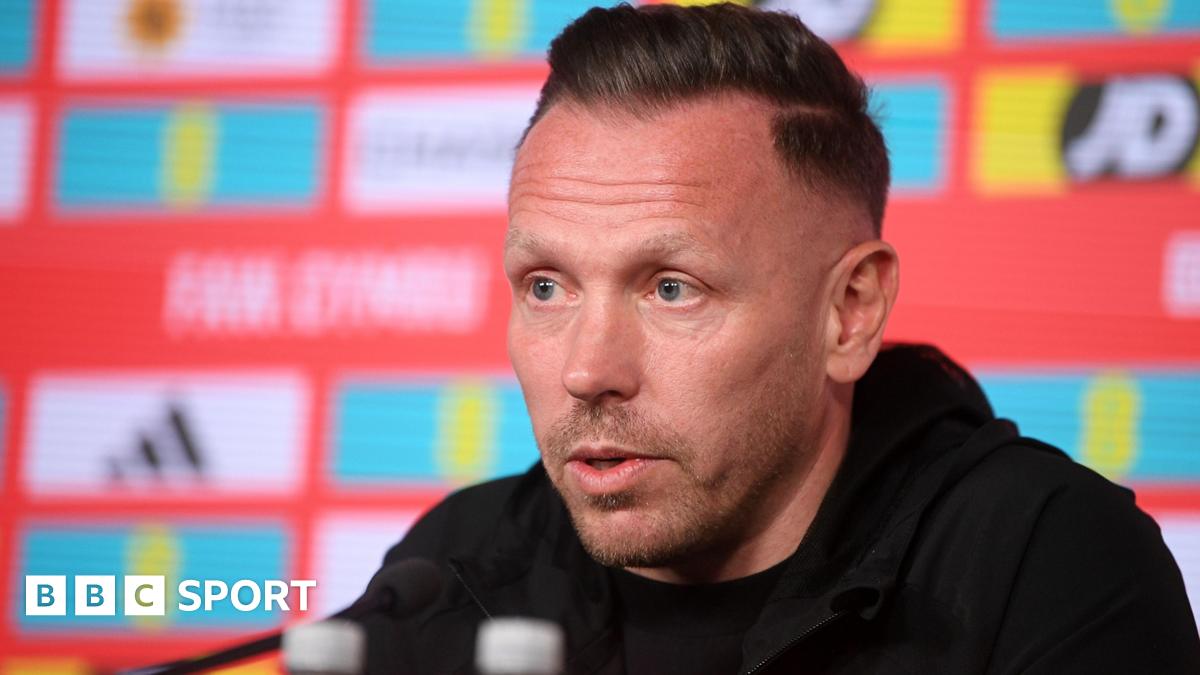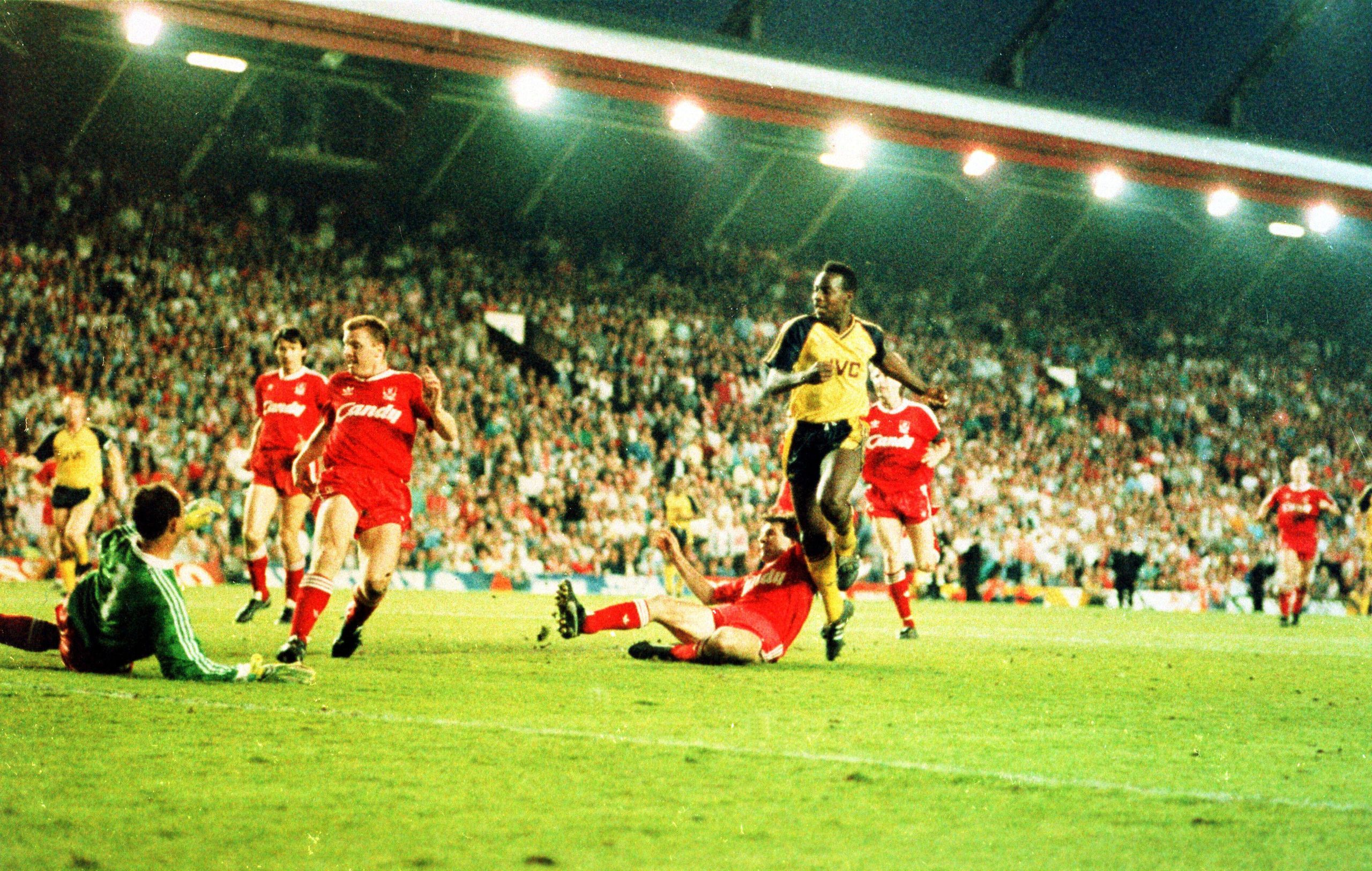
The Big Picture
Stuart Maynard represents the high-stakes volatility inherent to English football management. His journey from non-league success to a swift professional exit underscores how quickly job security can vanish even after significant achievements.
The Rankings
10. Taking the York City Reins
Maynard inherited a squad in transition upon his arrival. Taking over at York City provided a platform for his tactical implementation. This was the foundation for what would eventually become his most high-profile period as a manager.
9. Establishing Non-League Tactical Identity
Before the bright lights of the Football League, Maynard focused on possession-based models in lower divisions. Critics often argued this style lacked the physical grit needed for relegation battles. He proved them wrong enough to earn higher-level attention.
8. The Transition Complexity
Moving from a comfort zone into a high-pressure environment like York City exposed Maynard to intense media scrutiny. His ability to handle the spotlight was tested immediately in front of local fans. The pressure was relentless during his first stretch of mid-table uncertainty.
7. Managing Player Recruitment Dynamics
Maynard often had to work with limited financial resources when balancing his roster. His scouting process prioritized technical skill over sheer size. This strategy occasionally left his backline exposed against direct, long-ball tactics.
6. The Mid-Season Tactical Pivot
There was a specific point during his tenure where results stagnated. Maynard adjusted his formation to push his full-backs higher up the pitch. This shift created a narrow window of improved form that likely saved his short-term job security.
5. The Communication Style
Internal reports suggested that his direct communication style with the squad was both a strength and a potential friction point. Players often lauded his honesty during training. However, it reportedly caused tension with some senior personnel who expected different man-management approaches.
4. Developing Youth Prospects
One of Maynard’s clearest achievements was integrating talent from the academy into the senior setup. These players provided necessary energy during congested fixture lists. His development record remains a significant asset on his managerial resume.
3. Bridging the Gap to the EFL
Leading York City into the professional ranks of the English Football League was the high-water mark of his career. This achievement cemented his reputation as a manager capable of winning titles under pressure. The club valued this promotion as the primary objective for the season.
2. The Three-Month Cliff
The stark reality of football arrived for Maynard exactly after that promotion. According to recent reporting from the BBC, he was let go just three months after the promotion celebrations. This exit serves as a reminder that past success rarely buys extra time in modern management.
1. The Departure from York
The confirmed exit of Maynard marks the most defining moment of his professional path thus far. As noted via Sky Sports coverage, he left the club abruptly following a failure to maintain momentum. This rank sits at number one because it defines the current state of his career and forces an immediate reckoning for his future.
Reflections on a Stalled Campaign
Maynard's exit serves as a harsh observation on the cruelty of the profession. His inability to translate promotion euphoria into squad stability in the league meant the board acted quickly. While it is easy to sympathize with a manager removed shortly after bringing a trophy to the club, the business necessitates rapid results. The lesson here is clear: management in English football is not a process-oriented endeavor, but a results-based ultimatum.
Honorable Mentions
- The tactical setup during the early winning streak.
- His post-match press conferences that often provided genuine insight into team internal dynamics.