The Big Picture: More than a midfielder
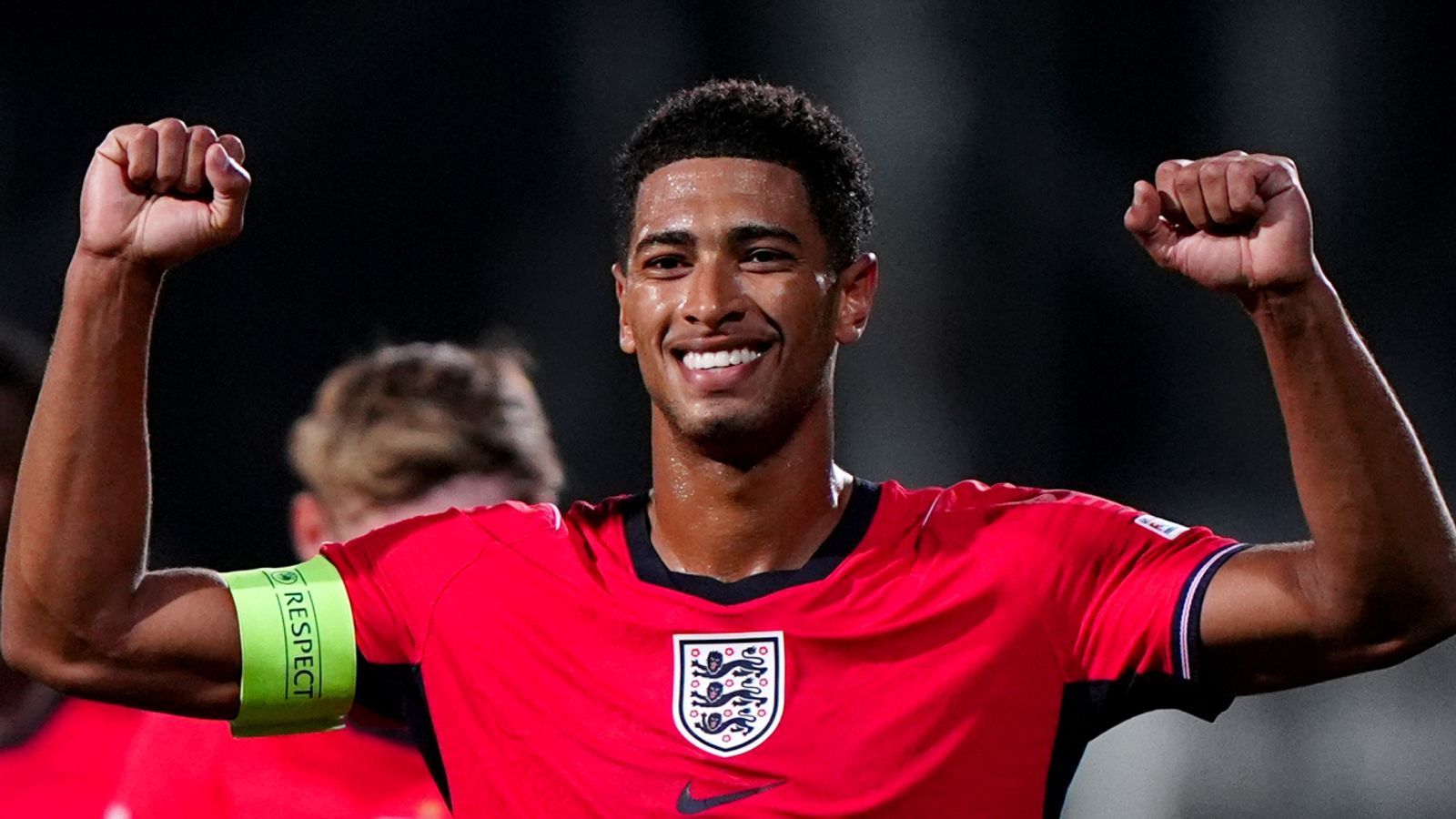
Jude Bellingham has transitioned from a West Midlands prospect to a global center-piece. His willingness to address internal friction within the England camp marks a shift in his maturity.
These rankings track his technical impact, leadership growth, and the occasional friction caused by his blunt honesty.
1. The Tactical Engine Room
Bellingham dictates rhythm like a veteran regardless of the formation. While managers like Thomas Tuchel experiment with structures, Jude remains the singular constant ensuring the transition from defense to attack stays fluid.
His spatial awareness allows him to recover possession and ignite counter-attacks within three seconds. He earns the top spot because he is the rare player who operates as both the pivot and the creative outlet.
2. High-Stakes Honesty
His recent comments regarding England's internal camp atmosphere prove he values accountability over PR management. As Mirror Football reported, his frank assessment of team dynamics suggests a player no longer content with status quo comfort.
This level of transparency causes friction with veterans, but it pushes the squad toward professionalism. He ranks high because he refuses to ignore the 'bad vibes' that historically sink tournament runs.
3. The Tuchel Selection Clash
There is real tactical tension behind the scenes regarding roster management. When discussing specific squad inclusions, his remark that fans shouldn't get them started on certain players signaled a deep rift in squad philosophy.
As detailed by The Mirror, this public pushback against specific call-ups shows he is willing to confront management. It is a bold move that carries significant political weight within the Football Association.
4. Managing the Rooney Effect
Wayne Rooney famously noted that Bellingham’s comments have ruffled feathers among the senior playing staff. Managing the transition between generations requires a diplomatic touch he is still developing.
He earns this rank for his ability to handle external criticism from legends of the game. He isn't shrinking from the spotlight; he is actively leaning into the pressure.
5. Statistical Output vs. Fatigue
His workload is immense, often leading to performance dips in the 75th minute of major fixtures. He covers more ground than any other midfielder in the Champions League, which explains the occasional lethargy late in matches.
He ranks fifth because his heavy usage is a double-edged sword. If he doesn't learn to pace his efforts, his longevity will be compromised.
6. Leadership Under Duress
He is the natural leader for the next generation, often acting as a bridge between the youth and the established core. He is comfortable demanding higher standards from teammates, which is a rare trait for a player his age.
He is ahead of other 'leaders' because he proves it through individual intensity. When the game slows down, he is the one who initiates the speed increase.
7. Defensive Recovery
His ability to track back and stop transitions is vastly underrated by casual observers. He frequently records over 10 recoveries per game in high-stakes ties.
Critics point to his occasional lack of positional discipline, but that is a function of his roaming freedom. Without this defensive output, the tactical balance of his side would collapse.
8. Set-Piece Threat
Timing his arrival into the box for corners is a core part of his tactical identity. He has refined his runs to exploit gaps that defenders leave when they focus on traditional strikers.
This adds an overhead of roughly 5 goals per season to his tally. It makes him essential against deep-blocking teams who refuse to engage in open play.
9. The Marketing Icon
Beyond his play, he represents a major commercial shift for European football. He bridges the gap between traditional sports audiences and younger, digital-native fanbases.
However, this can occasionally look like a distraction. If he struggles on the pitch for even three matches, the headlines inevitably cycle back to his brand rather than his form.
10. The Need for Consistency
He lands at ten because there remains an inconsistency in his temperament when calls go against him. He tends to focus too much on refereeing decisions rather than the next phase of play.
As reported by Mirror Football, when focus shifts to external complaints, the team suffers. Mastering emotional restraint is the final hurdle to becoming the definitive player of this era.
Honorable Mentions
His aerial duel win rate deserves a nod, although he often misses the clean connection on crosses. His passing accuracy, specifically in the final third, is elite but sometimes lacks the clinical finish required to break low blocks. We are seeing a player still in the middle of a massive growth curve.
Read Next
- The math behind the spoiler-free sports consumption trend
- Top 10: The Most Unfiltered Moments in Modern Football Broadcasting
- Beth Mead to City is the move that broke Arsenal fans’ hearts
- Bosnia-Herzegovina control midfield against Canada through tactical aerial pivots
- 🏴 England World Cup 2026 — Three Lions Hub