The Big Picture
The 2026 football calendar has been marked by high-level exits and institutional transitions. These ten moments represent a shift from long-standing tenure toward rapid, often uncomfortable, organizational renewal.
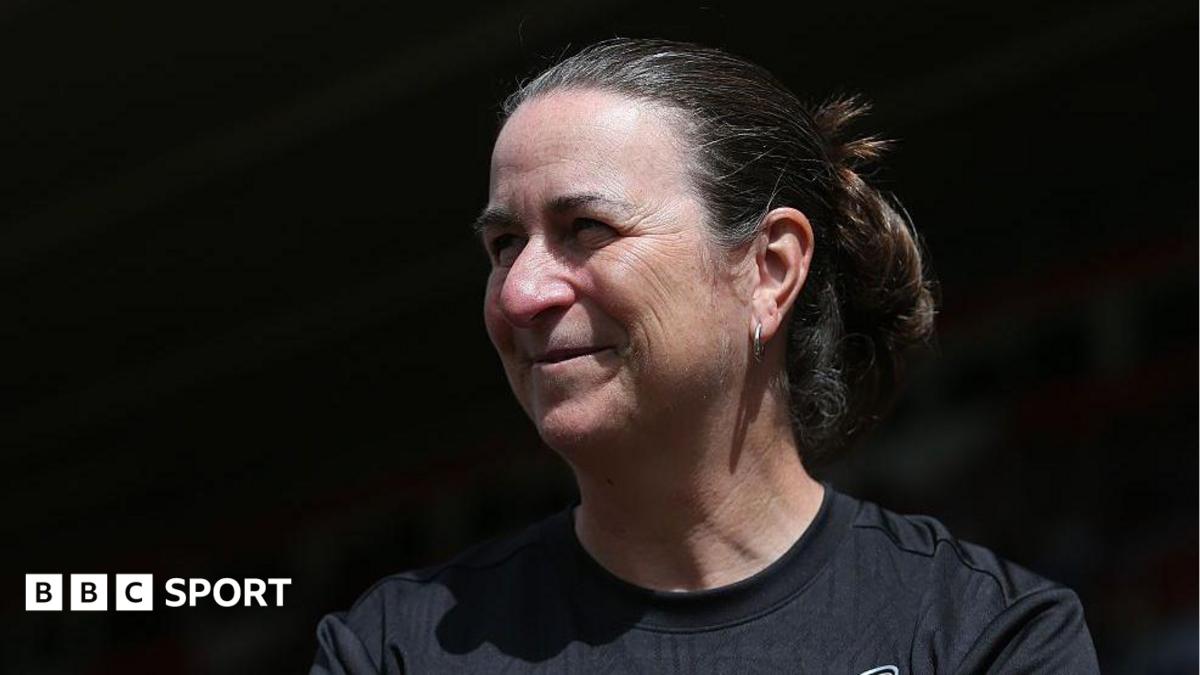
10. Marieanne Spacey-Cale Resigns from Southampton
Marieanne Spacey-Cale announced her departure from the director of women's football role at Southampton. After years of building the department, her exit signals a changing of the guard within the Saints' internal hierarchy. It lands at number ten because, while significant for Hampshire, it lacks the seismic impact of global structural shifts. Observers are still waiting for the club to name a permanent successor to manage the transition effectively.
9. VAR Reform Discussions Reignite
Leagues across Europe have entered a period of heated debate regarding the centralization of video reviews. Technical directors are questioning whether human input has been diluted beyond the point of reason. This ranks ninth because the conflict is internal, bureaucratic, and often results in nothing but further confusion for ticket holders. Reform is necessary, but the current state is stagnant.
8. Tactical Shift Toward High-Press Fatigue
Coaches this season are openly acknowledging the physical toll of constant, high-intensity pressing cycles. By July, injury lists at major clubs have grown to include more muscle-related issues than in previous seasons. It earns this spot because medical departments are now at odds with managers who refuse to dial back their offensive schemes. The stubbornness shown by top-flight coaches is creating an unsustainable trend of player burnout.
7. Youth Academies Adopting Advanced Analytics
The move toward data-driven scouting for under-18 prospects is no longer an innovation, but a requirement. Clubs are moving assets away from traditional scout networks to prioritize algorithmic performance tracking. While efficient, the lack of human eye-tests in recruitment leads to cold, robotic roster building. It is a win for accountants but a net loss for the unpredictability of the sport.
6. The Decline of the 'Pure' Box-to-Box Midfielder
We are witnessing the death of the classic roaming engine as managers demand rigid positional discipline. Modern setups prioritize zone occupation over individual flair or freedom. This shift is technically proficient but arguably sanitized, stripping away the individual brilliance that once defined the position. The tactical rigidity of 2026 makes every match feel like a solved puzzle.
5. Late-Season Fixture Congestion Chaos
The fixture list has become physically impossible to manage, forcing managers to field rotated squads against serious competition. It remains the most glaring failure of league administrators who continue to inflate the schedule. Managers have reached their limit, and public criticism of the calendar is now common. The lack of player welfare consideration is the biggest black mark on the current season.
4. Strategic Shifts in Transfer Fee Inflation
Global transfer spending has cooled as clubs hover near spending caps, fearing regulatory intervention. We are seeing fewer massive bids and more complex, structured deals involving future performance clauses. It ranks highly because it signals a move toward fiscal sanity, even if it forces fans to interpret massive legal contracts instead of watching signings. The era of the reckless billionaire owner is officially on life support.
3. Expansion of Neutral Venue Showcases
Leagues are increasingly exporting marquee matchups to international markets to capture revenue. While this grows the profile of the game, it effectively abandons local fanbases who struggle with travel and scheduling. The alienation of the core, historic audience is a price being paid for short-term growth goals. It is a shallow victory that risks the soul of club loyalty.
2. Standardized Pitch Quality Mandates
New regulations now require specific sub-surface heating and drainage levels across all tier-one stadiums. The result is a consistent, fast surface that favors high-speed passing sequences. While the ball moves better, it has removed some of the grit and home-field distinctiveness that made away matches difficult. It is a clean, sterile outcome that prioritizes television broadcasting over grit.
1. Internal Boardroom Restructuring at Top-Five Clubs
The total replacement of executive boards with multi-role committee structures is the single biggest change in football operations this year. Decisions that were once made by a single director now require committee consensus. This has slowed down rapid decision-making in the transfer market, leading to missed opportunities. It is the most impactful trend, and arguably the most damaging to the speed of modern football.
Honorable Mentions
The implementation of semi-automated offside technology has quieted some complaints but created new dilemmas regarding human oversight. Additionally, the increasing reliance on short-term technical consultants has led to a revolving door of staff that prevents long-term squad cohesion.
Read Next