Measuring the metrics of momentum
The 2026-27 football calendar is hardening. Performance during the opening weeks of a campaign defines the eventual order of the table.
We are tracking current form from the preseason circuits and early fixture announcements. Here are the 10 moments currently shaping the narrative.
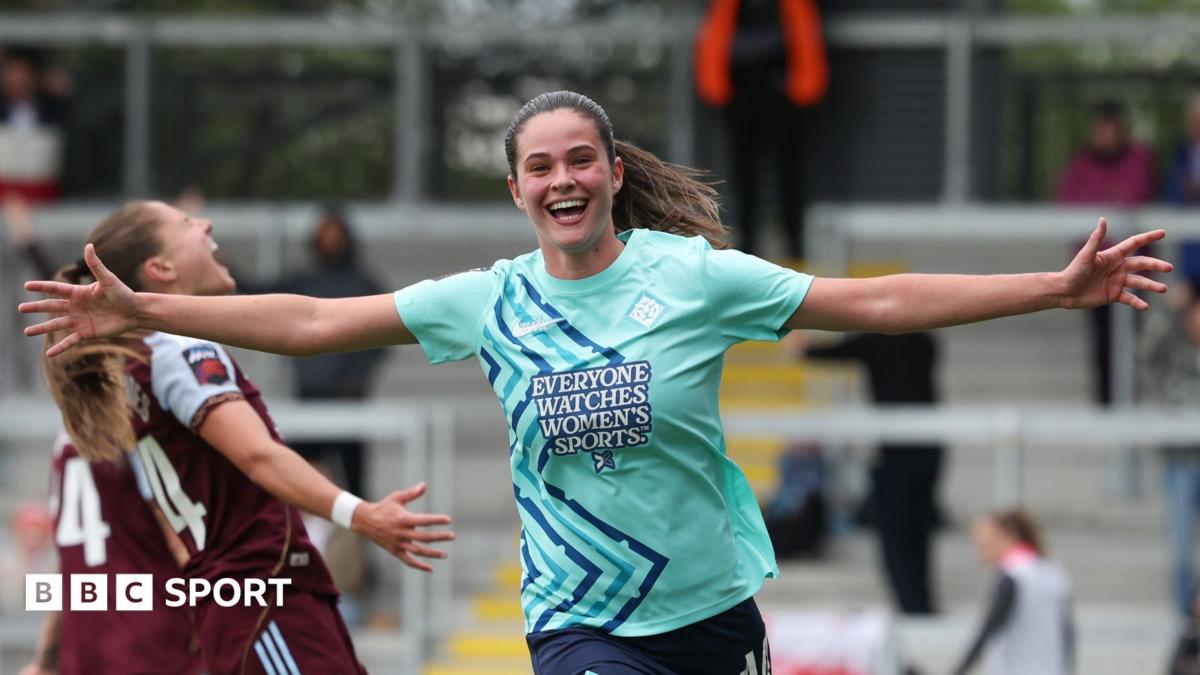
1. The London City Lionesses draw
London City Lionesses securing Manchester United for the opening weekend is the biggest booking of the season. It tests the newly promoted side immediately while forcing Marc Skinner to prove his tactical adaptability early. United cannot afford a slow start after last year's inconsistencies. This fixture defines the tone for the entire lower half of the table.
2. Rio Ngumoha impact at Yankee Stadium
The youth prospect injected urgency into a display that lacked teeth against Wrexham. His involvement shifted the tempo when the squad looked stagnant in the New York heat. He earned his minutes by turning a stalemate into a win. It remains a rare bright spot in a disjointed summer tour.
3. Manchester United's tactical recalibration
The coaching staff is currently reworking the system to address defensive gaps seen in previous campaigns. This effort is necessary but carries high risk before the opening whistle against the Lionesses. Whether they can integrate new patterns before September is the most pressing concern for the fanbase. It is work happening behind closed doors that will dictate their actual ceiling.
4. Liverpool's narrow win in the Bronx
A 1-0 result against Wrexham is not enough to declare the squad championship-ready. The performance showed a lack of clinical finish in the final third. While a win is a win, the lack of fluidity against lower-league opposition serves as a warning. They need more than individual moments to survive the winter month schedule.
5. The wait for total squad cohesion
Multiple clubs are still waiting on transfer movement to shore up their depth. Manchester United, in particular, looks thin in the midfield rotation. If they do not finalize deals before the opener, they will struggle to manage the intensity of a long season. Management is playing a dangerous game with depth.
6. The heat of the New York friendly
Playing in extreme conditions at Yankee Stadium stripped the game of technical quality. Both benches experimented with lineups, rendering the match-day tactics useless for mid-season analysis. It proved that exhibition matches rarely deliver quality high-level preparation. Fans paid for a spectacle and received a dry exercise in energy conservation.
7. Tactical experimentation under pressure
Managers are testing inverted wingers and three-at-the-back systems throughout the pre-season window. The failure to commit to a primary formation suggests significant uncertainty. This indecision could haunt teams once the league points start counting. Stability is often more valuable than experimental variations.
8. Fixture list scrutiny
The announcement of the WSL schedule has revealed a demanding stretch for mid-table sides. Manchester United’s travel itinerary is unforgiving. A tough away day on opening weekend forces a team to peak physically too early. That intensity can lead to soft tissue injuries by late October.
9. Defensive structural changes
Watching teams shift between zonal and man-marking in low-stakes friendlies is tedious. The lack of communicative discipline in these friendly settings signals potential chaos for the set-piece defense. If they cannot sort their lines in July, they will hemorrhage goals under pressure in November. Defensive organization is a non-negotiable requirement for a top-four finish.
10. The lack of attacking spark
The most alarming trend across the pre-season circuit is the lack of coherent build-up play. Even when winning, sides are reliant on individual brilliance rather than team structure. This is arguably the biggest flaw in the current pre-season buildup. Without teamwork, the reliance on talent will inevitably hit a wall during the winter fixture slog.
Honorable Mentions
The surge of investment into training facilities remains secondary to the actual product on the pitch. The tactical training camps in the United States often function more as marketing tools than legitimate footballing preparations. The late return of international players from tournament duty has also stunted the synchronization of the first teams. None of these factors will excuse early points dropped in September.