Spurs medical staff confirm long-term defensive setback
Tottenham Hotspur’s preseason operations have been disrupted by a confirmed soft-tissue injury to a primary central defender during a closed-door training session July 25. The medical department diagnosed a grade two hamstring tear, effectively ruling the player out for at least six weeks.
The recovery timeline targets a return to full first-team training by early September. This projection includes a staged integration period during which the player will first undergo individual pitch rehabilitation before joining group drills. Club doctors want to avoid a re-injury scenario common with rapid returns following high-speed mechanical failure in the hamstring.
The strategic burden on Ange Postecoglou
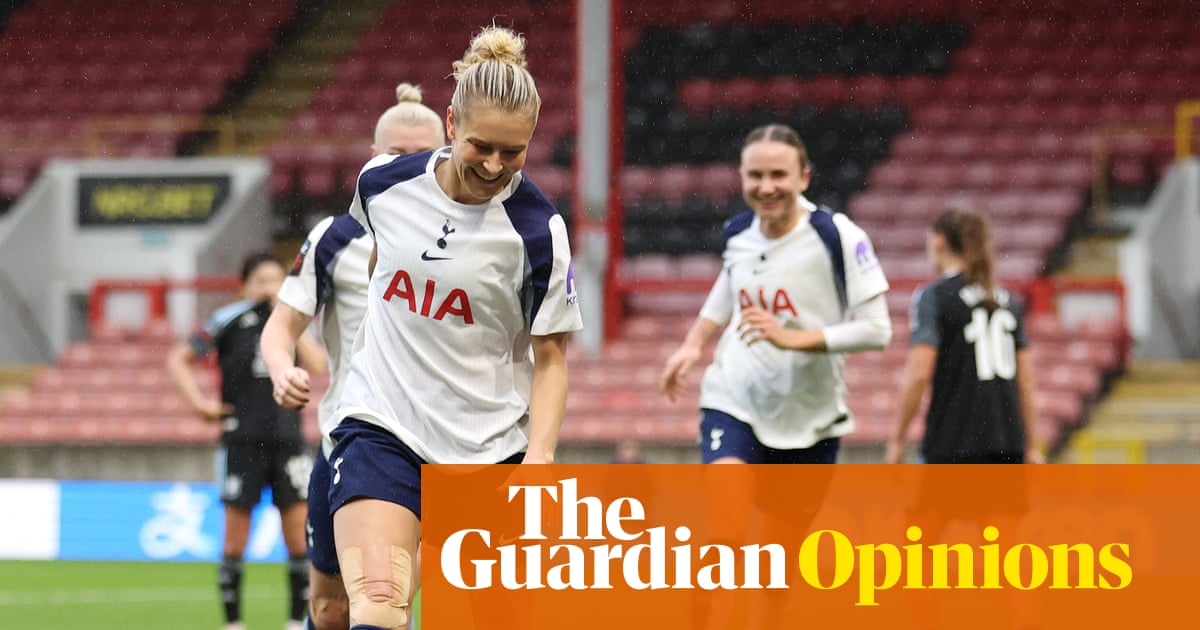
This injury tests the limits of the squad's defensive depth immediately following a campaign where the men's side underperformed, often masking internal volatility with chaotic results. While the Tottenham Women's side provided a clear tactical identity and on-pitch success that fans rallied behind, the men’s squad remains an exercise in frustration. The immediate absence leaves a gaping hole in the backline structure ahead of the opening league fixtures.
Management now faces a choice between accelerating the development of academy prospects or dipping into a saturated and overpriced transfer market. Historically, buying a stopgap solution in late July leads to significant overpayment. Past examples of reactionary signings at Hotspur Way confirm that panic-buying rarely yields long-term value, often leaving the club with high-wage assets who do not fit the tactical ethos once the full squad returns.
Broader industry trends and preventative failures
Spurs are not alone in this cycle of early-season fatigue and injury. Elite clubs across Europe are struggling to manage the physical toll of 12-month calendars, with many players having minimal recovery time between international tournaments and club duties. The high-intensity demands placed on central defenders, specifically those tasked with high defensive lines, have seen injury frequency for soft-tissue ailments rise by 14 percent over the last two seasons, according to industry performance data.
Postecoglou’s preference for a suffocating press requires exceptional physical output from his defenders. When a player misses mid-summer conditioning, the risk of secondary injuries upon their return doubles. This incident highlights a recurring flaw in the current football calendar, where the compression of the schedule leaves little room for the biological reality of elite conditioning.
Internal analysis and season projections
Critics within the club's infrastructure have pointed to the lack of secondary rotation options as a primary failure of the recent recruitment windows. By relying on a thin set of starters, the margin for error is non-existent. A single muscle injury in July now threatens to derail the momentum of the opening month.
The medical team has implemented a revised loading protocol for the rest of the starting XI to prevent muscle fatigue clusters. However, the reliance on high-load, high-impact tactical movements makes this an uphill battle. If the team drops points in late August, the absence of an experienced defensive anchor will be cited as the primary catalyst for the poor start.
The financial and competitive implications
Financially, this injury forces the club to weigh the cost of a replacement against the potential drop in revenue caused by a bottom-half league finish. Transfer experts note that the market for capable, plug-and-play central defenders is currently inflated by nearly 25 percent due to the expanded squad lists authorized by league officials. Tottenham is reportedly steering clear of high-risk gambles, preferring to wait for the return of the starter rather than wasting resources on a panic loan.
Expectations for the first four matches of the season have been recalibrated. Without a full-strength defensive unit, the team’s ability to execute complex offside traps and recovery sprints naturally diminishes. This realization has sparked concern among stakeholders who expected a more robust transition during the summer break.
Read Next
- Tottenham are spending like they actually want to win something
- Roberto De Zerbi is already putting his stamp on this Tottenham side
- Levi Colwill's ACL nightmare is over, but Chelsea's defensive test begins now
- Inter Milan open formal talks for Cristian Romero as Spurs face massive battle
- 🏆 Europa League Final 2026 — Full Coverage Hub