Three catastrophic individual errors in 180 minutes of elite football do not just lose matches; they break a tactical foundation. When Manchester City walked off the pitch at Villa Park on Saturday following their first Premier League defeat of the season, the problem sat directly between the posts. Gianluigi Donnarumma had failed again.
The Anatomy of Donnarumma’s Technical Collapse
Goalkeepers at this level are judged on microscopic margins, but Donnarumma's October form is an outright statistical anomaly. Across consecutive defeats against Paris Saint-Germain and Aston Villa, the Italian has been culpable for three opposition goals. That is an active liability costing points across two competitions.
Against PSG in this month's 4-1 Champions League thrashing, the European holders exposed Donnarumma's sluggish parry mechanics. The Italian gifted goals to Désiré Doué and Maghnes Akliouche through clumsy handling. When a keeper concedes three goals from unforced errors inside two weeks, systems break down.
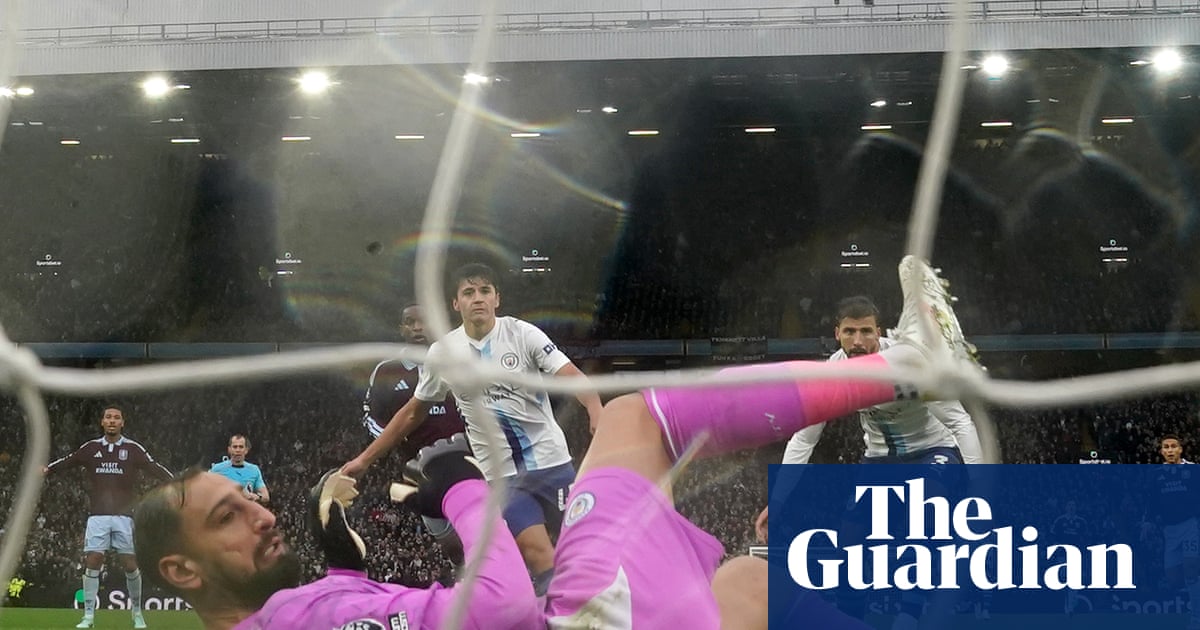
At Villa Park, that exact technical flaw decided the match. Nicolas Jackson unleashed a strike from distance that should have been routine. Instead, the ball squeezed under Donnarumma’s body, condemning City to their first domestic defeat of the campaign.
Enzo Maresca chose to defend his goalkeeper rather than publicly question his technique. As The Guardian reported on Maresca’s defensive headache, the manager framed the errors as an unavoidable consequence of an overloaded football calendar.
“They play so many games and minutes that sometimes it’s impossible not to make mistakes. He’s a strong character. He knows that when he makes a mistake, he doesn’t need us to tell him – sometimes it’s so clear so they recognise this.”
Maresca's defense cannot obscure the tactical problem. City's high defensive line requires complete certainty in goal. When the shot-stopper spills routine long-range efforts, the central defenders drop deeper, opening the exact half-space pockets Maresca works to eliminate.
Marc Guéhi and the Breakdown of Defensive Rest-Defense
Donnarumma is not suffering in isolation. Centre-back Marc Guéhi is enduring an alarming slump in positional awareness. Guéhi was culpable for Jackson’s opener on Saturday, mistiming his step and allowing the striker clean passage on goal.
Seven days earlier, City edged past Ipswich Town in a chaotic 3-2 finish. That match should have been comfortable, yet Guéhi conceded an unnecessary late penalty that sparked panic. His decision-making in isolated 1v1 duels has suddenly deteriorated.
This trend extends into international competition. Playing for England against Spain in the Nations League last month, Guéhi committed an early error that allowed Lamine Yamal to score. Three individual mistakes across three separate competitions in four weeks is an unsustainable rate for a title contender.
Maresca stood by his defender with identical public loyalty. The manager praised Guéhi as a leader and captain who recognizes his own faults instantly. But leadership cannot substitute for missed tackles and late penalty concessions.
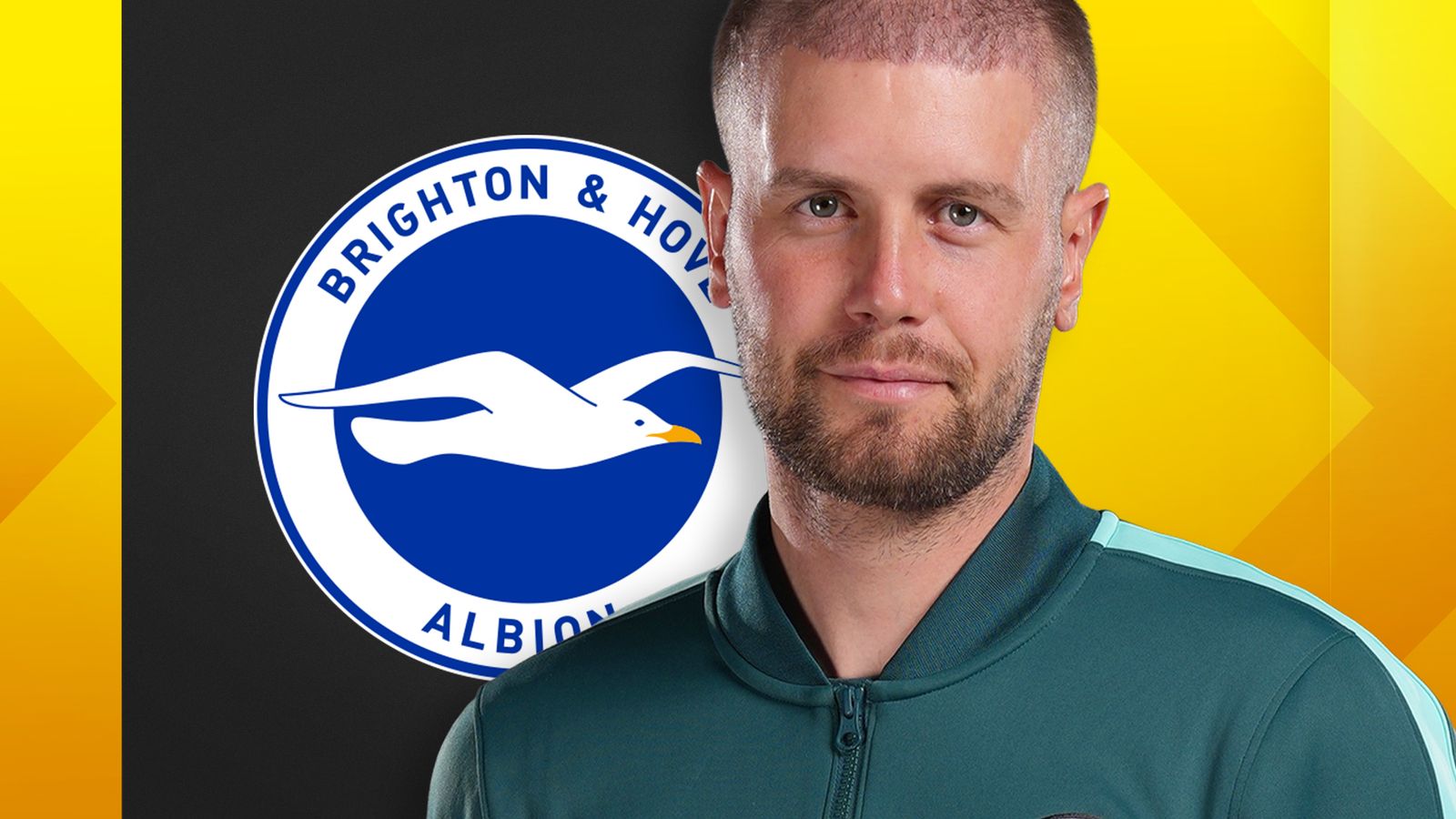
The coaching response has been swift. Donnarumma will be pulled from the firing line on Wednesday for Brighton's visit in the Carabao Cup, with Geronimo Rulli deputising in goal. Dropping a starting goalkeeper for a cup tie is standard, but here it looks like an intervention.
More remarkably, Maresca granted five outfield leaders an immediate three-day holiday following the Villa Park loss. Erling Haaland, Rúben Dias, Elliot Anderson, Gianluigi Donnarumma, and Josko Gvardiol were all sent away to recover. The manager is gambling that physical detachment can cure cognitive fatigue.
Giving five key starters three days off in late October highlights City's extreme physical strain. Dias and Gvardiol anchor City's defensive buildup, while Haaland and Anderson drive transitions. Without them, Wednesday’s cup match becomes an unpredictable test of squad depth.
Iraola’s High-Intensity Blueprint Takes Root at Anfield
While City attempt to unplug their exhausted core, Liverpool are accelerating in the opposite direction. Sunday’s win over an in-form Brighton side marked four successive victories across all competitions for the Merseyside club. It also delivered Andoni Iraola his first Premier League home win at Anfield.
Iraola was appointed in the summer to replace Arne Slot and rebuild an emotional bond with Anfield. The tactical evolution has been demanding, moving from controlled possession to high-tempo duels. Sunday proved that the manager's aggressive blueprint is taking hold.
The victory was built on physical commitment rather than sterile ball circulation. Liverpool's players threw themselves into challenges, made constant runs in behind, and dominated defensive duels across the pitch. It was an unapologetic display of combat football.
Speaking after the final whistle, Iraola noted that belonging at Anfield requires consistent performances and victories. As The Guardian noted in Iraola’s post-match comments, the Basque coach saw real signs of unity.
“I said it since the first day: you have to earn the right to belong and you only get it with good performances, with wins, and this will take time.”
The stylistic contrast with Arne Slot’s tenure is unmistakable. Slot favored patient buildup and defensive structure. Iraola wants controlled chaos, demanding his players block every shot, contest every duel, and turn every turnover into an immediate sprint toward goal.
The Rest Deficit: Managing Chelsea, Arsenal, and Midfield Injuries
Here lies the central tactical paradox of late October. Manchester City are struggling with mental fatigue despite dominating possession, while Liverpool are surging under a severe rest deficit. Iraola’s squad faces an intense sequence with virtually zero recovery time.
Liverpool host Chelsea on Wednesday night in the Carabao Cup last 16. Just four days later, title rivals Arsenal arrive at Anfield, before an away visit to Crystal Palace. Three high-stakes fixtures in rapid succession will test Iraola's squad depth to its absolute limits.
In his pre-match briefing, Iraola acknowledged this disadvantage directly. In Iraola’s assessment of Liverpool’s schedule, the manager pointed out that his team will have less time to rest than Chelsea, Arsenal, and Crystal Palace.
Compounding the schedule problem, Liverpool’s treatment room is filling up rapidly. Creative playmaker Florian Wirtz was forced off against Brighton with an ankle injury, leaving his availability for Chelsea in serious doubt. Losing Wirtz removes the team's sharpest passer in the final third.
Dominik Szoboszlai and Victor Muñoz also remain doubtful, gutting Liverpool's central midfield options. Without these attacking outlets, Iraola will be forced to rotate heavily against Chelsea. He must protect his starters for Arsenal without abandoning his cup ambitions.
Iraola admitted that changes are inevitable given the tight turnaround. Adapting to schedule disadvantages is an unavoidable reality in English football. When legs tire, tactical discipline and duel-winning efficiency must compensate for depleted energy reserves.
Key Tactical Divergences Between City and Liverpool
The contrasting approaches of the two managers over the last 72 hours illuminate how fatigue and form intersect during a congested autumn schedule:
- Goalkeeping Reliability: Donnarumma committed three errors leading to goals in two defeats, prompting Maresca to start Geronimo Rulli against Brighton.
- Rest Allocation: City gave five key starters three days of total rest, whereas Liverpool face three fixtures with minimal recovery.
- Defensive Execution: Marc Guéhi made three decisive errors across club and country since September, destabilizing City's defensive line.
- Physical buy-in: Iraola turned four straight wins into tactical alignment at Anfield, relying on duels and transitions to offset mounting injuries.
The counterintuitive finding is that scheduled rest does not guarantee tactical sharpness. City had ample time to prepare for Aston Villa, yet individual errors destroyed their plan. Concentration failed under pressure, showing that physical freshness cannot override basic mechanical breakdowns.
Liverpool, meanwhile, are thriving on momentum despite physical depletion. The squad is visibly tiring, yet their willingness to win duels against Brighton masked technical fatigue. Adrenaline and tactical clarity can carry a team through short-term schedule deficits.
If Wirtz misses the clashes with Chelsea and Arsenal, Liverpool’s system will face an authentic test. Iraola’s pressing traps must generate transitional opportunities when his chief creator is sidelined. The manager's high-intensity model cannot afford any drop in work rate.
For City, the three-day holiday for Haaland, Dias, Anderson, Donnarumma, and Gvardiol is a high-risk gamble. If Rulli falters against Brighton, Maresca's man-management will come under heavy scrutiny. Rest is useful, but only if technique returns with it.