The high-octane bet at Tottenham
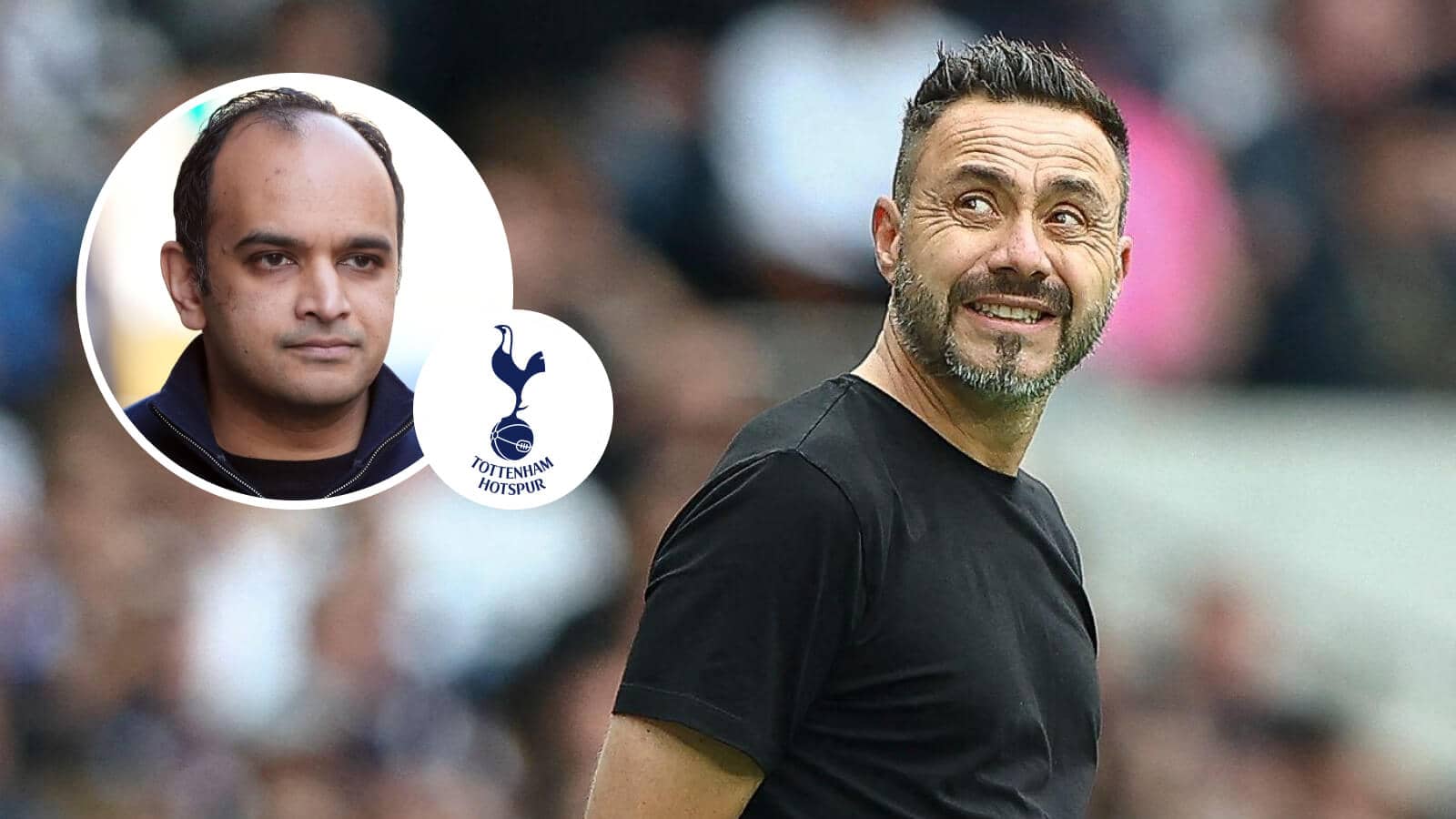
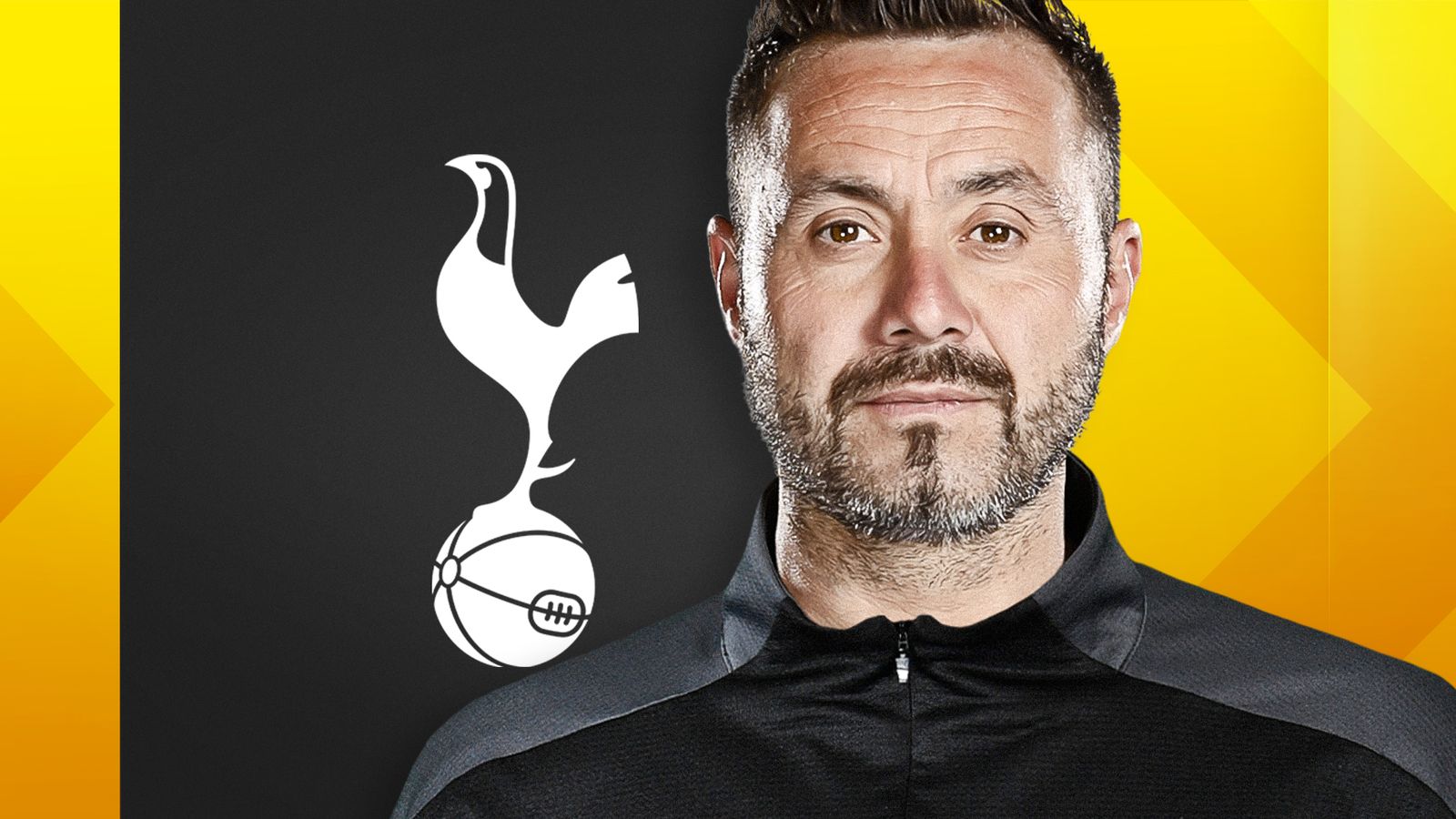
Tottenham Hotspur is doubling down on tactical volatility. With the latest buzz surrounding Roberto De Zerbi's appointment, the club is signaling a clear move away from the cautious transitions of the recent past. Micky van de Ven recently outlined his expectations for more enjoyable football, but enjoyment is not the same as winning titles. De Zerbi’s brand of football is a high-wire act that requires specific profiles to succeed. When it works, it looks like a refined, synchronized machine. When it falters, it is a defensive catastrophe.
The defensive math of the De Zerbi system
De Zerbi’s setup relies on a goalkeeper acting as an auxiliary playmaker. This effectively demands a high defensive line that leaves enormous space in behind. While this is great for possession metrics, it is a liability in a league as physically demanding as the Premier League. Van de Ven has the pace to recover, but pace alone cannot fix a broken transition structure.
The data from his tenure at Brighton highlights the core issue. His teams notoriously struggle against low-block setups that utilize rapid counter-attacks. They conceded a staggering number of shots on goal from turnovers in the final third. At Tottenham, the tolerance for those defensive lapses is non-existent. Fans expect a push for a Champions League spot, and that requires a baseline goal difference that De Zerbi has rarely maintained over a full campaign.
Why this won't end in a trophy
The problem isn't just the tactical philosophy. It is the lack of a Plan B. Throughout his time in the top flight, we have seen teams figure out the Brighton build-up pattern by clogging the central corridors. If Tottenham sticks solely to this rigid build-up, they will hit a wall by mid-November. The reliance on short, high-risk passes near the penalty area invites unnecessary pressure, and the margin for error is razor-thin.
We should expect an entertaining start to the season with plenty of goals. However, as winter fatigue sets in and pitch conditions deteriorate, the technical precision demanded by this system will drop. The points will slip away as individual errors in the defensive third start to pile up. A top-four finish requires consistency, and this appointment is the antithesis of a stable foundation. Spurs aren't buying a title-winning coach; they are buying a high-variance spectacle that masks terminal defensive gaps with flashiness.
Ultimately, this is a beautiful yet short-sighted hire. The board is prioritizing entertainment value to keep the stadium full rather than addressing the structural rot that has plagued the side for years. Expect a finish outside the top four, characterized by frustrating home draws against relegation-threatened sides that play a disciplined 5-4-1.
Read Next
- Xabi Alonso's Chelsea debut is a living nightmare for the blue side of London
- Chelsea are chasing a bizarre double move for Henderson and Welbeck
- Liverpool's chaotic summer exodus leaves fans with more questions than answers
- Manchester United's summer chaos shows how far behind the elite they remain
- 🏆 Europa League Final 2026 — Full Coverage Hub