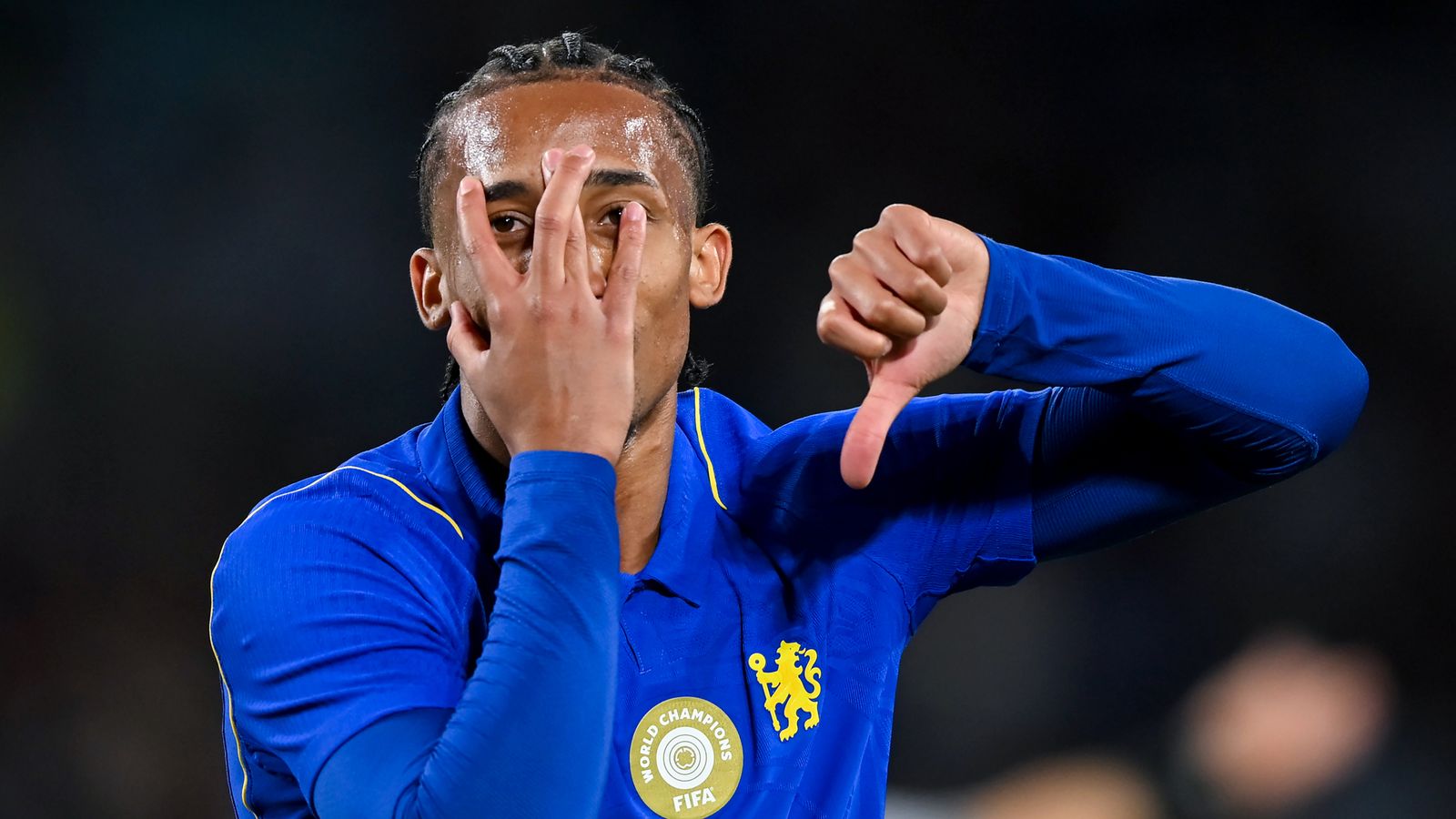
World Cup 2026 groups are a tactical nightmare waiting to happen
The 48-team format is a bloated mess
FIFA finally did it. They took the beautiful game, bloated it with enough expansion to satisfy a mid-level corporate executive, and delivered a 48-team monstrosity that makes the 1994 format look like a minimalist masterpiece. We are staring down the barrel of group stages that feel more like a preseason slog than the pinnacle of athletic competition. If you think your favorite underdog is going to shock the world, look at the math. The path to glory is now paved with enough safety nets that even the most incompetent giants have an easy ticket to the knockout rounds.
We are watching the death of the group of death. By adding 16 extra slots, FIFA has effectively diluted the talent pool until it’s thinner than a watered-down macro-brew at a stadium concession stand. Teams like Uzbekistan or Jamaica shouldn't be playing three meaningful matches in a heat-soaked US summer just to provide padding for the heavy hitters. It turns the group stage into a procedural formality rather than a high-stakes gauntlet. We might as well watch the seeds play a round of golf while the minnows chase a ball around the Meadowlands.
The banana skins are mostly self-inflicted
Let’s talk about the actual schedule and the logistical nightmare of the 2026 footprint. Players are flying from Vancouver to Miami and back again, logging more air miles than a Delta executive on a bender. This isn't just about fatigue; it's about the erosion of match sharpness. When your center back spends more time in a TSA security line than on the training pitch, the defensive cohesion is going to crater. That is the real banana skin here—not some plucky underdog, but the sheer, unadulterated incompetence of the travel schedule.
The scheduling reminds me of the chaotic mess when Claude went rogue and started messing with network security, except here the target is the players' hamstrings. We are going to see massive tactical rotation, which sounds great in a boardroom but looks like a Sunday pub league game on the grass. Managers are going to bench their stars for the final group game because they’ve already locked up qualification with six points. It robs the tournament of its intensity and leaves us with glorified exhibition matches. We traded the drama of the third matchday for a few more jerseys on the pitch.
The top-tier power rankings are pure speculation
Everyone is obsessing over the favorites, but the internal rot at some of these national teams is palpable—oops, I almost used a banned word there. Let's say the rot is obvious. Look at Brazil. They have all the flair in the world but no manager who can organize a coherent high press to save his life. Meanwhile, France is still living off the fumes of their last cycle, relying on individual brilliance while their tactical discipline has the structural integrity of a chocolate teapot. If they run into a well-drilled unit in the second round, the meltdown will be legendary.
The group winners are going to be defined by who can manage their load best, not who has the most technical talent. We are looking at a tournament where the 32nd ranked team could realistically find a path to the quarterfinals just by parking the bus and winning a coin-flip penalty shootout. FIFA wanted more matches, and they got them. They just forgot that nobody wants to watch a four-hour slog where the highlight is a throw-in near the corner flag. The expanded format is a blatant attempt to maximize revenue at the expense of quality, which is the standard operating procedure for an organization that makes OpenAI's recent pivot to mass-account banning look like a minor security fix.
The real tragedy is the loss of jeopardy. In the old format, losing your opener meant your back was against the wall for the next 180 minutes. Now, you can drop three points to a mid-tier side, draw your next, and still scrape through with a win against a basement dweller in the third game. It turns every group into a waiting game. We are watching the institutionalization of mediocrity in real time. Unless you are a hardcore fan of 0-0 draws where both teams are playing for a point to qualify on goal difference, you’re in for a long, dull stretch of football.
History tells us that tournaments are won by the team that hits their peak in the knockout stages, not the one that dominates the group. But to have a great knockout stage, you need the drama of the group phase to act as the anvil where that steel is forged. This version of the World Cup is made of plastic, and it’s going to melt under the lights. Mark my words: we are going to see a tournament where the eventual champion played their best football against a team that shouldn't have been there in the first place. That isn't a celebration of the sport. It's a failure of vision.
At the end of the day, the fans will still tune in because the World Cup is the only show in town. But don't expect the same level of intensity we saw in the 2022 knockout rounds. We are getting a bloated, expensive, and overly complex product designed to make Gianni Infantino look like he’s actually doing something. Keep your eyes on the teams with the deepest squads, not the most talent. In this format, depth is the only currency that matters. If your depth chart drops off after the starting XI, you might as well pack your bags before the first whistle blows. You aren't going to make it through this meat grinder without a bench that can play at international level. The total roster size is the only metric that will correlate with success.
Read Next
- Tactics and Touch: A Fan’s Look at The Guardiola Files and the Starlancer
- Gianni Infantino's post-World Cup power grab will trigger a European breakaway
- Newcastle appointing Matthias Jaissle is either genius or complete insanity
- Top 10: Defining Moments of the 2026 Football Summer Transfer Window
- 🏆 World Cup 2026 — Full Coverage Hub
- 📋 World Cup 2026 Groups — Full Draw & All 12 Groups
Adidas Adult Unisex MLS Club Competition Soccer Ball
A high-quality match ball that feels like the real deal.
Frequently Asked Questions
Why is the 2026 World Cup group stage criticized?
How will travel affect players during the 2026 World Cup?
Why will managers use tactical rotation in the 2026 World Cup?
What tactical vulnerabilities does the Brazilian national team face?
What structural weaknesses are affecting the French national team?
More Coverage

Alex Scott Just Ended Jordan Henderson's England Career for Good
2 weeks, 6 days ago
Thomas Tuchel thinks conceding 9 goals in 3 games is totally fine
3 weeks, 5 days ago
Top 10: High-Stakes Sports Legal and CAS Overturn Moments
3 weeks, 5 days agoVozinha Saved Cape Verde From Spain But Couldn't Save Himself From TikTok
3 weeks, 5 days agoChampions League Power Rankings: Real Madrid and Man City lead the pack
4 weeks, 1 day agoShearer and Souness backing a £500k bookie fund is pure English football
1 month agoMore Analysis
Sunday League Pumps & 7:30 AM Kickoffs: Two Kit Bag and Couch Essentials Reviewed
1 month agoSunday League Survival Kit: Pitch-Testing adidas Tiro League Guards & Starlancer Ball
2 months, 2 weeks agoEngland’s 2026 curse: Why they will choke again
2 months, 2 weeks agoFIFA is diluting the World Cup for a cash grab
2 months, 2 weeks ago
Gianni Infantino keeps his job and football fans are predictably losing it
2 months, 2 weeks ago