
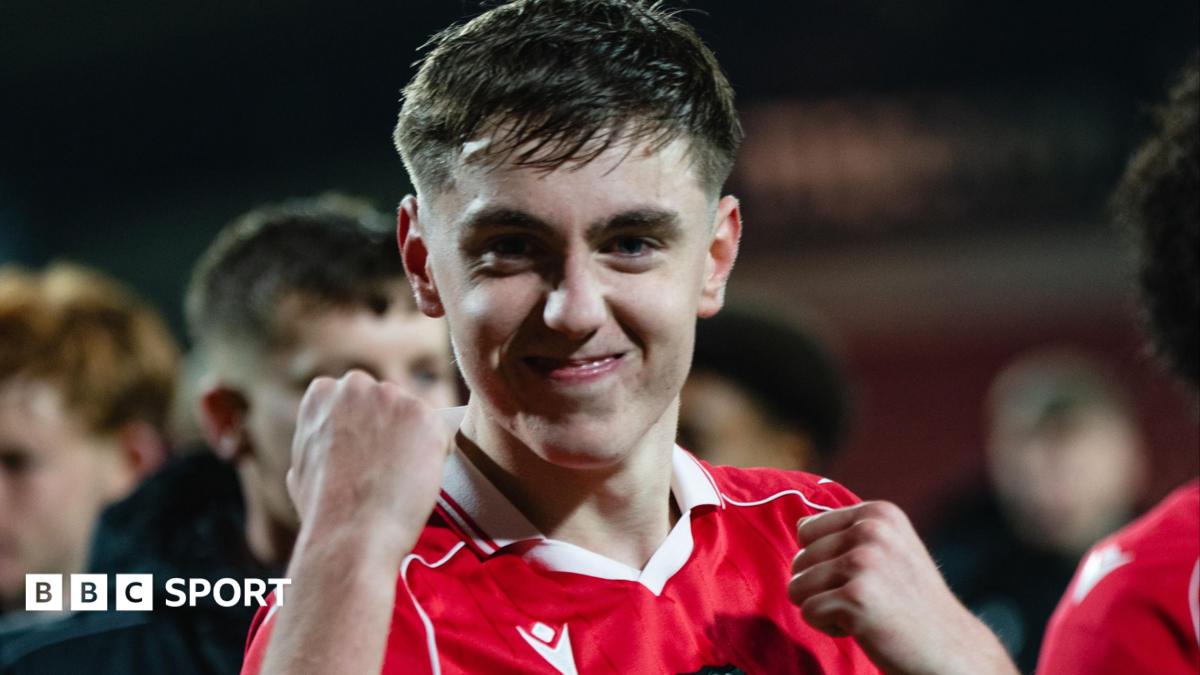
Wrexham's academy ambition meets reality
Wrexham's push to balance Hollywood spending with home-grown talent has taken a sharp hit. Club medical staff confirmed a critical injury blow to one of the rising figures in the youth setup following a training ground incident this week. The player will miss the upcoming pre-season fixtures as the medical team evaluates the long-term timeline for recovery.
While Wrexham's recent rise has been fueled by big-money arrivals and high-profile recruitment, manager Phil Parkinson and the executive team have repeatedly pointed toward youth development as the foundation for sustainable success. This injury puts a sudden freeze on those plans just as the youngster was pushing for first-team integration during summer friendlies.
The medical diagnosis and rehabilitation timeline
Initial diagnostics performed by the medical team indicate a severe soft-tissue injury sustained in a non-contact drill. Club doctors have outlined an initial recovery window of 8 to 12 weeks, ruling the player out for the entirety of the early domestic schedule. Crucial rehabilitation steps will take place at Wrexham's local training facilities over the next two months.
Medical experts note that rushing a recovery of this nature often leads to recurring issues down the line. Given the player's age and role in the long-term project, the medical staff is opting for a conservative approach rather than risking further damage before the autumn fixtures arrive.
Strategic implications for Parkinson's squad depth
This setback exposes the immediate thinness of Wrexham's internal development pipeline. While the owners have funded high-profile transfer windows, relying purely on external signings creates financial friction under league regulations. Developing academy players remains a necessity, not a vanity project.
Parkinson must now adjust his pre-season rotations. Instead of giving valuable minutes to academy prospects during upcoming domestic and international friendlies, the coaching staff will likely have to lean more heavily on senior veterans. That extra workload creates secondary fatigue risks for the first-team squad before competitive league play even begins.
Historical context and broader impact
Lower-league sides pushing rapidly through the English football pyramid frequently encounter this structural hurdle. Rapid promotion often leaves academy infrastructure lagging behind the main squad's competitive level. Wrexham's desire to produce its own talent is genuine, but bridging the gap between youth football and senior physical demands remains a brutal transition.
For now, Wrexham's front office will need to decide whether to dip back into the transfer market for emergency squad depth or trust their remaining internal options. The immediate path to the first team for academy standouts just got significantly harder.


