Systems-Ball Drains the Life Out of Stamford Bridge
Control without penetration is just expensive standing around. On a miserable Saturday in west London, Xabi Alonso turned a Premier League derby into an exercise in tactical inertia. Tottenham did not have to produce anything miraculous to take three points from Stamford Bridge.
Spurs simply stayed patient and let Chelsea outsmart themselves. As Barney Ronay noted in The Guardian, the first half had the energy of two men descaling a dishwasher. It was slow, robotic, and entirely devoid of derby fury.
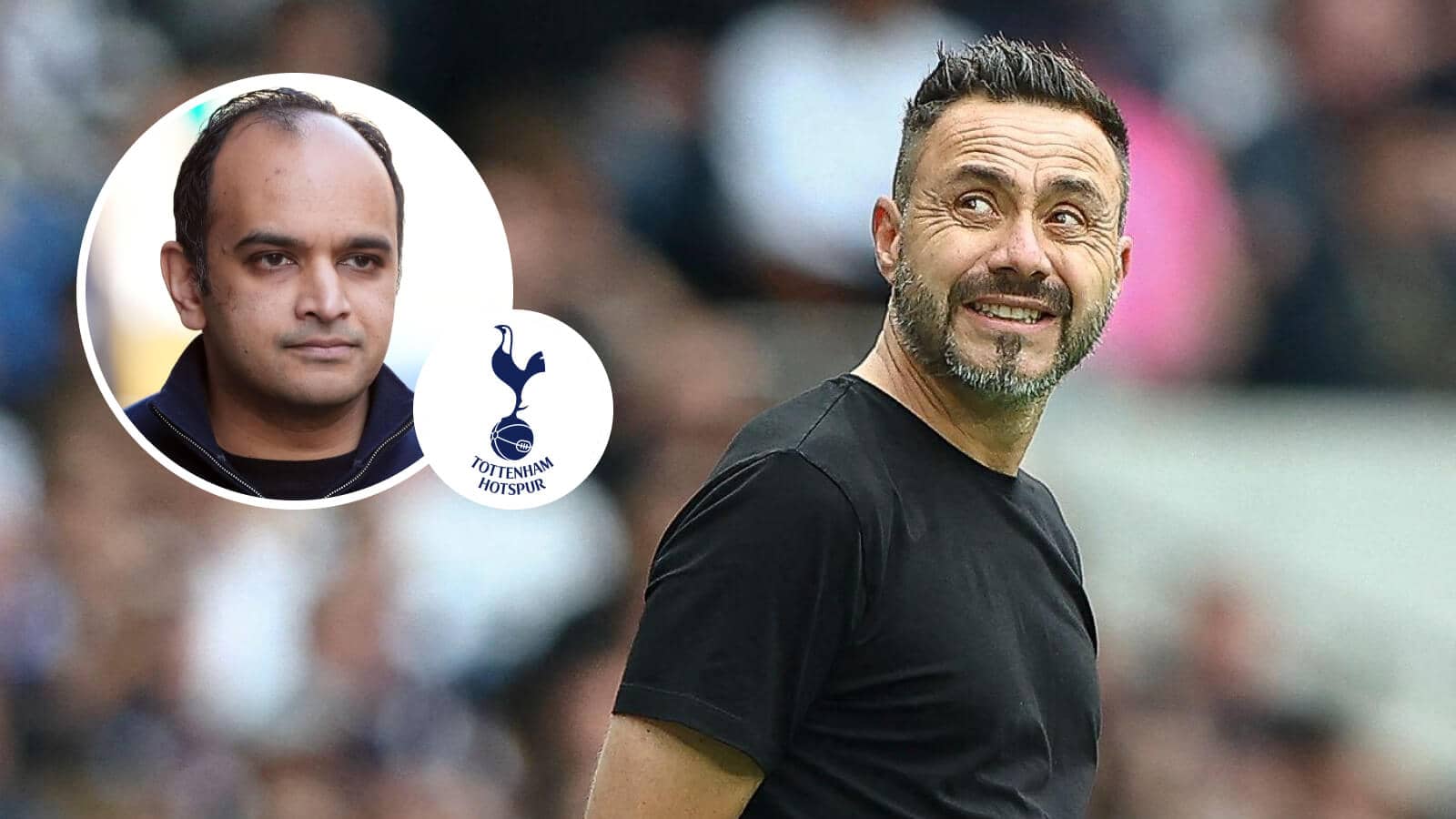
Chelsea spent the opening forty minutes rolling studs over the leather, waiting for a Tottenham press that never arrived. Alonso wanted to bait Roberto De Zerbi’s defensive block out of shape. De Zerbi’s players refused to take the bait, holding their shape and watching Chelsea pass harmlessly sideways.
The numbers told a grim story for the home support. Chelsea registered just 27 per cent possession in the opening forty minutes on their own turf. That is a damning figure for a club that spends hundreds of millions on talent.
The rain poured down relentlessly. Alonso stood on the sideline in a sodden golf jacket, watching his players circle each other like strangers. Chelsea have become a high-speed talent exchange where new faces arrive each month while familiar ones vanish.
That constant turnover showed in every sluggish attacking sequence. Without the injured João Pedro leading the line, Chelsea had no target to hold up play. Instead of picking a proven finisher, Alonso made a baffling call.
Danny Welbeck stayed glued to the bench for all ninety minutes. Alonso instead asked Cole Palmer and Morgan Rogers to operate as fluid attacking ghosts. Neither man played as a recognised striker, leaving Chelsea with two creators wandering into the same central zones.
Palmer looked completely disconnected from the contest. He touched the ball just eight times in the first forty minutes. When your most dangerous player is reduced to a spectator, the system is broken.
Rogers drifted across the midfield without finding passing angles to exploit. Freedom in attack requires runners who can stretch the defensive line. Without an orthodox striker pinning Tottenham's centre-backs, Chelsea simply circulated possession in front of a relaxed Spurs defence.
Austin MacPhee and the Vacated Box Disaster
Matches between top managers often hinge on tiny tactical details. Sometimes, those details cross the line into total absurdity. As The Guardian noted in its match analysis, Chelsea decided to overcomplicate the basics of corner defending.
Chelsea paid an undisclosed fee to trigger Austin MacPhee's release clause from Aston Villa during the summer. Paying compensation for a set-piece coach raised eyebrows across the league. His touchline routine on Saturday showed why supporters remain skeptical of coaching overreach.
MacPhee spent the afternoon waving his arms and shouting at his defenders to evacuate their own penalty area. The idea was to create instant transition lanes by packing players upfield on opposing corners. It looked bizarre from the opening minutes.
On 52 minutes, MacPhee unveiled the first iteration of the routine. Ten Chelsea players pushed high up the pitch, leaving only a tiny clump of blue shirts defending the cross. The ball landed in empty turf, Chelsea escaped, and the coaching staff seemed satisfied with their conceptual trick.
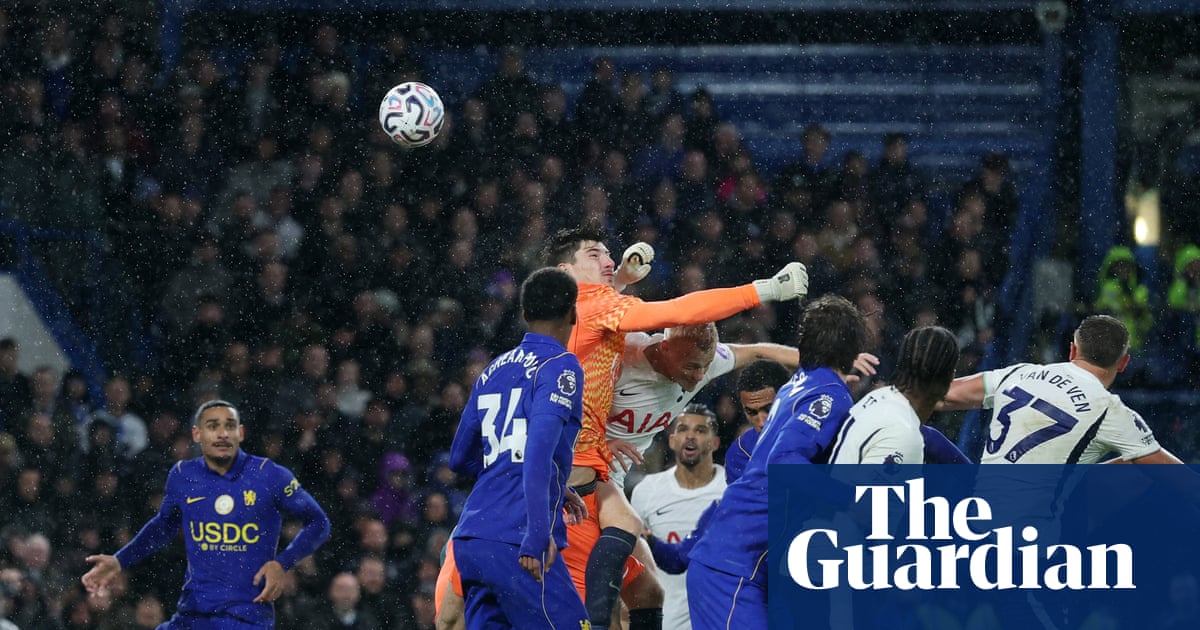
Then came the 76th minute. Tottenham won another corner on the left flank, and MacPhee signaled the retreat once more. Chelsea obediently cleared out of the six-yard box, leaving acres of vacant grass in front of goal.
The delivery swung into the deserted space with venom. Goalkeeper Mike Penders stepped forward to claim a soaking wet ball in gusting wind. With zero defensive cover and no teammates shielding his path, Penders misjudged the flight completely and punched the ball straight into his own net.
It was an awful personal error from the young keeper. Yet blaming Penders alone ignores the madness of the defensive setup. Penders was signed partly because of his footwork at Strasbourg, where he sometimes stepped out like an extra central defender.
He is not a veteran shot-stopper accustomed to battling physical forwards in British weather without help. Stripping away all box protection in swirling rain was tactical arrogance. MacPhee reacted to the own goal by pacing the technical area and stroking his chin, treating a derby disaster like an anomalous data point.
Discipline Collapses as Spurs Run Riot
Going behind broke whatever mental resolve Chelsea had left. The frustration had been simmering since the 69th minute, when Palmer picked up a silly booking during a touchline row between both coaching staffs. That melee of puffer jackets was the only moment all afternoon that energized the home crowd.
Stamford Bridge wanted fight, but they got indiscipline instead. Just moments after Penders gave Spurs the lead, Palmer lunged in rashly on Conor Gallagher. The referee had no choice but to show him a second yellow card.
Palmer walked off the pitch in silence. Losing their best playmaker to a reckless challenge on an ex-Chelsea academy graduate summed up the afternoon. Chelsea were a goal down, a man down, and entirely devoid of ideas.
Tottenham showed no mercy against ten men. In the 87th minute, Mathys Tel delivered the decisive blow. Tel collected the ball on the break, drove forward with intent, and snapped a low finish inside the near post.
The goal sent De Zerbi into a frenzy. The Italian coach launched into an eccentric dash down the touchline, bent double at the hips while laughing wildly toward the field. It was manic, unhinged, and completely genuine.
De Zerbi’s touchline theater had been on display all afternoon. On the hour mark, he had let out a shrill scream when a Tottenham player missed a pressing cue. Yet when Omar Marmoush gave the ball straight to a Chelsea defender minutes later, De Zerbi did not make a sound.
The distinction reveals how De Zerbi views the sport. He can tolerate technical mistakes on the ball, but he demands total compliance with his spatial patterns. His players understand the rules, and they played with an aggression Chelsea could not match.
Tactical Fallout and the Road Ahead
This 2-0 defeat leaves Chelsea with uncomfortable questions to answer. Alonso arrived with a reputation as one of Europe's brightest minds. Right now, his Chelsea team looks stiff, predictable, and remarkably easy to defend against.
Benching Welbeck was a self-inflicted wound. Without João Pedro, Chelsea needed an experienced striker who could occupy centre-backs and win physical duels. Leaving their only fit focal point on the sideline reduced their possession to harmless passing circuits.
With Palmer now facing a suspension, Chelsea have a massive void in creative output. Palmer has carried the attacking burden for over a season, masking tactical flaws with individual brilliance. Alonso must now find a way to generate shots without his talismanic creator on the pitch.
MacPhee’s corner tactics also need a swift audit. Trying to out-think traditional set-piece defending by emptying the penalty area cost Chelsea a derby match. Opposition analysts across the Premier League will already be plotting ways to exploit that vacant space.
For Tottenham, this performance was an emphatic validation of De Zerbi’s methods. As highlighted in Barney Ronay's post-match report, Spurs controlled the tempo and dominated the ball with authority. It was easily their most complete showing of the campaign.
The midfield dynamic was particularly impressive. Mateus Fernandes ran the game from deep positions, providing composure under pressure and threading neat passes through Chelsea's lines. Alongside Gallagher’s tireless running, Fernandes gave Tottenham absolute authority in the middle third.
However, the victory came with a substantial worry for the away side. James Maddison had looked sharp early on, carrying the ball forward with direct ambition while others played safe. But in the 49th minute, Maddison sat down in the centre circle and had to be substituted.
A prolonged absence for Maddison would test Tottenham's tactical flexibility. Without his ability to unlock compact defensive blocks, De Zerbi risks facing similar stagnation when opponents sit deep. Spurs will need Tel and Marmoush to carry more creative responsibility in the weeks ahead.
Still, De Zerbi leaves Stamford Bridge with bragging rights and momentum. Tottenham looked like a united collective executing a coherent game plan. Chelsea looked like an expensive collection of names struggling to decipher an instruction manual in the rain.
Read Next
- Arsenal will grind past Everton, but Saka's breakdown was inevitable
- Arsenal want out of the Viktor Gyokeres business already
- Why Man City's perfect start faces its first real test at Villa Park
- Eberechi Eze is learning the hard way how Mikel Arteta operates
- ⚽ Bundesliga 2025-26 — Title Race Hub
- 🏆 Europa League Final 2026 — Full Coverage Hub