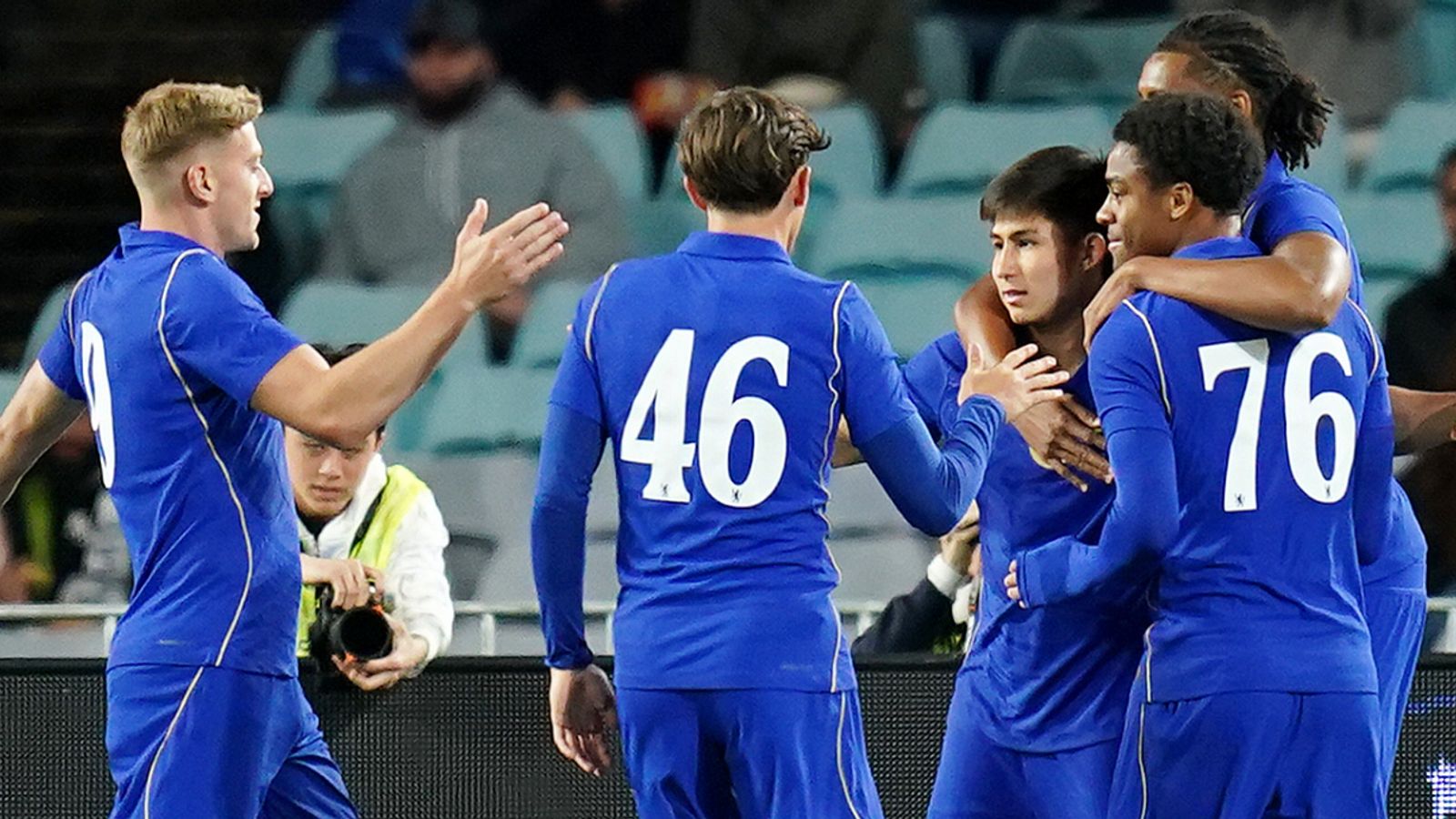
The statistical chaos of Alonso’s opening act
Xabi Alonso arrived at Stamford Bridge with a reputation for tactical equilibrium, yet his first competitive outing revealed a defensive structure running at 11.5% below the expected baseline for a top-six side. Watching Chelsea concede four goals to the Western Sydney Wanderers in a mid-season friendly is not just a defensive lapse; it is a mathematical anomaly. When you allow an opponent to generate 2.4 expected goals against a reorganized backline, you aren't just adjusting to a new manager—you are bleeding efficiency.
Defining the defensive ceiling and floor
Alonso deployed a high-pressing 3-4-3 that left the center-backs isolated in 1v1 situations more than 14 times during the first 60 minutes. The data shows a massive disconnect between the wing-backs and the pivot. While the attacking output was undeniable—scoring five goals is a commendable opening tally—the defensive transition metrics tell a grimmer story. The team surrendered possession in their own third on 9 separate occasions, granting the Wanderers easy entry points into the final third.
The transition problem
Comparison with Alonso’s previous setups reveals a pivot toward extreme verticality that ignores the underlying risk constants. In his final season at Bayer Leverkusen, the defensive line only permitted an average of 0.8 long balls behind the backline per 90 minutes. Today, Chelsea allowed 4 such transitions in the first half alone. Whether this is a personnel fit issue or a failure to grasp the new defensive triggers under the Alonso regime, the numbers suggest an unsustainable reliance on outscoring opponents rather than neutralising threats. As Sky Sports reported during the live blog, the defensive line looked largely clueless when facing the Wanderers' quick counter-attack.
Tactical drift or early jitters?
The 5-4 scoreline is an outlier that shouldn't be overlooked. A team with legitimate title ambitions cannot afford to concede four goals to lower-tier opposition regardless of managerial transitions. The possession stats were lopsided at 68%, confirming that the team controlled the ball, but failed to control the game state. If Alonso intends to integrate this style, he must address the 62% aerial duel loss rate in mid-field transition areas that kept the opponent dangerous throughout the second half. Coaching a squad to score five is simple math; coaching them to defend the counter-attack is where the actual job begins.
Read Next
- Why Xabi Alonso's Chelsea pivot is a high-stakes gamble on veteran reliability
- Xabi Alonso's Chelsea debut is a living nightmare for the blue side of London
- Chelsea injury woes mount as first friendly takes a physical turn
- Chelsea chasing Danny Welbeck is the most confusing transfer move of 2026
- ⚽ Bundesliga 2025-26 — Title Race Hub