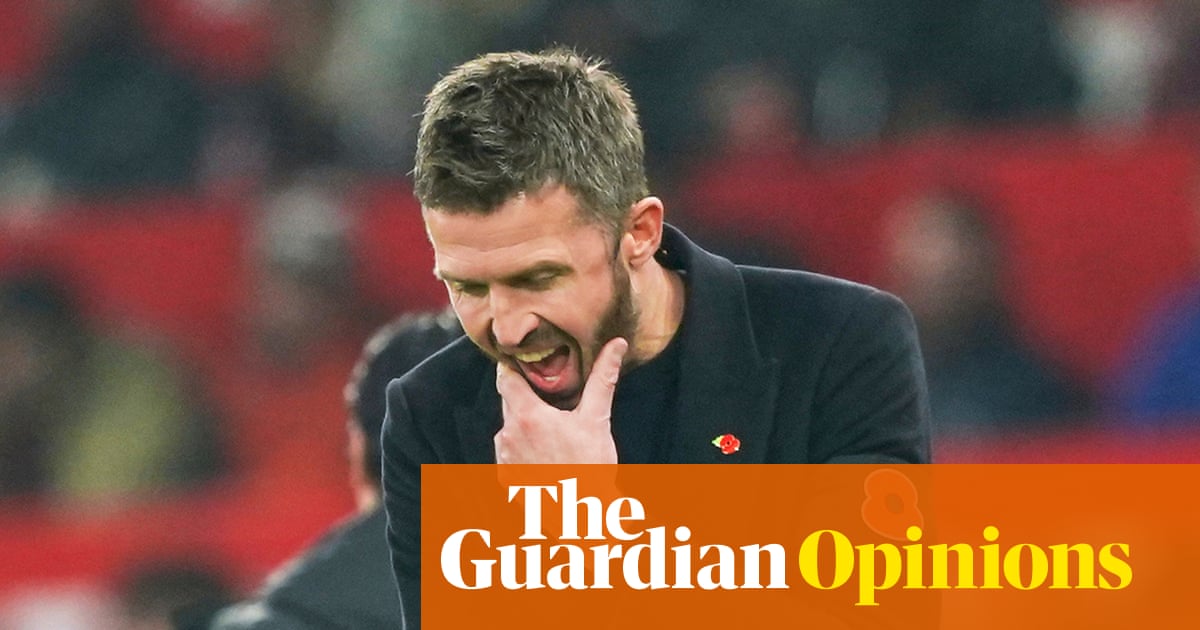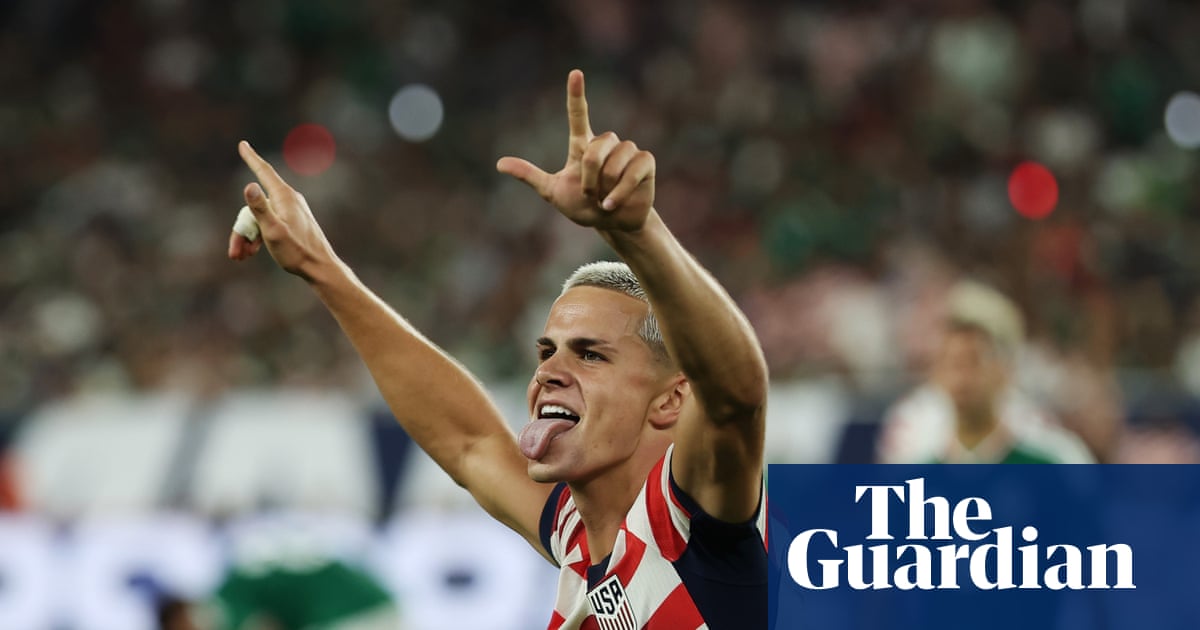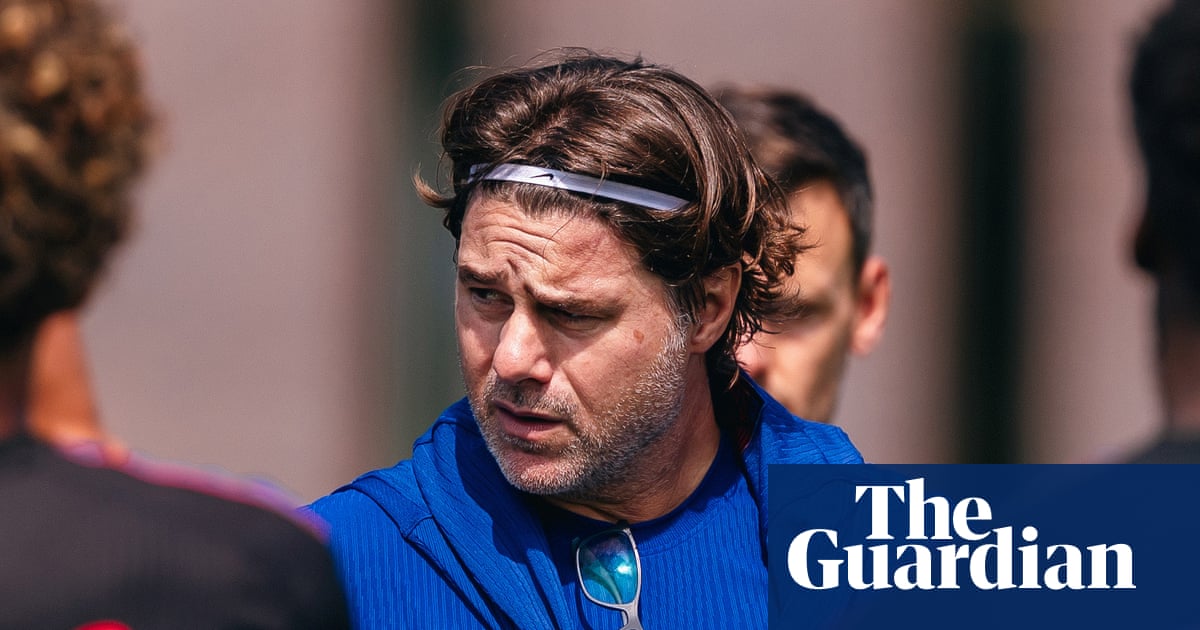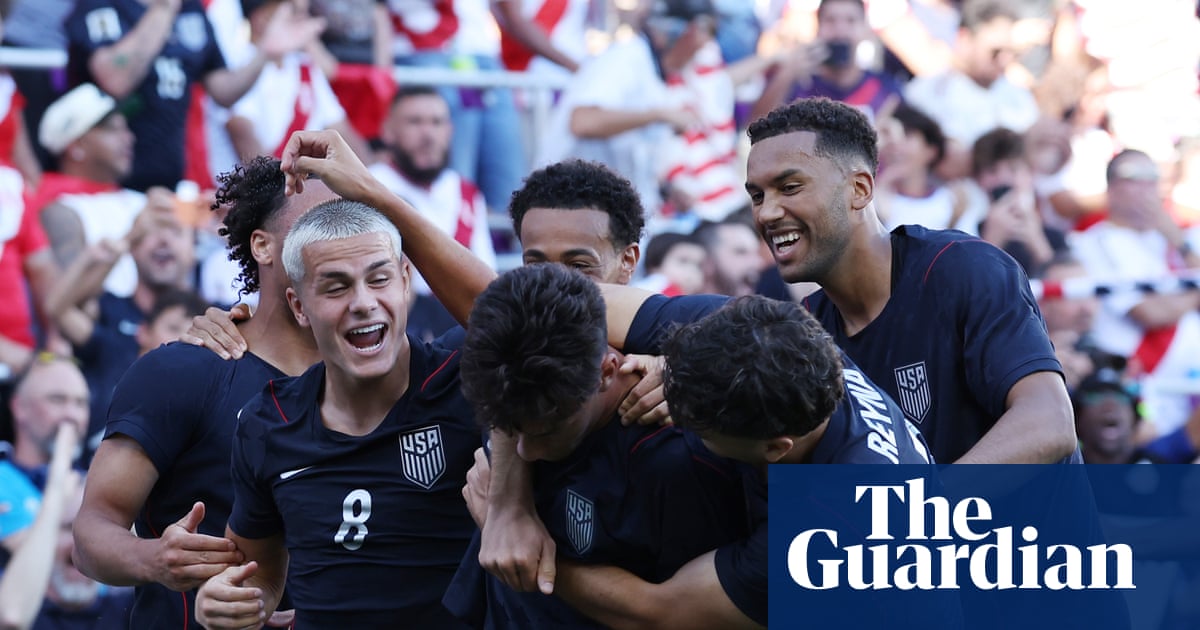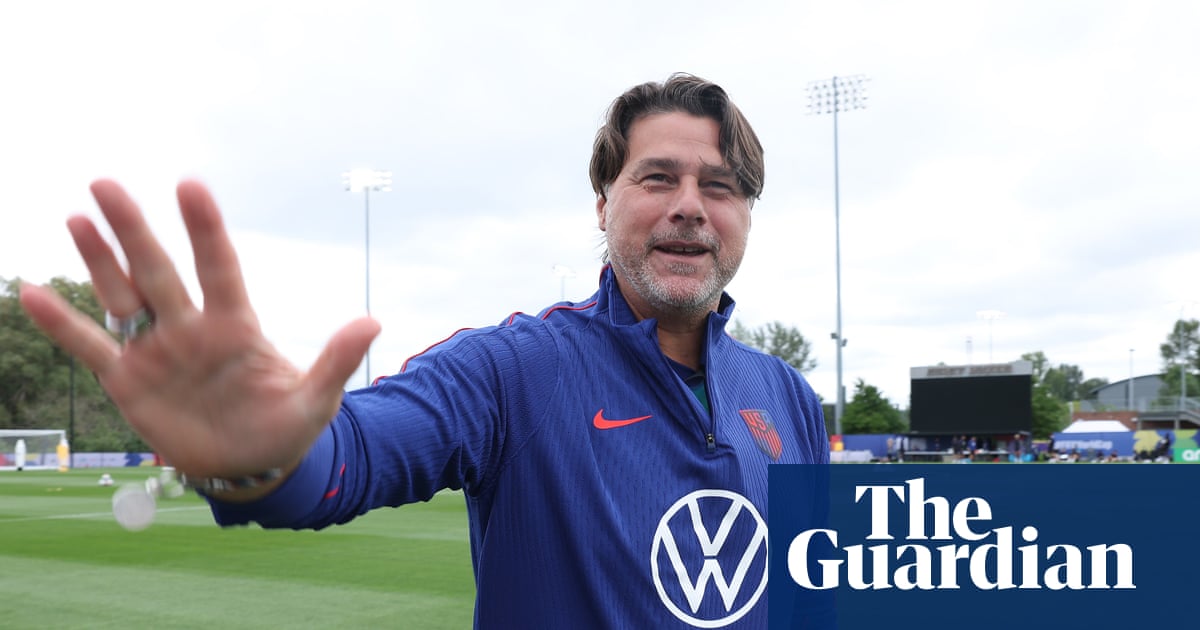
As Mauricio Pochettino walked away from the press podium at Allianz Field in Saint Paul, he could not resist dropping a trail of breadcrumbs. He cut his parting sentence short before humming a lighthearted sign-off to the reporters in the room. That brief musical exit was not accidental banter; it was a deliberate signal.
He offered a fractured goodbye that gave away his mindset:
“See you next …” Pochettino began before cutting his sentence short. Then, a bit of a sing-song: “See you next, see you next.”
Anyone who watches elite coaches knows that body language speaks louder than tactical board briefings. Pochettino was already mentally scanning the European job board.
Now Old Trafford has come calling. As The Guardian reported, Manchester United have set their sights firmly on the Argentine manager as their next project leader. The timing is ruthlessly calculated.
Top clubs do not wait for the summer anymore when their season begins to unravel. They strike at the start of a November international window, securing two clear weeks without competitive fixtures to embed tactical concepts. That dynamic leaves US Soccer trapped in a familiar, vulnerable holding pattern.
US Soccer announced Pochettino's contract renewal in August, hoping his presence would anchor the men's national team program toward the future. Yet the reality of modern football governance always dictated that top European clubs would test that bond. Elite club managers simply do not stay sequestered on the international circuit when Premier League powerhouses show desperation.
The Tactical Blueprint United Keep Chasing
For over a decade, Manchester United have operated without a coherent footballing philosophy. They have burned through managerial archetypes like disposable consumer goods, expecting individual charisma to solve systemic organizational flaws. Every post-Ferguson tenure followed the exact same trajectory of optimism, tactical confusion, and eventual collapse.
The variety of tactical styles deployed at Old Trafford highlights an astonishing lack of institutional direction. Club executives have repeatedly oscillated between polar opposite tactical ideologies:
- Louis van Gaal and José Mourinho brought heavyweight European pedigrees with rigid, incompatible tactical frameworks.
- Ruben Amorim and Michael Carrick were asked to implement modern pressing systems without players suited for high-tempo transition defense.
- Club custodians and domestic managers punched above their weight class temporarily before running out of tactical ideas against elite opposition.
Pochettino represents the rare hybrid profile United's hierarchy has spent twelve years trying to construct. His defining work at Tottenham proved that he can build an aggressive, possession-dominant pressing machine that scales across multiple seasons. His sides suffocated opponents with coordinated 4-2-3-1 pressing traps, pinning full-backs deep and forcing high-turnover sequences in the attacking third.
Equally important for United, Pochettino has accumulated scar tissue in the sport's most toxic dressing rooms. His tenure at Paris Saint-Germain did not deliver an elusive Champions League crown, but it forced him to manage the monumental egos of Neymar, Kylian Mbappé, and Lionel Messi. His subsequent season at Chelsea tested his sanity against chaotic ownership meddling and uncontrollable squad turnover.
United need both traits desperately. They need a tactician capable of teaching structured defensive mechanics to players who have forgotten how to track back. At the same time, they need an authoritative diplomat who will not crumble when multimillionaire egos push back against double training sessions.
Chicago's Governance Void and the Buyout Reality
While United prepare their pitch, US Soccer finds itself exposed by its own institutional lethargy. The federation has been operating without a sporting director since Matt Crocker stepped down in April. Leaving the most important technical post in American soccer vacant for seven months is inexcusable governance.
Sporting decisions in Chicago are currently made by committee, a sluggish bureaucratic structure unsuited for the rapid pace of elite European poaching. If Pochettino hands in his resignation tomorrow, the federation has no technical architect ready to steer the replacement process. That administrative paralysis threatens to undo the goodwill generated by this summer's World Cup run.
The only reason the federation can smile through this mess is a reported $10m release clause embedded in Pochettino's August extension. That contract was made possible by billionaire super-donor Ken Griffin, meaning federation grassroots programs never had to subsidize Pochettino's lavish salary. If United want their man, they must pay that full £7.5m fee directly to US Soccer.
Cash reserves do not drill defensive spacing or develop young full-backs. However, that substantial buyout hands the federation a massive financial parachute. Instead of letting Pochettino leave on a polite handshake, US Soccer created an insurance policy that pays them handsomely for their trouble.
US Soccer must resist the urge to view his departure as a catastrophic betrayal. Pochettino was never going to wear his trademark safari jackets on the sideline through the 2030 World Cup cycle. A clean break now, funded entirely by Manchester United's treasury, is far better than a bitter divorce twelve months down the road.
Why the November International Window Accelerates a Split
The calendar makes this saga completely unavoidable. In September, the English press reheated old narratives about Tottenham wanting Pochettino back, just months after AC Milan made discreet pre-tournament inquiries. If Real Madrid decide their reunion with José Mourinho has run its course, Pochettino would instantly top their contingency list.
Pochettino is an active club manager trapped in the slow-motion cadence of international football. He is an obsessive tactician who requires daily contact with his players on the grass to synchronize their pressing triggers and rest defense. National team coaching affords you perhaps four tactical training sessions before you must send players back onto commercial flights.
Watching his side operate at Allianz Field in Saint Paul demonstrated the fundamental limits of the international setup. His tactical concepts were visible in flashes, but the fluid counter-pressing that defined his best club sides was completely absent. You cannot demand relentless high-tempo counter-pressing when your squad gathers for five days every two months.
At Old Trafford, the tactical demands will be severe from day one. United have suffered from enormous structural gaps between their midfield pivot and their backline all season. Opposition sides consistently exploit the space in front of United's center-backs because nobody tracks secondary runners from deep.
Pochettino's primary task will be restoring defensive compactness before he even thinks about attacking combinations. He will demand that his wide forwards drop into a disciplined 4-4-2 mid-block whenever possession is lost. Players who jog back casually will find themselves banished to the reserves, just as Emmanuel Adebayor was at White Hart Lane years ago.
Yet United's board must face their own grim track record. The club has repeatedly failed to support incoming managers with intelligent, complementary recruitment profiles. If the executive hierarchy expects Pochettino to wave a magic wand without clearing out bloated wages and tactically incompatible wingers, this tenure will unravel just like the others.
The Tactical Verdict and Prediction
The American soccer community will understandably feel disappointed to see their high-profile coach look for the exit so soon after signing a renewal. Fans fell in love with the team's attacking swagger during their entertaining tournament run this summer. But romantic loyalty does not exist when a global institution like Manchester United comes calling with an open checkbook.
Keeping an uncommitted manager who drops melodic hints about his departure into press microphones is an untenable tactical risk. Elite players can smell indifference immediately, and training intensity drops the moment a squad suspects the manager is looking for a flight out of town. US Soccer cannot afford to enter their next cycle carrying a coach who is constantly waiting for European club offers.
The tactical solution for US Soccer is clear: let him walk. Bank the reported $10m release clause, appoint a steady interim figure for the remaining November matches, and immediately hire a qualified sporting director to replace Matt Crocker. The American program needs an architect focused on tournament strategy, set-piece design, and rapid roster cohesion rather than a daily tactical drillmaster.
Here is the confident prediction: Manchester United will formally trigger Pochettino's release clause within the next seventy-two hours. Pochettino will leave the US national team setup to take over at Old Trafford, giving him the full two-week international break to organize United's leaky defensive shape. US Soccer will pocket the buyout money, admit their four-year gamble was premature, and finally start searching for a manager who actually wants to be in Chicago.
Read Next
- Man United fans are losing their minds over Michael Carrick
- Top 10: Top Moments
- Top 10: Top Moments of the Sir Jim Ratcliffe Era at Manchester United
- Man United are sitting 18th and Jim Ratcliffe still thinks he knows best
- 🇺🇸 USMNT World Cup 2026 — Team USA Coverage Hub
- ⚽ MLS 2026 Season Hub — World Cup Year Guide
- 🏆 Europa League Final 2026 — Full Coverage Hub