The diagnosis: ACL confirms worst fears
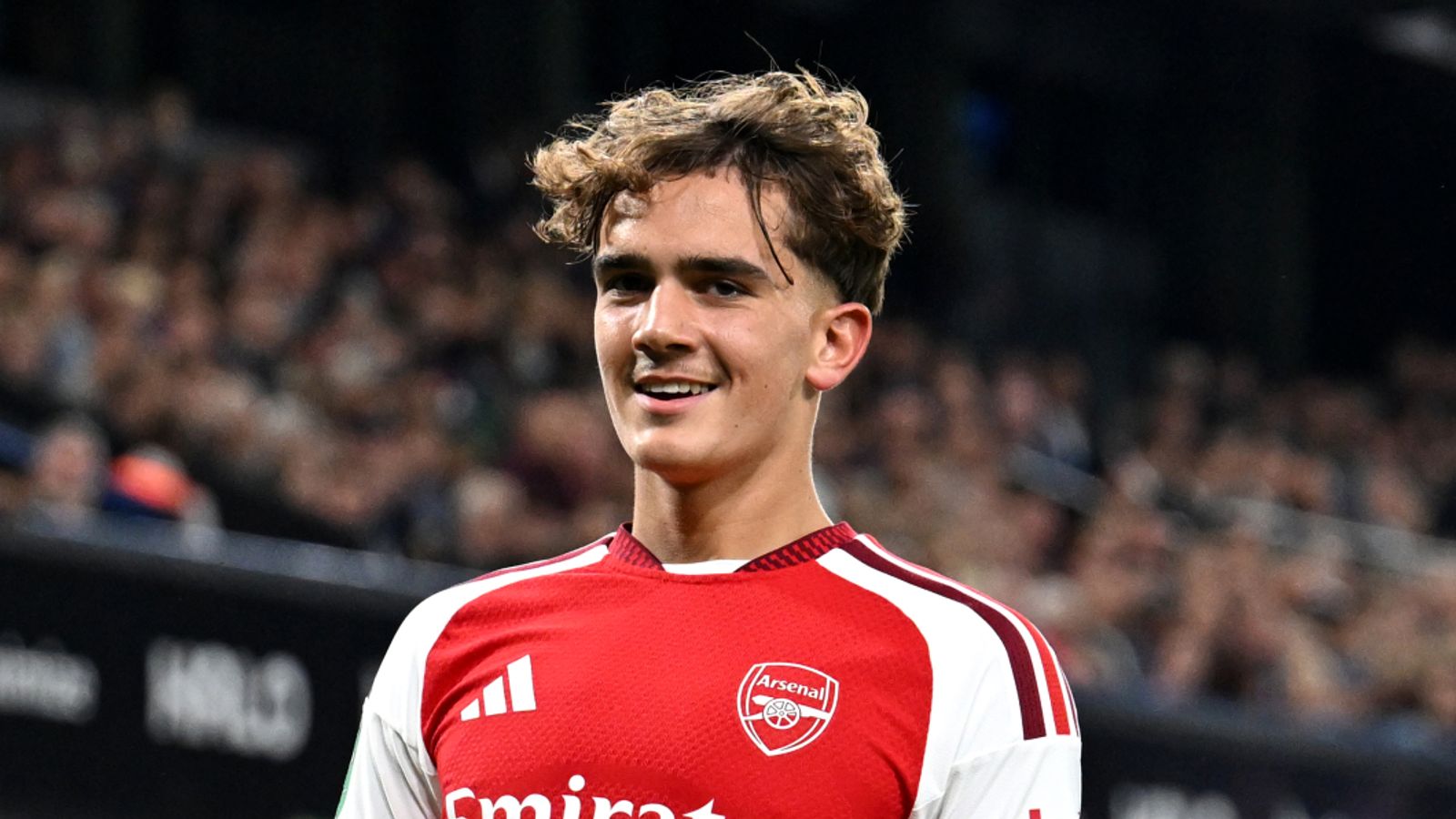
Arsenal confirmed early Monday morning that their primary defensive anchor underwent surgery to repair a ruptured anterior cruciate ligament. The injury occurred during the 74th minute of a routine preseason drill in Los Angeles. Medical staff confirmed the contact was minimal, raising immediate questions regarding current turf conditions at the training facility.
Recovery timelines for this level of ligament damage are rarely straightforward. Club officials are targeting a return to contact training in roughly 9 months, putting a potential return to the pitch around April 2027. This effectively sidelines the player for the opening seven months of the competitive calendar.
Tactical ripple effects and squad depth
Losing a foundational piece of the backline forces an immediate shift in strategy. Last season, the rotation was built on the premise of high-intensity ball progression from the central areas. Without this specific profile, the manager must now decide whether to shift a squad player out of position or dip into the final weeks of the market for an emergency defensive reinforcement.
Rival clubs are watching the situation closely. When high-value assets effectively drop out of the rotation, the market value for secondary defensive options often spikes. Internal sources suggest the scouting department is already evaluating short-term loan options from Serie A, though quality depth remains thin during the mid-summer period.
Historical context and risk management
This is not the first time a major defensive building block has fallen during July preparations. Following the trend seen in the 2024 preseason, several high-profile clubs have struggled to maintain fitness levels while switching between extreme climates and training surfaces.
Critics within the training staff have long pointed to the high volume of travel as a potential flaw in the current summer exhibition model. While broadcast strategies across various leagues are constantly being re-evaluated, the physical toll on players during the summer circuit is rarely part of the financial calculation.
The club has consistently attempted to mitigate load-related trauma, yet this instance highlights a recurring vulnerability. Medical protocol has tightened, but fatigue often overrides preventative measures when global sponsorship requirements demand consistent appearances.
Addressing the rotation gap
The secondary issue involves defensive chemistry. The back four relied heavily on specific positioning, and the absence of a starter forces a reconfiguration of the press. If the replacement is not capable of maintaining the same physical output, the midfield will inevitably be exposed to more direct counters in the final third.
Expect to see a heavy reliance on rotational talent over the first six league fixtures. Whether this is sustainable remains a concern for supporters who recall the late-season fatigue that hindered the club during the 2025 campaign.
The financial impact of this absence is substantial. With a vacancy in the top-tier rotation, management faces a choice between defensive stagnation or an aggressive move to address the gap. Any pivot will require significant capital, potentially cannibalizing the budget for later winter moves.
Ultimately, the medical staff will move cautiously. Returning too early has previously resulted in setback-laden campaigns for other players across European leagues, and the priority remains a full recovery for the 2027-28 cycle. The next month will dictate the club's defensive philosophy for the entirety of the upcoming season.
Read Next
- Arsenal face defensive scramble as Jurrien Timber exits training camp
- Mikel Arteta is selling Arsenal fans a fever dream and we all know it
- Arsenal's transfer window is turning into a high-stakes waiting game
- Crystal Palace lead race for Takehiro Tomiyasu as Arsenal prepare defender exit
- ⭐ UCL 2026 — Champions League Quarter-Finals Hub