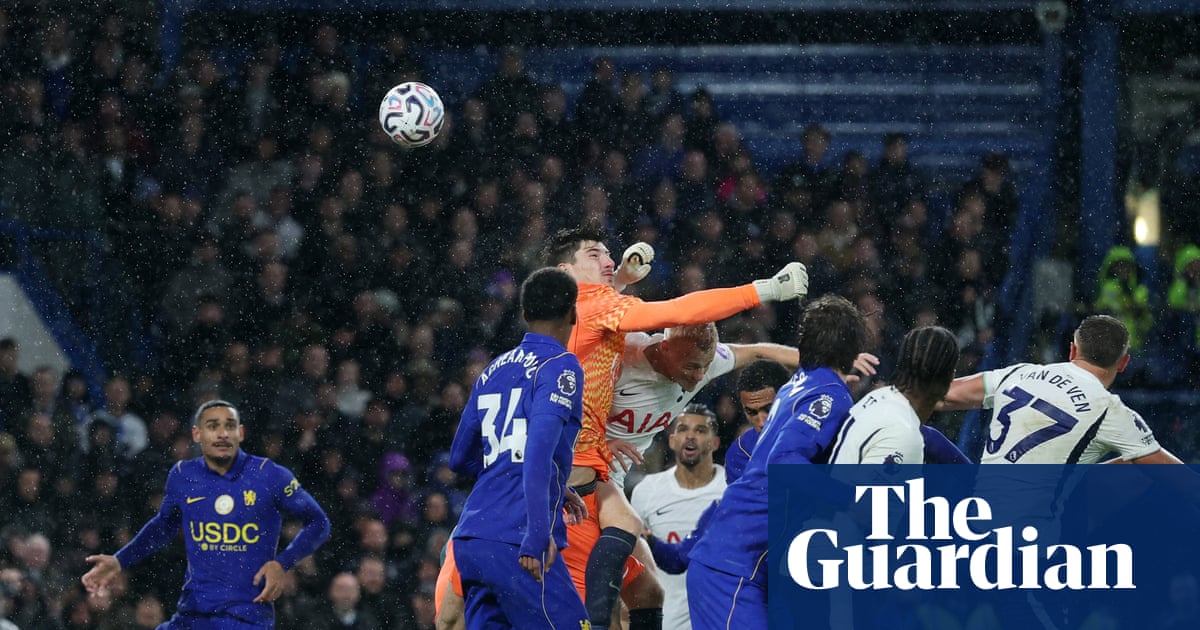
The phantom points deduction that haunted Stamford Bridge
Chelsea supporters spent the last few months bracing for a catastrophic blow. Internal documents regarding the Roman Abramovich era had the Football Association deep in investigation mode. While the club eventually avoided a points deduction, the outcome of these proceedings highlights a precarious period for the board.
The FA opted for a suspended two-transfer window ban and a financial penalty instead of stripping the team of league standing. This is not a clean slate. It is a stay of execution. The investigation into off-the-books payments confirmed that the club operated in a gray zone that defied current financial regulations.
We have to address the absurdity of the situation. The club is being penalized for the actions of a previous regime, yet the current hierarchy is the one tasked with balancing the books under modern constraints. If you look at the FA's explanation of the charges, it is clear that they found concrete evidence of systemic failure. Avoiding a deduction is a win on paper, but it leaves the current recruitment strategy in a state of suspended animation.
The shadow of the transfer market
A suspended transfer ban acts like a Sword of Damocles hanging over the sporting director's office. Every scouting report written today must factor in the possibility that future windows could be slammed shut. This puts immense pressure on the current squad to deliver immediate returns on massive investments.
The club spent heavily to overhaul the roster, but consistency remains the biggest missing variable. When you layer administrative instability on top of a young, unproven dressing room, you get erratic performances. The coaching staff does not have the luxury of a long-term development arc when the looming threat of a ban forces the club to win now or face a stagnant future.
There is also the matter of market perception. Agents are not blind. When a club is under investigation for financial irregularities, it makes negotiation cycles longer and more expensive. Chelsea’s recent transfer windows have been characterized by rapid, high-cost acquisitions that often bypass traditional scouting vetting processes. This reliance on volume suggests a lack of trust in their own long-term health.
The tactical reality check
Managers at Stamford Bridge are effectively spinning plates in a wind tunnel. You cannot build a coherent tactical identity when the roster composition is dictated by the need to balance PSR compliance and the threat of disciplinary action. Every starting XI selection is now colored by the necessity of showing that these expensive acquisitions can actually play together.
The criticism here is straightforward: the club has failed to identify a singular playing style. They possess the raw talent to dominate possession, yet they repeatedly struggle to break down low-block defenses. This is a recurring failure in the tactical setup. It suggests that the players are being asked to memorize formations rather than internalize a philosophy.
If the next few months do not result in a cohesive, top-four caliber run, the FA fine will look like a footnote compared to the lost revenue of missing out on European football. They survived the legal battle, but the sporting reality remains grim. The team needs to stop looking over its shoulder at the boardroom and start performing on the pitch.
Prediction: A struggle to find rhythm
I am calling it now: Chelsea will fail to secure Champions League qualification this year. The distraction of the administrative fallout has bled into the locker room, and the lack of a defined tactical identity is too deep to fix in a single pre-season. The squad is too bloated, the coaching staff is under immense pressure to produce instant results, and the defense is brittle against any side with a functional press. Expect them to drop points in at least four of their first six matches. This is a team in transition that has run out of excuses.