The Ugly Reality of Modern Terrace Culture
Every matchday produces noise, tribal friction, and sharp back-and-forth between rival ends. That tension is part of what makes English football tick. But Saturday afternoon crossed every acceptable boundary when an individual in the home end decided to weaponize the memory of a dead child.
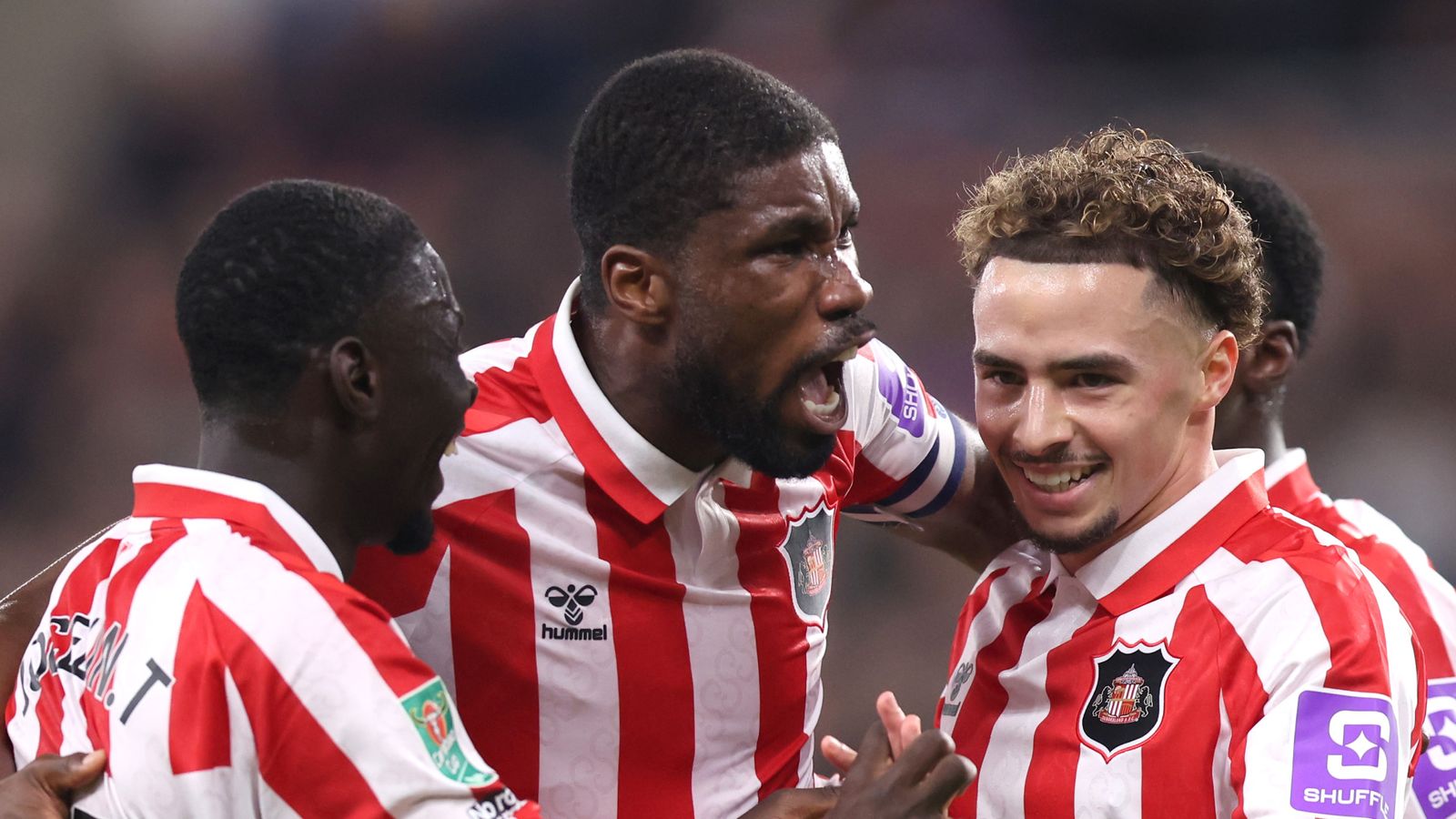
During Coventry City's Premier League clash against Sunderland, footage emerged on social media showing a spectator brandishing a photograph of Bradley Lowery to mock visiting supporters. The clip went viral within minutes. It triggered immediate revulsion across the sport, and for very good reason.
Bradley was only six years old when neuroblastoma took his life, ending a battle that moved fans across the country. Taking an image of a deceased six-year-old and waving it as terrace ammunition is pathetic. It is not banter. It is cheap, desperate malice.
As Mirror Football reported on Sunday morning, the incident quickly drew a response from Bradley's mother, Gemma Lowery. What followed was a masterclass in human dignity meeting bottom-tier terrace behaviour. Her response exposed the incident for what it was: an ugly, hollow bid for notoriety.
This was not a split-second misjudgment or a clumsy chant in the heat of a derby. Someone planned this. Someone chose to carry that picture into the ground, waiting for an opportunity to parade it before away supporters.
Modern football grounds have an escalating problem with online shock culture bleeding onto matchday terraces. People watch content creators chase outrage on mobile screens, and some supporters believe real-life stands operate under the same rules. They crave attention, even when that attention is pure disgust.
The depressing reality is that this was not an isolated incident. Gemma noted in her remarks that she has been forced to call out similar behaviour in the past. When grieving relatives must repeatedly ask adults not to mock dead children at football grounds, terrace culture has a glaring blind spot.
A Mother's Response Exposes the Emptiness of the Gesture
Most people in Gemma Lowery's position would have reacted with sheer fury, and nobody would have blamed her. Instead, she responded with extraordinary moral weight. In an emotional statement released through the foundation, she reminded everyone who Bradley was before he ever became a symbol.
"My beautiful boy deserves to be remembered with love, not hate."
Her words stripped away all the posturing of terrace rivalry. The photograph held up in the stands was actually one of Gemma's personal favourites of her son. It captured Bradley smiling brightly on a rare good day between grueling rounds of cancer treatment.
Seeing that specific image turned into an insult made her heart hurt, yet she refused to demand retribution. Instead of asking supporters to target the offender, she pleaded for the opposite. She explicitly asked people not to direct hatred toward the young lad, urging his family to help him learn.
That level of generosity is rare in modern football discourse. The Lowerys are dedicated match-goers who follow Sunderland home and away. They know authentic terrace humor as well as anyone on the road.
"We are a football-loving family who follow Sunderland home and away. I’m all for football banter, but surely mocking a child who died from cancer is not banter?"
Her question cuts right to the heart of the matter. Real banter requires wit and shared understanding between rivals. Mocking a dead child is just cruelty disguised as bravado, delivered by someone hiding in a crowd.
Gemma made sure the narrative did not stall on bitterness. She pointed directly to the work that Bradley’s memory continues to fund. Bradley died in July 2017, but the Bradley Lowery Foundation has saved lives, supported hundreds of families, and created Super Brad's Pad to give sick children a haven away from hospital wards.
That is where real strength lives. An idiot waving a photo in a stand cannot erase the fact that Bradley's legacy provides practical help to families going through hell. The gesture looked smaller with every word Gemma wrote.
The Connection That Defied Tribal Divisions
To understand why this taunt provoked such immediate outrage, you have to remember what Bradley represented to the sport. He was diagnosed with neuroblastoma when he was just 18 months old. For years, his family fought a relentless battle against the illness.
His story captured national attention when he stepped onto the pitch as a Sunderland mascot against Everton. That match introduced Bradley to Jermain Defoe, then the Sunderland captain. What started as a standard club appearance turned into one of the most genuine friendships football has ever seen.
Defoe did not treat the mascot role as routine club PR. He visited Bradley in hospital, sat at his bedside, and formed a bond that ran deeper than football allegiances. Gemma later recalled how Bradley would jump into bed and fall asleep cuddling Defoe, finding comfort with someone from a completely different background.
Defoe spoke about that bond in 2023, saying that Bradley would stay in his heart for the rest of his life and that not a single day passes where he does not think of him. That genuine connection resonated far beyond the Stadium of Light.
When Bradley died, thousands lined the streets of Blackhall Colliery in County Durham for his funeral. Supporters from rival clubs across the country turned up side by side, wearing football shirts of every colour. Balloons decorated the route to the church, and tributes covered the Stadium of Light.
The campaign carried a simple motto: Cancer has no colours. It was a clear reminder that tribal rivalries look completely trivial when measured against childhood cancer. That solidarity was a high-water mark for supporter culture.
That history is what made Saturday's display so infuriating to genuine supporters. Bradley Lowery was never just a Sunderland mascot. He became a symbol of unity in a sport that often struggles to find any common ground at all.
The Fanbase Response and the Limits of Club Statements
The official institutional response arrived quickly enough. In an official statement published by Coventry City, the club confirmed it was aware of the footage circulating online, emphasized that it does not tolerate offensive behaviour, and promised to liaise with the relevant authorities to decide the next steps.
It was standard corporate messaging. Necessary, predictable, and careful. But club statements rarely fix terrace culture on their own, and supporters know it. Real pushback against this kind of behaviour has to come from the people standing on the terraces themselves.
Coventry fans understood that immediately. Rather than circling the wagons or defending the indefensible on social media, Coventry supporters responded in droves by donating to the Bradley Lowery Foundation. They flooded donation pages with messages of support and solidarity for the Lowery family.
That reaction speaks louder than any generic press release drafted by a legal department. It proved that the individual in the clip did not speak for the thousands who support Coventry home and away. It showed genuine embarrassment and an immediate desire to right a wrong.
Yet football still needs to confront its own operational sluggishness when dealing with these moments. Supporters are tired of seeing clubs hide behind lengthy internal reviews while obvious misconduct plays out on high-definition video feeds. There are key questions the game needs to answer moving forward:
- How swiftly Coventry City and the police act to identify the individual and enforce a real ban.
- Whether ground security teams review how spectators bring offensive props and printouts past turnstiles.
- How effectively supporters continue to drown out terrace toxicity by directing money and awareness toward the foundation.
A few isolated idiots will always seek five seconds of internet notoriety by pushing boundaries. The only way to stop them is clear: swift consequences from the club, zero protection from fellow supporters, and a total refusal to let hatred hijack what Bradley Lowery stood for.
Gemma Lowery said it best when she asked for Bradley to be remembered with love rather than hate. Coventry fans proved that message was heard loud and clear. Decency won out over malice, and that is the only outcome that matters.
Read Next
- Oliver Glasner is out of patience and Nottingham Forest are out of time
- Bournemouth roll on with six straight shutouts as Leeds unravel
- Brighton broke Manchester City by refusing to bow down
- Zion Suzuki lived the full goalkeeper experience in 90 chaotic minutes
- 🏟 EFL Championship 2025-26 — Promotion Race & Play-Off Final Hub