The boycott that could break the World Cup
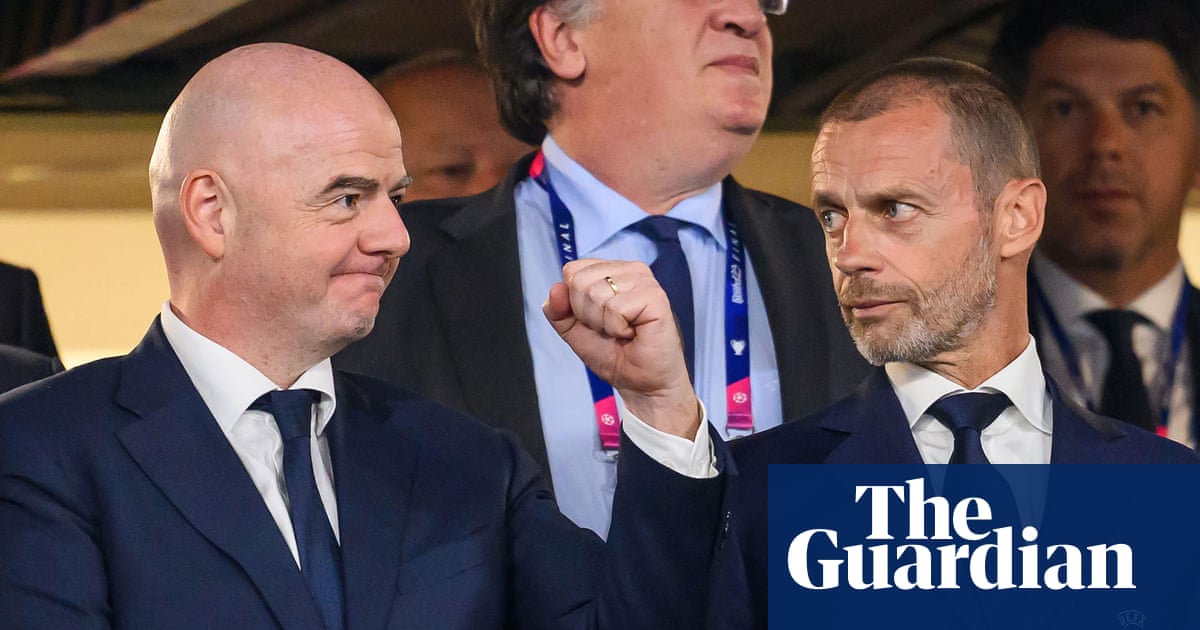
Nineteen national federations across Europe have officially signaled their intent to withdraw from the upcoming World Cup cycle. This movement, gaining momentum following recent reports by the Mirror, puts the hosting schedule in immediate jeopardy. The friction stems from deep-seated dissatisfaction with internal FIFA voting procedures and financial oversight.
UEFA members are spearheading this push. Multiple football associations are coordinating to withhold participation unless Gianni Infantino addresses the transparency demands surrounding the tournament's broader revenue distribution. This represents a singular moment of friction in modern sport, pushing the governing body to its breaking point.
Timeline of the diplomatic breakdown
The fracture point arrived early Monday morning. After a marathon session in Nyon, the executive committees of the defecting nations reached a consensus to draft a formal letter of intent to vacate their qualifying spots if specific reforms are not implemented by October. This is not a sudden reaction but the culmination of eighteen months of failed back-channel negotiations.
Historically, FIFA has navigated various corruption allegations with relative insulation. The 2015 U.S. Department of Justice indictments triggered systemic changes, yet the current wave is distinct. It is not an external investigation driving this pressure; it is the internal coalition of some of the world's most profitable federations demanding a change in leadership.
The strategic fallout for global football
If these nineteen nations execute the walkout, the commercial value of the tournament collapses. Without the primary European broadcast market and the historically high-selling national team kits, sponsors are facing a 40 percent drop in projected ROI. Advertisers are already beginning to draft force majeure clauses for their existing television contracts.
The current leadership’s strategy remains unclear. Silence from the Zurich headquarters has only emboldened the federations. By refusing to engage directly with the public criticism, Infantino is creating a power vacuum. This approach is prone to backfire, as federations are more likely to harden their stances when presented with a lack of professional accountability.
Historical context and the stakes
There is no recent precedent for a mass walkout of this scale. In the 1950s, political boycotts hit various international games, but never was there an orchestrated financial strike by high-ranking member associations. This is a battle over the soul of the organization’s bank account, not a political protest.
The negative impact is already felt at the administrative level. Development programs, which rely on FIFA grants, are currently frozen. If the threat is carried through, the impact on youth coaching and grassroots infrastructure will be permanent. Amateur programs, specifically those in lower-tier member states, will suffer first as funds stop flowing from the top.
Who wins in the standoff?
The industry is split on whether a true collapse is possible. Some analysts suggest this is merely a leverage play to force a redistributive model of the prize money. However, if the boycott persists, we are looking at a 30-year high in governance volatility. The uncertainty is already forcing agents to adjust contract terms for players reliant on appearance bonuses.
The lack of a contingency plan from FIFA is the fundamental flaw here. When the governing body fails to read the room, the federations stop playing the game. We are watching a slow-motion collision between the old guard of administration and the modern commercial reality of global football. Expect the next 72 hours to define the sport for the next decade.
Read Next
- Infantino is betting the soul of international football on private equity
- Gianni Infantino's private cash grab is about to split European football in half
- FIFA's private equity gamble is about to hit European resistance
- Gianni Infantino is trying to sell the World Cup like a used sedan
- 🏆 World Cup 2026 — Full Coverage Hub